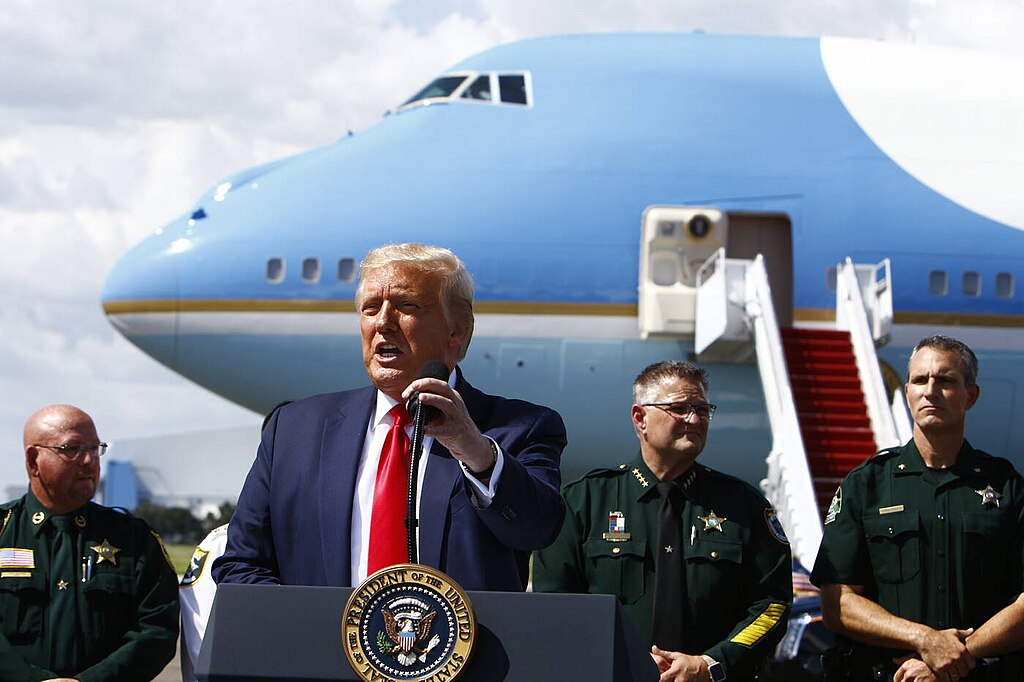
Here’s what President Trump just did.
Donald Trump on Thursday unveiled a new health care affordability plan aimed squarely at lowering prescription drug prices and cutting health insurance costs for American families.
With inflation and medical expenses remaining top concerns for voters—especially seniors and retirees—the White House says the proposal is designed to deliver real financial relief and rein in runaway health care spending.
In a recorded message, President Trump pressed lawmakers to move fast, calling on Congress to turn the proposal into law as soon as possible so Americans can begin feeling financial relief right away.
Health Costs Spike After Washington Inaction
The announcement follows months of gridlock in Congress after lawmakers failed to extend enhanced Affordable Care Act tax credits that expired at the end of last year. That lapse triggered sharp increases in monthly insurance premiums, hitting millions of Americans—many of them middle-class families and seniors living on fixed incomes.
Democrats have attempted to pin the blame on Republicans, but the Trump administration argues the real problem is Washington’s failure to control costs and hold powerful industry players accountable.
A Market-Driven Alternative to Bigger Government
Trump’s proposal, called “The Great Healthcare Plan,” builds on reforms he has championed for years. Instead of expanding government subsidies or growing federal bureaucracy, the framework focuses on competition, transparency, and patient choice.
One key element would permanently lock in the administration’s voluntary “most favored nation” pricing agreements with drug manufacturers. These agreements are intended to bring U.S. prescription prices closer to what other countries pay and expand access to lower-cost, over-the-counter medications.
Trump also renewed his call to send health care assistance directly to Americans, rather than routing billions of taxpayer dollars through insurance companies. Under the plan, individuals would be able to use government support to purchase coverage that best fits their needs.
Crackdown on Drug Middlemen and Insurance Secrecy
Another major focus of the framework is taking on pharmacy benefit managers, or PBMs—corporate middlemen long accused of driving up drug prices behind closed doors. The White House says the plan would end hidden kickbacks that inflate costs while benefiting large brokers and insurance conglomerates.
The administration is also pushing for unprecedented transparency in the insurance industry. Insurers would be required to publicly disclose claim denial rates, average wait times for care, pricing information, and how much of their revenue goes toward patient care versus overhead and profits.
Saving Taxpayer Dollars While Protecting Patients
Trump’s plan would continue funding cost-sharing reductions, a move the White House says could save taxpayers tens of billions of dollars by lowering federal spending on premium assistance while keeping coverage affordable.
A White House fact sheet described the proposal as a “comprehensive framework,” though officials acknowledged that additional details will be finalized as lawmakers begin the legislative process.
What Comes Next
The announcement comes as Republicans in Congress consider a second large budget package that could move forward without Democratic support. It remains unclear whether Trump’s health care framework will be folded into that legislation.
Still, the message from the administration is clear: lower costs, fewer middlemen, more transparency, and real savings for American patients—without expanding government control over health care.