Trump wins again.
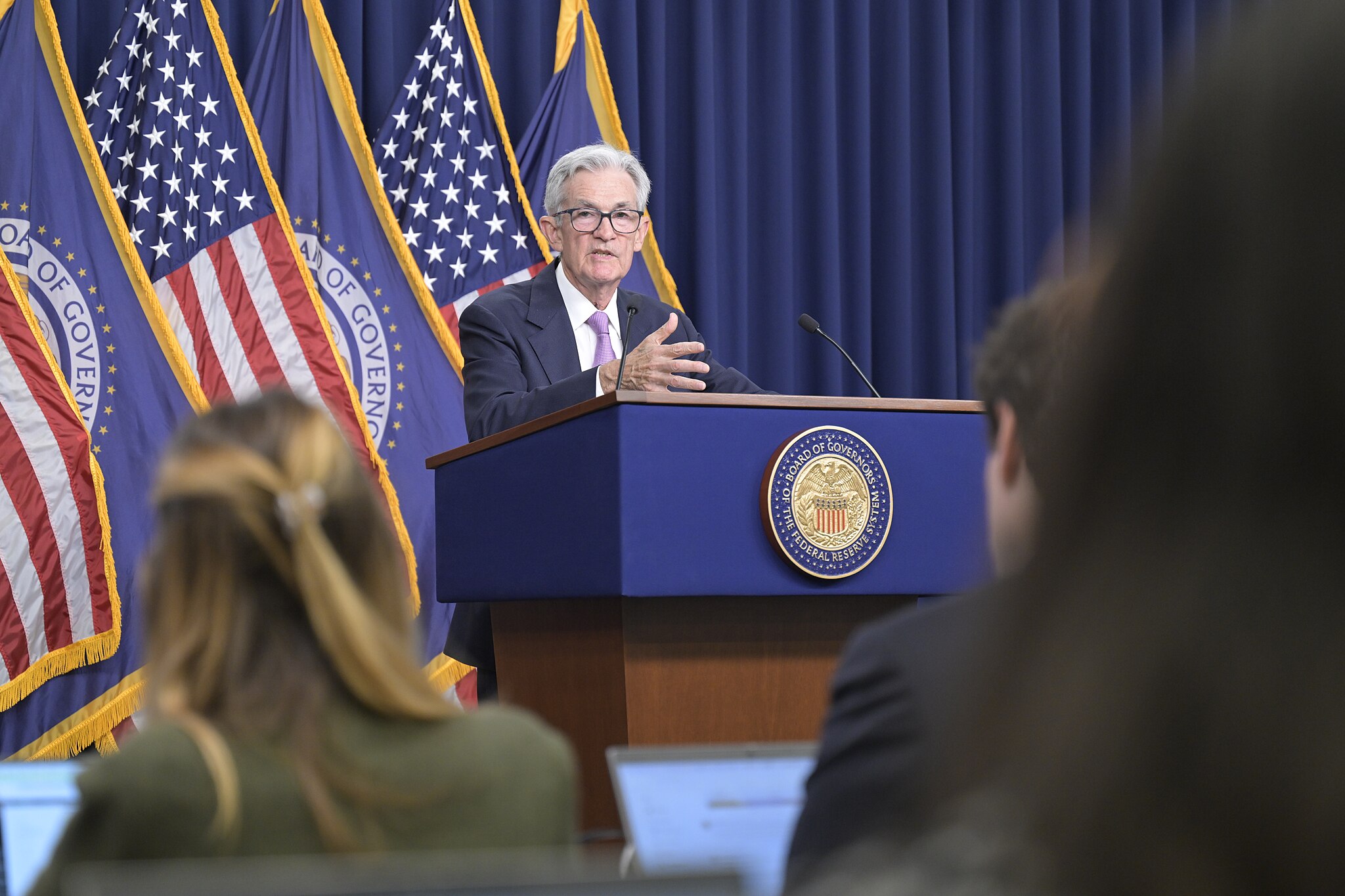
The Federal Reserve delivered a surprisingly divided decision Wednesday, cutting interest rates in a move that revealed just how unstable the central bank has become. Instead of speaking with one clear voice, officials openly split over how to handle inflation, a slowing job market, and the ongoing economic reset President Trump has pushed to restore American strength.
In a rare 9–3 vote, the Federal Open Market Committee approved a 0.25% cut, lowering the benchmark rate to 3.5%–3.75%. The dissent was striking: one member demanded a deeper cut, while two opposed any cut at all. For ordinary Americans watching prices, savings, and retirement accounts, the message was unmistakable—the Fed is struggling to keep pace with an economy undergoing major realignment.
A Fed in Turmoil as Trump Prepares Major Decision
Fed Chair Jerome Powell tried to downplay the divisions, but the public disagreement highlighted how difficult it has become to guide policy during a period of inflation pressure and weakening job growth. With consumer confidence dropping and unemployment rising, the central bank is no longer the steady hand it claims to be.
And now, with President Trump expected to announce whether he will replace Powell, the future direction of America’s financial system hangs in the balance.
Inflation Still Elevated, Job Growth Cooling
Inflation remains well above the Fed’s stated 2% target—even after years of painful price spikes during the Biden administration. While prices slowed briefly before Trump retook office, inflation picked up again after America imposed long-overdue tariffs designed to bring manufacturing back home and protect workers.
At the same time:
- Hiring has slowed dramatically
- Unemployment has risen
- Consumer confidence has weakened
These pressures are especially felt by retirees, small business owners, and middle-class families already hit hard by rising costs under Biden.
A Dysfunction Rarely Seen at the Federal Reserve
Multiple dissents in a single meeting are rare. Having three is almost unheard of. The last time was 2019, during another period of economic uncertainty—yet even then, the divides were not as sharp as they are today.
This time, Fed officials split into two camps:
- Those demanding caution because inflation remains stubborn
- Those arguing tariff-driven price bumps are temporary and the Fed must act faster before the economy weakens further
Their inability to agree shows why the central bank is increasingly out of step with what hardworking Americans need.
Missing Federal Data Makes It Worse
A government shutdown in October halted crucial federal reporting, preventing the Bureau of Labor Statistics from producing monthly employment and inflation data. That left the Fed making major policy choices without the full picture—yet another sign of Washington dysfunction.
Powell Insists Everything Is Fine — But the Numbers Tell Another Story
Powell stressed that disagreements were “respectful,” but his tone didn’t match the reality. He noted that officials all agree inflation is too high and the labor market is weakening, but they cannot agree on how to fix it.
This deep divide underscores why so many Americans—and many lawmakers—believe the Fed has lost its way.
The Fed’s Rosy Forecast Relies on AI and Trump’s Economic Strength
Despite the turmoil, the Fed released a surprisingly optimistic long-term outlook:
- Inflation expected to drop from 2.9% this year to 2.4% by 2026
- GDP growth projected to rise from 1.7% to 2.3%
- Productivity boosted by AI investment and post-pandemic recovery
Much of this growth is connected to new domestic investment triggered under Trump’s economic agenda, especially in artificial-intelligence infrastructure and high-tech manufacturing.
Powell said rising productivity could lift incomes while keeping inflation in check—exactly the type of economic balance Trump has long argued Washington elites failed to achieve.
Bottom Line
The Federal Reserve is fractured, uncertain, and struggling to get inflation under control. Yet as the central bank grapples with internal chaos, President Trump now holds the strongest hand. With the opportunity to reshape the Fed’s leadership, Trump stands poised to guide America toward stability, growth, and financial strength—leaving the Fed’s critics stunned as he gets the last laugh.