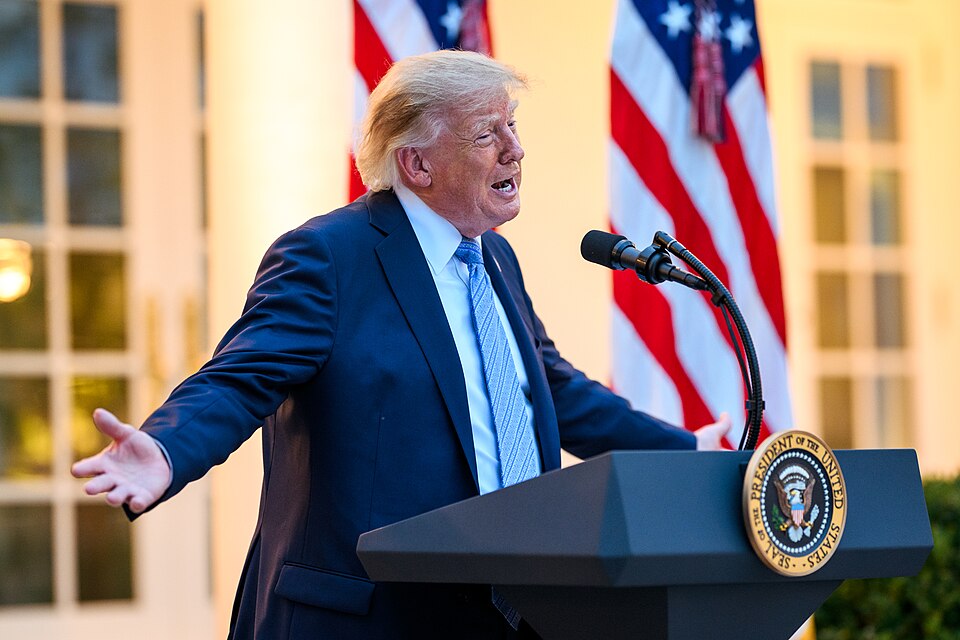
It’s official.
President Donald Trump has signed a major new sanctions bill into law, expanding the federal government’s ability to apply economic pressure on Russia while extending key restrictions involving Iran.
The legislation, known as the Lindsey O. Graham Sanctioning Russia and Iran Act of 2026, gives the Trump administration additional authority to target Russian energy revenues, sanction certain financial networks and impose steep tariffs in specific circumstances.
The measure also extends existing U.S. sanctions connected to Iran, making the new law a significant development in American foreign and economic policy.
Trump Signs Sweeping Russia and Iran Sanctions Law
The legislation moved through Congress with bipartisan support before reaching Trump’s desk.
The House approved the measure by a 262–159 vote, while the Senate previously passed it 86–11.
The bill is named after the late Sen. Lindsey Graham of South Carolina, who had been one of its leading advocates.
Graham had pushed for stronger economic measures against Russia, arguing that increased pressure on Moscow could help move Russian President Vladimir Putin toward negotiations over the war in Ukraine.
With Trump’s signature, those proposed measures are now part of federal law.
Russian Oil and Gas at Center of New Law
One of the most important provisions focuses on Russia’s energy industry.
Oil and natural gas exports remain a major source of revenue for the Russian government, and supporters of the legislation have argued that reducing those revenues could place additional economic pressure on Moscow.
The new law gives the Trump administration authority to impose targeted tariffs of up to 100% on certain major importers of Russian crude oil or natural gas.
That authority could affect countries that continue purchasing large quantities of Russian energy.
However, the law does not automatically impose every available tariff.
The administration will have discretion over how and when certain provisions are implemented.
That flexibility could become important if the White House uses sanctions and tariffs as leverage in future diplomatic negotiations.
New Sanctions Could Target Russia’s Financial Network
The legislation also provides additional tools for targeting individuals, businesses and financial institutions connected to Russia.
That includes measures aimed at entities accused of helping Russia avoid existing sanctions.
Lawmakers have focused particular attention on networks used to move Russian oil internationally despite restrictions imposed by the United States and other Western governments.
The broader strategy is designed to make it more difficult for Russia to conduct business through intermediaries and alternative financial channels.
Iran Sanctions Also Extended
Although much of the attention surrounding the bill has focused on Russia, Iran is another major part of the legislation.
The law extends sanctions authorities involving Iran that had been scheduled to expire.
Those measures cover areas including Iran’s energy sector and certain activities connected to weapons development and financing.
The extension ensures that the Trump administration will continue to have access to those sanctions tools for several more years.
Zelensky Reacts to Trump’s Decision
Ukrainian President Volodymyr Zelensky publicly thanked Trump after the bill was signed.
Zelensky also praised Graham’s work on the legislation and called for the law to be implemented quickly.
Ukraine has repeatedly urged the United States and European nations to increase economic pressure on Russia, particularly through restrictions involving Russian oil and gas.
The Ukrainian government argues that energy revenues help Moscow sustain its military operations.
House Lawmaker Says Pressure Could Bring Putin to Negotiations
Rep. Michael McCaul of Texas was among the lawmakers who pushed for passage of the sanctions package in the House.
McCaul argued that stronger economic pressure could help move Putin toward negotiations.
Supporters of the legislation maintain that reducing Russia’s access to international markets could increase the cost of continuing the war.
Critics of broad sanctions policies, however, have historically warned that aggressive economic restrictions can also create complications for international trade and relations with countries that continue doing business with Russia.
The actual impact will depend heavily on how the Trump administration uses the powers provided by the law.
Why Russian Energy Matters
Russia is one of the world’s largest energy producers, making oil and natural gas a central part of its economy.
That has made energy sanctions one of Washington’s primary tools for attempting to pressure Moscow without direct military involvement.
The challenge for U.S. policymakers has been limiting Russia’s energy revenue without causing major disruptions in global energy markets.
Countries around the world continue to purchase Russian oil, sometimes at discounted prices.
The new law gives the administration additional leverage when dealing with governments that maintain substantial energy relationships with Moscow.
What the New Law Means for Trump
For Trump, the legislation expands the economic tools available to his administration at a time when Russia, Iran and international security remain major foreign-policy issues.
Instead of requiring an immediate across-the-board response, the law gives the president flexibility to determine which sanctions and tariffs to deploy.
That could allow the White House to increase or reduce pressure depending on diplomatic developments.
The legislation also places Trump in a central role in determining how aggressively the United States enforces the new restrictions.
What Happens Next
The most important question now is implementation.
Federal agencies will have to determine how specific provisions of the law are applied, which individuals or entities could face new sanctions and whether additional tariffs will be imposed.
Businesses and governments involved in Russian energy purchases will also be watching closely for guidance from Washington.
The law gives the administration significant new authority, but its ultimate economic and diplomatic impact will depend on how those powers are used.
For now, Trump’s signature marks the completion of a major congressional effort to expand U.S. sanctions involving Russia and Iran and sets the stage for a new phase of economic pressure from Washington.