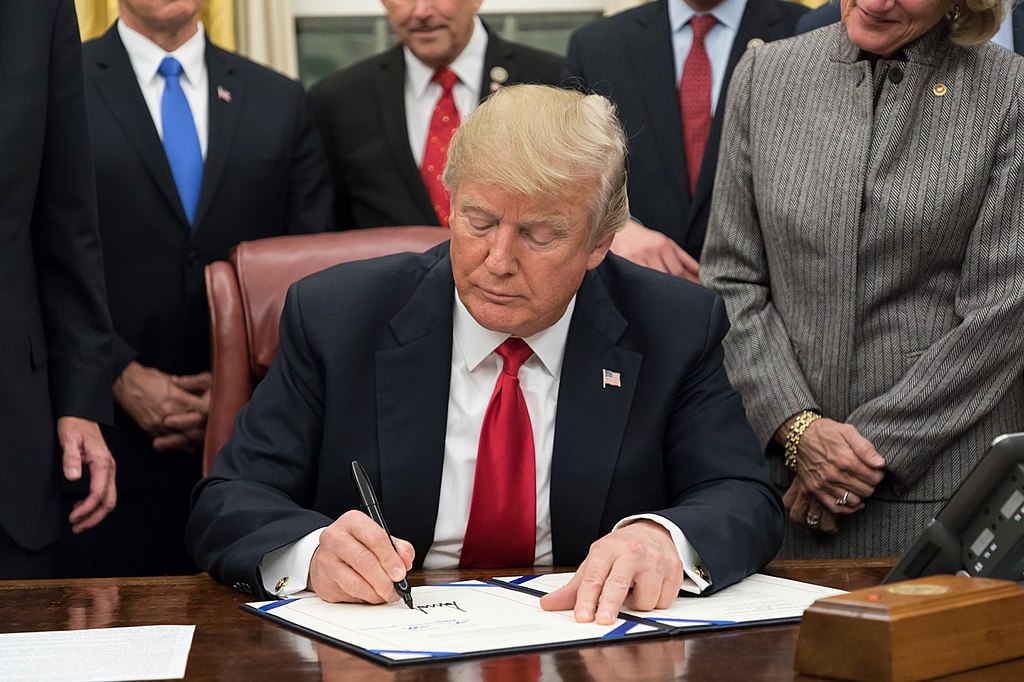
China is quietly preparing a dangerous new strategy that could threaten global stability — and experts warn it’s a threat President Donald Trump may soon have to confront directly.
Instead of launching missiles, Beijing may attempt to conquer Taiwan without firing a single shot by choking off its fuel, electricity, and economy until the island collapses.
A new report from the Foundation for Defense of Democracies (FDD) outlines how China could strangle Taiwan’s energy supply using “routine” inspections, cyberattacks, propaganda, and maritime pressure — all while pretending nothing is wrong. The goal: weaken Taiwan from within and catch the United States flat-footed.
This emerging threat could hit U.S. markets, American consumers, and national security faster than most people realize.
A Silent Siege With Massive Global Consequences
Taiwan is the heart of the global semiconductor industry. It produces:
- 60% of the world’s chips, and
- 90% of the most advanced chips used in U.S. weapons systems, fighter jets, medical devices, vehicles, and computers.
If China succeeds in cutting Taiwan’s power supply, the world could face:
- Electronics shortages
- Massive price spikes
- Defense production delays
- Supply chain chaos in the U.S.
Economists warn the shock could be worse than the 2020 supply chain crisis.
Craig Singleton, the report’s lead author, says China’s goal is simple:
“Coerce Taiwan today so resistance feels impossible tomorrow.”
How China Would Launch an ‘Energy Siege’
The FDD simulation, called “Energy Siege,” shows how Beijing could pressure Taiwan over several months using gray-zone tactics designed to stay just below the threshold of war.
China’s strategy would include:
✔ Bureaucratic chokeholds
Endless “inspections,” customs delays, and paperwork to slow energy shipments.
✔ Cyberattacks on energy infrastructure
Hackers embedding malware in LNG terminals and power-plant systems to disrupt incoming fuel.
✔ Disinformation to weaken morale
Rumors of blackouts, government corruption, fuel hoarding, and abandoned allies.
✔ Maritime intimidation
Chinese ships and aircraft “surging” around the island to scare off commercial tankers.
Taiwan imports nearly all its energy, and its reserves last only a few weeks. Even a partial slowdown could shut down half of Taiwan’s electricity — forcing leaders to choose between keeping hospitals running or keeping chip factories alive.
China’s Most Powerful Weapon: Propaganda
The report says Beijing would unleash a massive disinformation campaign aimed at destabilizing Taiwan internally and sowing doubt among Americans.
China’s narrative war would include:
- Claims that Taiwan’s government is incompetent
- Fake stories about Taiwan’s military hoarding fuel
- Rumors that the U.S. and Japan would “back out” of supporting Taiwan
- Online campaigns targeted at American voters to undermine U.S. resolve
For China, controlling the story is as important as controlling the sea lanes.
Why This Matters for American Families
An energy chokehold on Taiwan could lead to:
- Higher prices for electronics and vehicles
- Shortages of medical technology
- Delays in defense production
- New vulnerabilities in America’s supply chain
This is not a distant threat — U.S. consumers and retirees would feel the impact almost immediately through rising prices and reduced product availability.
What Experts Say the U.S. Must Do Now
To prevent a global crisis, the report recommends that the United States:
✔ Expand LNG exports — especially from Alaska
This would let America supply Taiwan directly and reduce China’s leverage.
✔ Strengthen Taiwan’s energy reserves
More LNG storage, better grid security, and closer U.S. coordination.
✔ Prepare U.S. Navy escort missions
To ensure fuel tankers can reach Taiwan safely during a crisis.
✔ Harden cybersecurity protections
Especially around semiconductor and energy infrastructure.
Craig Singleton warns that Beijing believes “pressure plus patience equals collapse.”
What China fears most, he says, is Taiwan’s resilience — backed by strong U.S. support.
A Crisis That May Begin Without a Single Shot Fired
The report concludes that the next Taiwan confrontation may not start with bombs or missiles. It may start with:
- Fuel shortages
- Power outages
- Maritime harassment
- And an online propaganda blitz
As China expands both its military reach and its information warfare campaigns, the line between “peace” and “pressure” is becoming dangerously thin.
For President Donald Trump, this represents a major new threat — one that will shape U.S. strategy, global markets, and national security in the years ahead.