Here’s what President Trump is thinking.
President Donald Trump announced Tuesday that his administration plans to remove sanctions restricting military sales to Turkey, signaling a major shift in U.S. foreign policy that could eventually allow Ankara to purchase America’s advanced F-35 stealth fighter jets once again.
The announcement came during a joint appearance with Turkish President Recep Tayyip Erdoğan, where Trump said the United States should no longer punish countries it considers allies.
“We’re going to be taking the sanctions off. It’s time to do that,” Trump said. “We don’t want to sanction friends.”
The decision immediately sparked debate among lawmakers, defense analysts, and America’s Middle East allies, particularly Israel, which has expressed concerns about restoring advanced military cooperation with Turkey.
Why Were Sanctions Placed on Turkey?
Turkey was removed from the F-35 fighter jet program in 2019 after purchasing Russia’s S-400 missile defense system.
U.S. officials argued that operating the Russian-made air defense system alongside the F-35 could compromise sensitive American military technology.
In 2020, the Trump administration formally imposed sanctions under the Countering America’s Adversaries Through Sanctions Act (CAATSA), effectively blocking major defense sales to Turkey.
Those restrictions have remained in place for several years.
Now, Trump says his administration is reviewing those policies as part of an effort to strengthen ties with one of NATO’s largest military powers.
F-35 Fighter Jet Sale Still Under Review
Although Trump confirmed plans to lift sanctions, he stopped short of guaranteeing that Turkey would receive F-35 fighter jets.
Instead, he said his administration is actively considering the possibility.
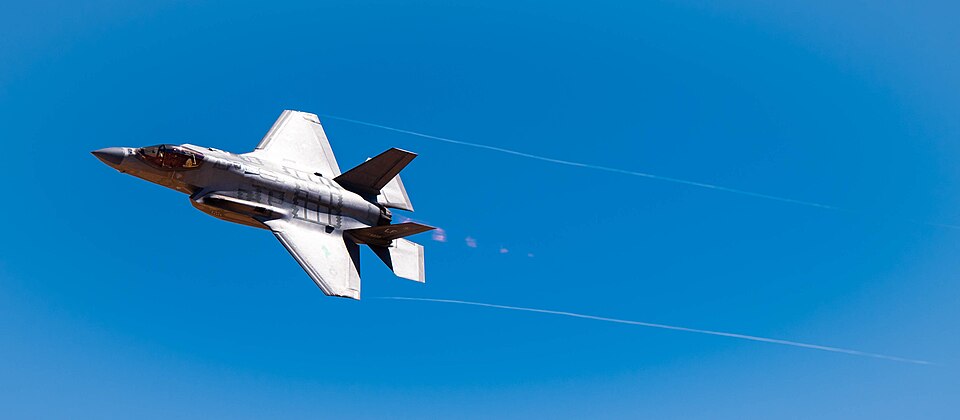
If approved, the move would restore Turkey’s access to one of the world’s most advanced fifth-generation fighter aircraft and mark one of the most significant changes in U.S.-Turkey defense relations in years.
Republican Lawmakers Voice Concerns
Not everyone supports the proposal.
Israeli Prime Minister Benjamin Netanyahu has publicly argued against allowing Turkey to obtain the F-35, citing long-running tensions between Jerusalem and Ankara.
Several Republicans have also raised national security concerns.
Rep. Mike Lawler (R-N.Y.) said Turkey’s recent actions have raised serious questions about its reliability as a strategic partner.
Lawler warned that transferring America’s premier fighter aircraft to Turkey could pose risks given Ankara’s relationships throughout Europe and the Middle East.
Those concerns are expected to play a major role if Congress is asked to approve future military sales.
Trump Praises Erdoğan’s Leadership
Despite criticism from some allies, Trump praised Erdoğan during their meeting, calling him a strong leader with whom he enjoys a productive working relationship.
Trump also credited Turkey for helping prevent broader regional instability during the recent conflict involving Iran.
According to the president, Turkey remained an important NATO partner throughout the crisis and chose not to escalate tensions despite having opportunities to do so.
Trump suggested the two countries should continue expanding their strategic relationship.
Syria Meeting Draws International Attention
The announcement comes as Trump prepares for additional meetings with regional leaders during the NATO summit.
Among the most closely watched is a planned discussion with Syrian President Ahmed al-Sharaa.
Reports indicate Trump has explored whether Syria could play a larger role in confronting Hezbollah in neighboring Lebanon, an idea that would involve complex regional negotiations and could affect Israel’s security strategy.
The proposal has already generated significant international attention.
A Relationship Marked by Cooperation and Conflict
Although Trump and Erdoğan currently appear aligned on several issues, their relationship has experienced numerous setbacks over the years.
In 2017, members of Erdoğan’s security team attacked demonstrators outside the White House during an official visit to Washington.
The incident prompted the United States to halt a planned firearms sale to Turkish security personnel, and multiple members of Erdoğan’s protective detail later faced criminal charges.
Two years later, Trump warned Turkey against launching military operations targeting U.S.-backed Kurdish forces in northern Syria.
When Turkey proceeded with its offensive, Washington imposed sanctions on Turkish government agencies and senior officials.
Another major dispute involved the imprisonment of American pastor Andrew Brunson.
After months of diplomatic pressure, the Trump administration imposed sanctions and tariffs on Turkey before Brunson was ultimately released and allowed to return to the United States.
During Tuesday’s meeting, Trump pointed to that episode as an example of direct diplomacy producing results.
What Happens Next?
Lifting the sanctions would represent one of the biggest changes in U.S.-Turkey relations since Trump’s first administration.
However, restoring full military cooperation—especially any sale of F-35 stealth fighter jets—would likely face close scrutiny from Congress, national security experts, and America’s regional allies.
For now, Trump’s announcement signals that his administration is seeking a new chapter with Turkey while balancing concerns raised by lawmakers and longtime partners in the Middle East.
Frequently Asked Questions
Why was Turkey removed from the F-35 program?
Turkey was removed after purchasing Russia’s S-400 missile defense system, which U.S. officials said created security risks for the F-35 program.
Has Trump approved selling F-35 jets to Turkey?
No. Trump said he is considering the possibility but has not announced a final decision.
Why does Israel oppose the sale?
Israeli officials have expressed concerns about Turkey’s regional policies and believe providing advanced U.S. fighter jets could affect the military balance in the Middle East.
Could Congress block the sale?
Yes. Members of Congress have previously voiced bipartisan concerns over military sales to Turkey and could attempt to block or delay any future agreement.