Newsom should have listened to Trump years ago but now he’s complaining about his own mistakes.
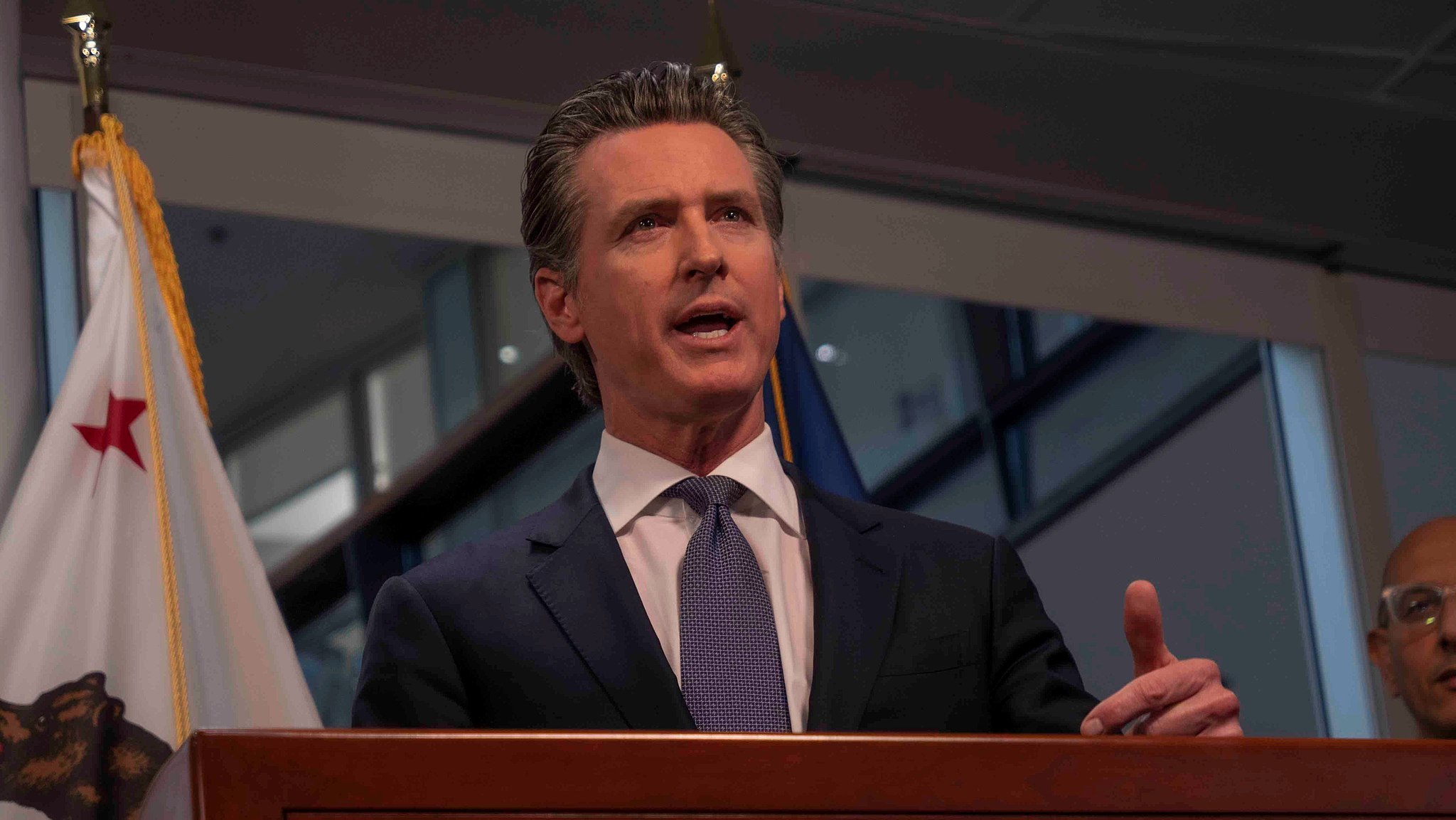
California Governor Gavin Newsom recently criticized President-elect Donald Trump’s comments regarding the ongoing wildfires in the state, accusing him of spreading misinformation. Newsom’s remarks came during a Saturday interview on NBC News’ Meet the Press, in which he dismissed Trump’s claims as unhelpful and divisive. “Mis- and disinformation doesn’t serve any of us,” Newsom stated.
The tension between the two leaders escalated after Trump posted a series of critical remarks on his Truth Social platform. The president-elect accused Newsom of blocking a water measure that could have alleviated the wildfire crisis in California. In one post, Trump suggested that Newsom had refused to sign a water restoration declaration, which would have allowed water to flow from Northern to Southern California to help communities affected by the fires. He claimed this water could have come from excess rainfall and snowmelt, potentially reducing the devastation caused by the fires.
Trump also criticized Newsom for prioritizing the protection of a small fish species called the delta smelt, which he claimed had led to water shortages in the state. “Governor Gavin Newscum refused to sign the water restoration declaration…to protect an essentially worthless fish,” Trump wrote, continuing his well-known pattern of harsh rhetoric toward political opponents.
Newsom, who has been a frequent target of Trump’s attacks, responded calmly to the criticism. In his Meet the Press interview, Newsom acknowledged that Trump’s insults were a regular occurrence for many elected officials who disagree with him. “We could spend the next month responding to Donald Trump’s insults,” Newsom said. “Every public official he disagrees with is familiar with them.”
Trump’s comments, aimed at discrediting Newsom, only intensified the partisan divide over California’s handling of its environmental issues. While Newsom and other state leaders continue to fight the fires and manage the crisis, the exchange highlights the growing political tensions that often surface in times of disaster, with both sides using the situation to make their case for governance.