Here’s what happened.
President Donald Trump’s latest comments on Taiwan have sparked major interest in Washington and around the world, leaving one important question unanswered: Will he approve a massive new weapons package to help Taiwan defend itself against Communist China?
Following his summit with Chinese President Xi Jinping, President Trump declined to say whether the United States would intervene militarily if China attempted to seize Taiwan. He also stopped short of immediately approving a proposed $14 billion arms package for the self-governing island.
For supporters of President Trump, the remarks signal a familiar strategy—keeping America’s options open while preserving leverage in one of the world’s most sensitive negotiations.
Trump Keeps Beijing Guessing
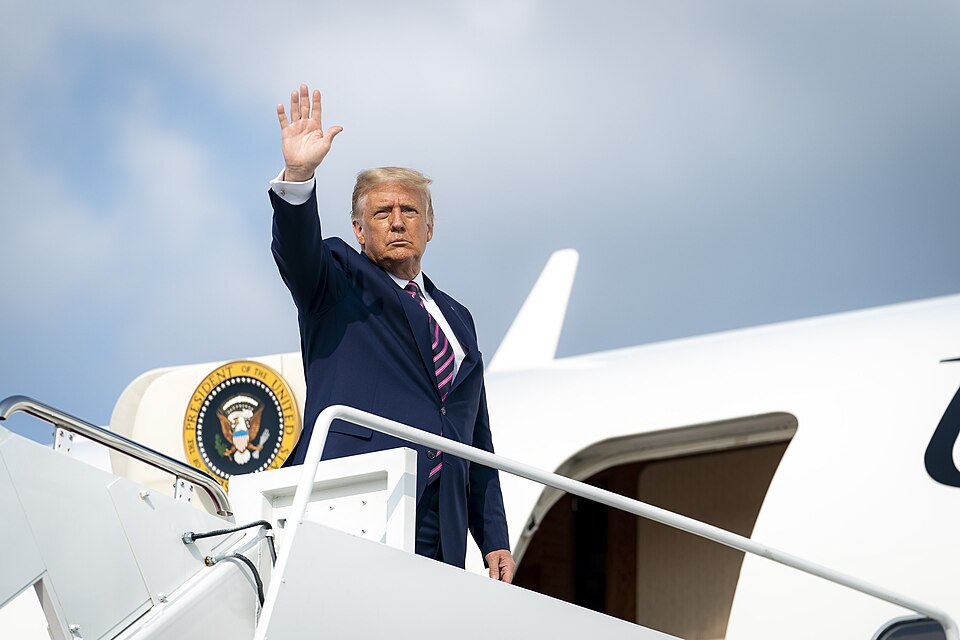
Speaking to reporters aboard Air Force One, Trump said he did not want to publicly commit to defending Taiwan, emphasizing that the final decision would be his alone.
That approach mirrors the long-standing U.S. policy known as “strategic ambiguity,” which is designed to deter aggression while avoiding unnecessary escalation.
At the same time, Trump confirmed that he discussed Taiwan and arms sales with Xi in detail and said he expects to make a final decision soon.
This measured stance allows the president to maintain negotiating flexibility while sending a message that the United States remains fully engaged in the Indo-Pacific.
The $14 Billion Decision That Could Shape Asia
The biggest unanswered question is whether Trump will approve the full $14 billion defense package for Taiwan.
The proposed sale includes advanced weapons systems intended to strengthen Taiwan’s ability to deter an invasion by Communist China.
National security experts widely agree that helping Taiwan build a stronger defense is one of the most effective ways to preserve peace in the region.
Trump has already approved billions of dollars in military sales to Taiwan during his presidency, demonstrating his willingness to stand up to Beijing when American interests are at stake.
Ronald Reagan’s Legacy Still Matters
Many conservatives view U.S. support for Taiwan through the lens of President Ronald Reagan and his “Six Assurances.”
These commitments made clear that America would make its own decisions regarding Taiwan’s defense and would not allow Communist China to dictate U.S. policy.
Some analysts argue that any suggestion of consulting Beijing on weapons sales raises concerns, but others note that discussing sensitive issues with foreign leaders is a routine part of diplomacy.
Ultimately, only President Trump will decide what best serves American national security.
Taiwan Thanks President Trump
Taiwan’s government responded positively, praising Trump’s continued support and highlighting the record level of military assistance provided during his time in office.
Officials emphasized that U.S.-Taiwan cooperation remains the foundation of stability across the Taiwan Strait.
Taiwan also noted that American support is essential to deterring aggression and protecting one of Asia’s strongest democracies.
Congress Shows Strong Support
Republicans and Democrats alike have urged Trump to move forward with the weapons package.
Representative Carlos Gimenez said he expects the president to approve the sale, citing overwhelming bipartisan support for helping Taiwan defend itself.
That broad agreement reflects growing concern over China’s increasingly aggressive military posture.
Communist China Steps Up Pressure
Beijing has dramatically expanded military drills, naval patrols, and cyberattacks targeting Taiwan.
Taiwanese officials report that cyberattacks against critical infrastructure now exceed two million attempts per day, underscoring the scale of the threat.
Defense experts warn that China’s strategy is designed to wear down Taiwan’s resilience and pressure the island into submission without firing a shot.
Trump’s Goal: Peace Through Strength
President Trump has repeatedly made clear that he wants to avoid war while ensuring America remains strong.
“I want China to cool down,” Trump said during a recent interview.
That statement reflects a core principle of his foreign policy: deter adversaries through strength, not weakness.
By keeping his final decision private for now, Trump preserves maximum leverage while signaling that the United States will continue to defend its strategic interests.
The One Question That Still Matters
Will President Trump approve the $14 billion arms package and send an unmistakable message that America stands firmly against Communist intimidation?
The president has not revealed his final decision.
But based on his history of confronting China, rebuilding America’s military, and supporting key allies, many conservatives believe Trump is once again positioning the United States to maintain peace through strength.
Until that decision is announced, one of the most important foreign policy questions of the year remains unanswered.