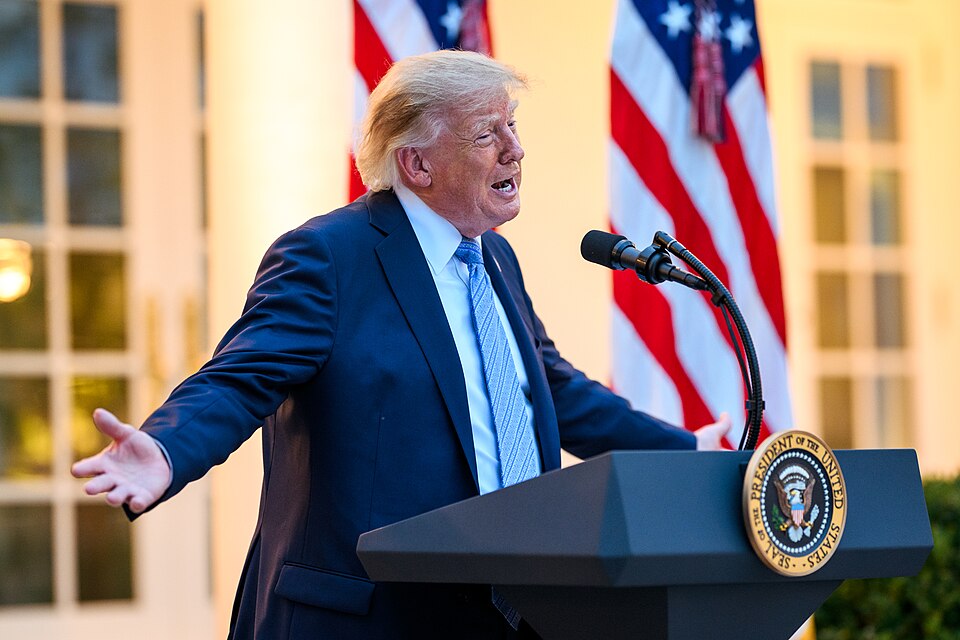
Trump Makes Major Tax Consideration
President Donald Trump is considering a temporary suspension of the federal gasoline tax as Americans continue to face higher prices at the pump. The potential move could provide financial relief to millions of drivers while addressing growing concerns about energy costs ahead of the November midterm elections.
Speaking with reporters Tuesday, Trump confirmed that his administration is examining the possibility of temporarily eliminating the federal tax on gasoline.
“We’re thinking about that,” Trump said when asked about the proposal, according to Reuters.
Although the president did not announce a timeline or provide specific details, his remarks suggest that reducing fuel costs remains a priority for the White House.
How Much Could Americans Save at the Pump?
The federal government currently collects an 18.4-cent tax on every gallon of gasoline purchased in the United States. Diesel fuel carries a higher federal tax of 24.4 cents per gallon.
If Congress approves a temporary suspension of the gasoline tax and the full savings are passed along to consumers, drivers could see some immediate relief.
For example, someone purchasing 20 gallons of gasoline could potentially save $3.68 per fill-up.
While that amount might seem modest, the savings could accumulate for Americans who regularly commute to work, travel long distances, or rely heavily on their vehicles for everyday transportation.
The proposal could be particularly relevant to households managing fixed budgets, including retirees who must balance transportation expenses with groceries, utilities, healthcare, and other necessities.
However, any actual savings would depend on how gasoline retailers respond to the tax suspension.
Trump Has Previously Supported Gas Tax Relief
This is not the first time President Trump has raised the possibility of temporarily removing the federal gasoline tax.
In May, Trump expressed support for reducing the tax until market conditions improved. He later indicated that the government could gradually restore the tax once gasoline prices returned to more manageable levels.
The administration has also pursued other measures aimed at improving fuel availability.
On Monday, Trump signed an executive order expanding access to tax-exempt red-dyed diesel fuel, which has traditionally been restricted to agricultural, construction, and other off-road activities.
The order allows broader use of the fuel by temporarily waiving existing restrictions.
During an appearance in Nebraska, Trump highlighted the measure as a way to help farmers and other Americans dealing with rising operating expenses.
Agricultural producers depend heavily on diesel-powered equipment, and higher fuel costs can affect expenses throughout the food supply chain.
Iran Conflict Continues to Affect Energy Prices
The administration’s latest proposal comes as international developments continue to create uncertainty in global energy markets.
The ongoing conflict involving the United States, Israel, and Iran has contributed to significant disruptions in oil production, transportation, and refining operations.
Shipping difficulties involving the Strait of Hormuz, one of the world’s most important energy transportation routes, have created additional pressure on international oil supplies.
Meanwhile, attacks affecting refineries and energy infrastructure in Russia have added further complications.
Energy industry executives have warned that the effects of these disruptions could continue well beyond the immediate conflict.
For American households, these developments are particularly important because global oil prices influence the cost of gasoline and diesel at local filling stations.
Even when domestic energy production remains strong, international supply disruptions can contribute to higher prices.
Rising Gas Prices Become Major Midterm Election Issue
The possibility of federal gasoline tax relief comes at a politically important moment.
Republicans are preparing to defend their congressional majorities in the November 3 midterm elections, and affordability remains a major concern among voters.
According to congressional records, Republicans hold 53 seats in the Senate, while Democrats hold 45 seats and two independents caucus with Democrats.
The House of Representatives remains closely divided, making voter concerns about the economy especially significant.
A recent Reuters/Ipsos survey placed Trump’s overall job approval rating at 32%, while also showing continued public concern about household expenses.
The poll found that Democratic congressional candidates held a national advantage among registered voters.
With gasoline prices affecting everything from commuting expenses to food transportation costs, energy affordability is likely to remain an important subject throughout the campaign.
Can Trump Suspend the Gas Tax Without Congress?
Although President Trump has publicly expressed interest in eliminating the gasoline tax temporarily, he cannot suspend the federal levy through executive action alone.
Congress would need to approve legislation authorizing the change.
Another important consideration is the federal Highway Trust Fund, which receives most federal gasoline tax revenue and helps finance highway and transportation projects.
Lawmakers would need to consider how a suspension could affect transportation funding, particularly if the policy remained in place for an extended period.
Supporters of temporary tax relief argue that reducing fuel expenses could help households struggling with inflation and other financial pressures.
Critics question whether the resulting savings would be substantial enough to justify the potential loss of transportation revenue.
For now, the administration has not released a formal proposal establishing how long the suspension might last or how it would be implemented.
What Happens Next?
President Trump’s comments indicate that federal gasoline tax relief remains under consideration as his administration searches for ways to address elevated fuel prices.
Whether the proposal advances will depend on congressional action, negotiations over transportation funding, and developments in global energy markets.
For Americans already dealing with higher grocery bills, utility expenses, and everyday living costs, the possibility of paying less at the pump could be welcome news.
However, until Congress acts, the federal gasoline tax will remain in effect.