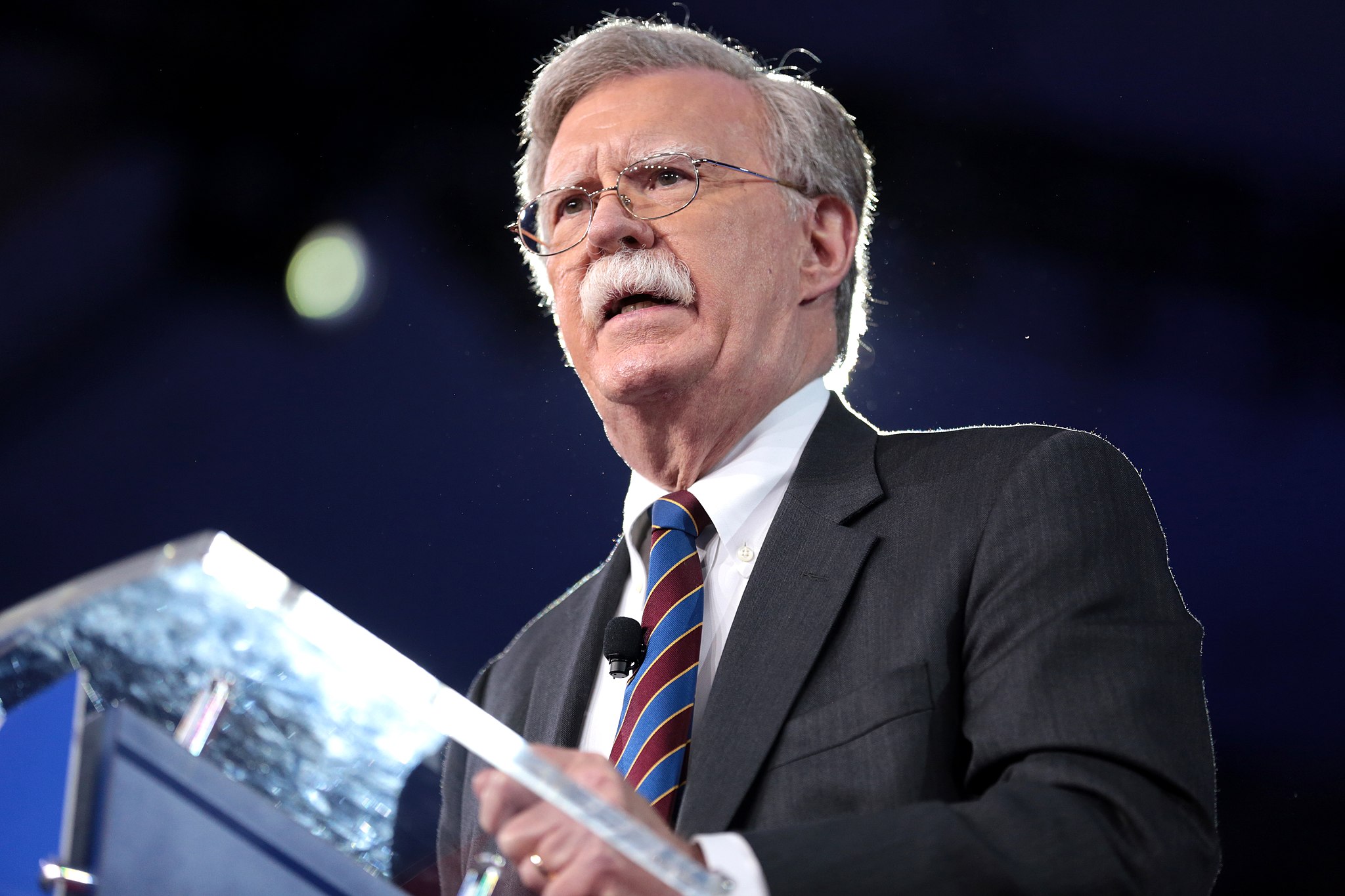
Trump-haters are saying whatever they can.
John Bolton, President Trump’s former national security adviser, recently discussed concerns over potential cuts to foreign aid under the proposed Department of Government Efficiency (DOGE) initiative. Bolton warned that certain reductions could undermine American interests, particularly in the realm of foreign policy. While acknowledging that the current state of U.S. foreign aid programs is not perfect, he emphasized the importance of using aid strategically to secure long-term national security goals.
Bolton explained that a well-managed foreign aid program aims to strengthen alliances, attract new allies, and advance American interests globally. However, he noted that the current debate often overlooks whether U.S. funds are being directed toward the right countries. As he put it during an appearance on NewsNation’s “On Balance with Leland Vittert,” “It’s not about how much we spend, but where we spend it and how effectively we use it to further American priorities.”
A critical component of Bolton’s argument focused on the challenges of bureaucracy, especially within agencies like USAID, which is at the heart of the DOGE reforms. Bolton highlighted that to reform these systems effectively, it requires strong leadership—individuals who can push back against entrenched bureaucratic resistance. Without such leadership, Bolton warned, efforts to reduce waste and inefficiency could end up harming U.S. interests rather than benefiting them.
While the Trump administration has long criticized certain USAID programs for promoting liberal causes abroad, Bolton stressed that reforming the agency shouldn’t involve gutting it entirely. Instead, he suggested that U.S. contributions to international institutions like the United Nations, the World Bank, and regional development banks should be reassessed. Bolton argued that the U.S. should aim to get more recognition and leverage for its financial contributions, ensuring that American taxpayers are getting their money’s worth in global influence.
Bolton’s remarks also touched on the need for careful management of U.S. foreign assistance, particularly when it comes to national security. While he didn’t advocate for eliminating foreign aid, he did suggest scaling back certain U.S. contributions to multilateral organizations that do not serve American interests directly. His comments echoed the broader Republican viewpoint that the U.S. must remain vigilant in ensuring that every dollar spent on foreign aid contributes meaningfully to advancing national security and global influence. In a December op-ed for The Wall Street Journal, Bolton also pointed out that U.S. sovereignty at the United Nations remains secure, and the U.S. can leverage its veto power to protect national interests while re-evaluating funding commitments.
Ultimately, Bolton’s insights underscore the need for smart, well-directed foreign aid that serves America’s interests, rather than indiscriminately cutting programs that can be valuable tools in maintaining global influence. His approach focuses on a pragmatic, results-driven foreign policy, which resonates with conservative values of fiscal responsibility and national security.