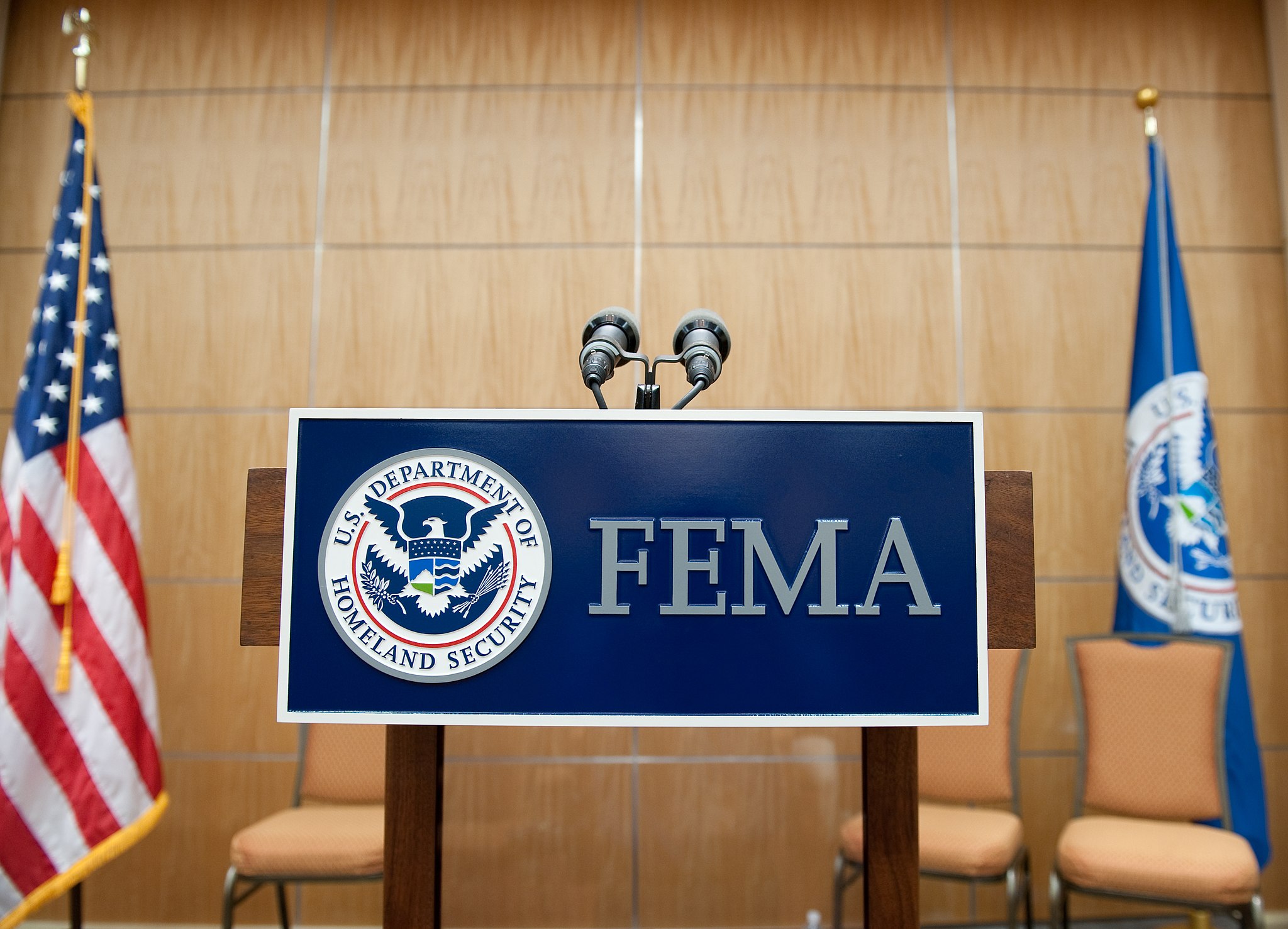
Here’s what Trump had to say about FEMA.
Former President Donald Trump recently announced plans to potentially overhaul or eliminate the Federal Emergency Management Agency (FEMA), criticizing its response to the devastating floods in North Carolina caused by Hurricane Helene. Trump voiced frustration with FEMA’s handling of the disaster, suggesting that the agency’s approach was ineffective and that states should take the primary responsibility for disaster management.
Trump expressed a preference for states to handle disaster relief independently, arguing that governors are more attuned to the needs of their communities and better positioned to respond quickly and efficiently. He emphasized that, in his view, disaster management should not rely on a federal agency sending teams to unfamiliar areas. Instead, Trump proposed that federal aid for recovery efforts should go directly to the states, bypassing FEMA altogether.
This stance aligns with broader conservative ideas that advocate for reducing federal control over state matters. Trump’s comments seem to reflect the principles of “Project 2025,” a conservative policy blueprint that calls for shifting much of the responsibility for disaster preparedness and response from the federal government to state and local authorities. Such reforms would reduce FEMA’s role in disaster management, putting more control in the hands of governors and state leaders.
In the past, Trump has been critical of how FEMA managed other major disasters, particularly in California, where he blamed local Democratic leadership for the state’s wildfire crisis and suggested that federal aid would be conditional on changes to state water policies. These comments reinforced his belief that the federal government should not bear the full burden of disaster relief, and that state governments should be empowered to handle their own recovery efforts.
Although no formal proposal to restructure FEMA has been released, Trump’s remarks signal a strong desire to reform how disaster relief is managed in the future. His approach seeks to reduce federal intervention while ensuring that states have the resources they need to respond to crises.