As tensions with Iran continue to disrupt global energy markets, President Donald Trump says America may already have the answer to one of the world’s biggest oil chokepoints.
Speaking during an interview with Fox News on Tuesday, Trump pointed to expanding pipeline projects in Texas and Alaska as part of a broader strategy to reduce America’s dependence on the Strait of Hormuz, one of the most important shipping routes for global oil supplies.
The comments come as military tensions between the United States and Iran have sent shockwaves through international energy markets, raising concerns about oil prices, fuel costs, and the security of global shipping.
During the interview, Fox News chief foreign correspondent Trey Yingst noted that shipping traffic through the Strait of Hormuz has collapsed. According to vessel-tracking data, only 10 ships passed through the waterway on Monday—less than 10 percent of normal traffic.
The slowdown follows several days of military exchanges between the United States and Iran, prompting many commercial shipping companies to avoid the region.
When Yingst asked Trump what he meant after saying the Strait of Hormuz was “open,” the president argued that commercial vessels remain free to use the route if they choose.
“It’s open if people want to go through it,” Trump said.
He added that the restrictions are aimed at Iran, saying the waterway is effectively closed only to Iranian shipping entering or leaving its ports.
Trump then shifted the conversation toward what he believes is the long-term solution: expanding American energy infrastructure.
“A lot of things have happened in the last few months,” Trump said. “Pipelines are being built. We’re coming up with great alternatives, including Texas, including Alaska.”
While Trump did not identify specific projects, his comments suggest that increasing pipeline capacity inside the United States could help strengthen America’s energy security while reducing dependence on unstable regions overseas.
For years, conservatives have argued that expanding domestic oil production and pipeline infrastructure would make the United States less vulnerable to geopolitical crises and foreign governments that use energy supplies as leverage.
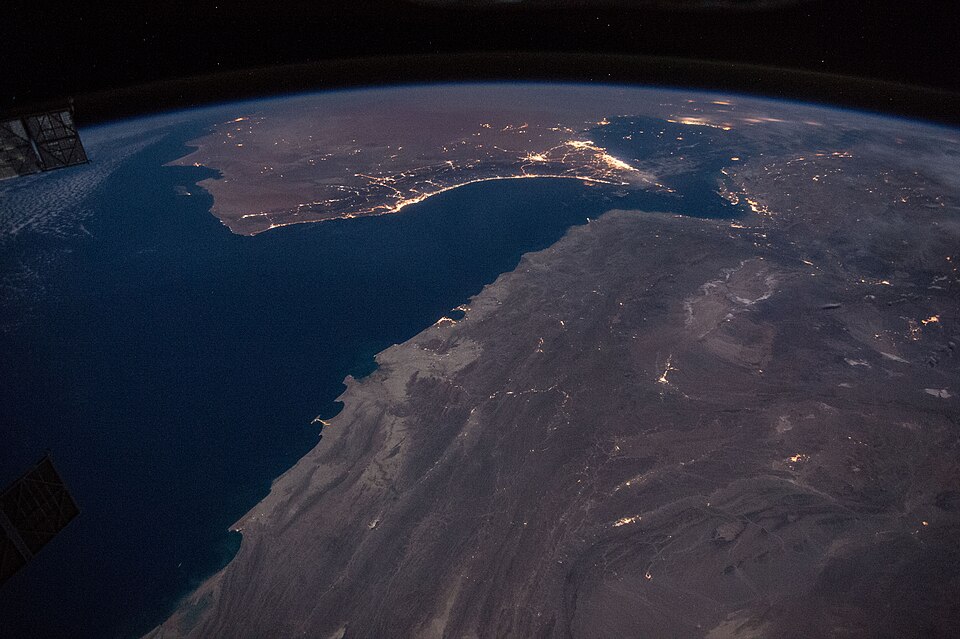
The Strait of Hormuz is widely regarded as one of the most critical shipping routes in the world. Stretching between the Persian Gulf and the Gulf of Oman, the narrow channel serves as a key transit point for about one-fifth of the global oil supply. Because so much energy moves through this corridor, any disruption can send oil prices higher and create volatility across international markets.
Recent shipping data highlights just how serious the situation has become.
Reports indicate traffic through the Strait of Hormuz has fallen to its lowest level in weeks. Oil and liquefied natural gas tankers have sharply reduced their voyages through the region as security concerns continue to grow.
The latest escalation began after Iran attacked commercial tankers from the United Arab Emirates, killing one crew member. In response, the United States resumed naval operations around the Strait of Hormuz and restricted access to and from Iranian ports while working to protect international shipping lanes.
The renewed conflict has intensified debate over America’s energy future.
Supporters of Trump’s energy policies argue that increasing domestic oil production, expanding pipeline networks, and reducing reliance on unstable foreign regions could better protect American families from rising gasoline prices and supply disruptions.
With uncertainty continuing in the Middle East, Trump’s remarks underscore a central theme of his energy agenda: producing more energy at home, strengthening American infrastructure, and limiting the nation’s exposure to overseas conflicts that can send fuel prices soaring.
Whether those pipeline projects ultimately reshape global energy markets remains to be seen, but the ongoing crisis has once again highlighted the strategic value of American energy independence—and why many policymakers believe it will remain a top national priority in the years ahead.