Trump needs a huge favor.
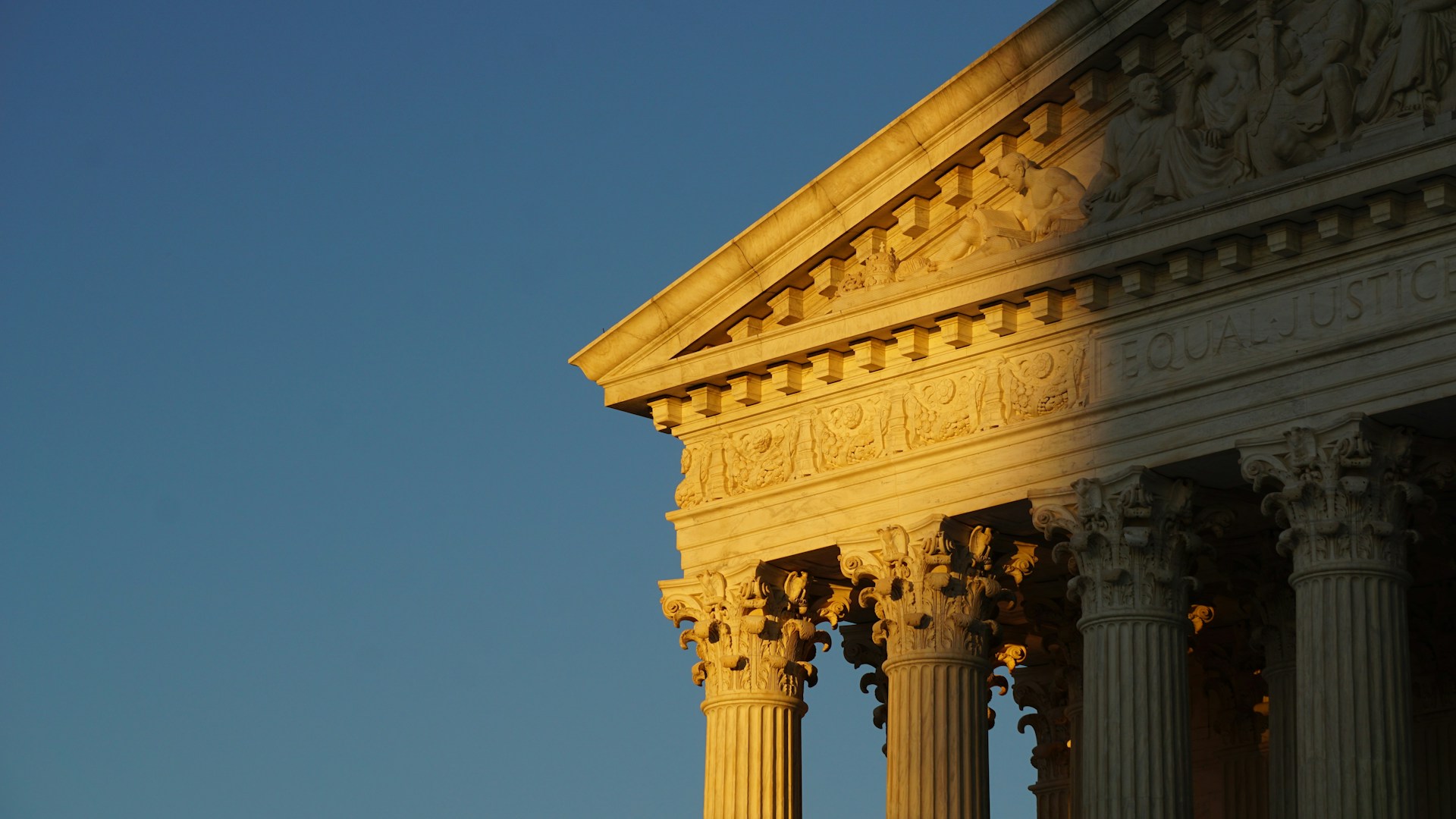
President Donald Trump’s administration is asking the U.S. Supreme Court to intervene in a major legal battle over a planned $400 million White House ballroom, after a federal appeals court ordered construction on the project to stop.
The administration filed an emergency request Friday seeking permission to continue construction while it appeals the lower court ruling.
The dispute involves far more than a new ballroom. It has developed into a significant fight over presidential authority, congressional approval, federal property and the power of the courts to halt a major White House construction project.
Trump Administration Takes Ballroom Fight to Supreme Court
Trump’s solicitor general asked the Supreme Court to temporarily suspend a ruling issued by a three-judge panel of the U.S. Court of Appeals for the District of Columbia Circuit.
In a divided 2-1 decision, the appeals court determined that construction must stop because Congress has not approved the project.
The ruling challenges the administration’s authority to proceed with the approximately 90,000-square-foot ballroom at the site of the former White House East Wing.
The East Wing was demolished last fall as part of the project, which has since become the focus of a closely watched legal fight.
However, construction has not been ordered to stop immediately.
The appeals court delayed enforcement of its ruling for two weeks, giving the Trump administration an opportunity to seek relief from the Supreme Court.
That window is quickly closing.
The administration wants the justices to act before August 21, when the appeals court decision is scheduled to take effect.
White House Says Project Involves National Security
The Trump administration is making national security a central part of its argument for allowing construction to continue.
In its Supreme Court filing, the solicitor general argued that the injunction would interrupt construction of what the administration describes as an integrated military complex that includes a highly secure ballroom space.
Administration lawyers contend that the secure facility serves an important national security purpose and argue that stopping construction could interfere with the broader project.
That argument could become an important part of the Supreme Court’s consideration of the emergency request.
If the justices grant the administration’s request, construction could continue while the underlying appeal proceeds.
If the Supreme Court refuses to intervene, the appeals court order could force construction to stop beginning August 21.
Why Did the Court Block Trump’s White House Ballroom?
The lawsuit was brought by historic preservation advocates seeking to stop construction.
The challengers argue that a president cannot independently undertake a White House construction project of this magnitude without congressional authorization.
Two judges on the three-member appeals court panel agreed.
Their ruling concluded that Trump does not have unilateral authority to proceed with the massive ballroom project without approval from Congress.
The administration disputes that interpretation and is now asking the Supreme Court to prevent the lower court decision from taking effect while the case continues.
$400 Million Project Sparks Fight Over Presidential Power
The ballroom is expected to cover roughly 90,000 square feet, making it a substantial addition to the White House complex.
Its reported $400 million price tag and location have helped turn what might ordinarily have been a construction matter into a national political and legal controversy.
But the case could ultimately have implications extending beyond the ballroom itself.
At its core, the dispute raises questions about the separation of powers between the executive and legislative branches and how much control a president has over major changes to the White House complex.
It also raises questions about when federal courts can step in and stop executive branch projects while legal challenges are still being considered.
For conservatives who have closely followed Trump’s repeated clashes with federal judges, the case is another significant test of the boundaries between presidential authority and judicial oversight.
At the same time, supporters of congressional oversight argue that even the president must follow established legal requirements when undertaking major projects involving federal property.
Supreme Court Faces an August 21 Deadline
The immediate question before the Supreme Court is relatively narrow.
The justices do not necessarily have to settle the entire dispute at this stage. Instead, they are being asked to determine whether construction should be allowed to continue while the Trump administration pursues its appeal.
That decision could nevertheless have major practical consequences.
A ruling in Trump’s favor would allow work on the White House ballroom to continue as the legal battle moves forward.
A rejection of the administration’s request could bring construction to a temporary halt beginning August 21.
Either outcome would represent another important development in the continuing legal battles surrounding the Trump administration and the limits of presidential authority.
For now, all eyes are on the Supreme Court as the administration waits to learn whether Trump’s $400 million White House ballroom project can keep moving forward — or whether construction will be stopped by court order.