This was surprising to hear from a top Republican but MAGA isn’t buying it.
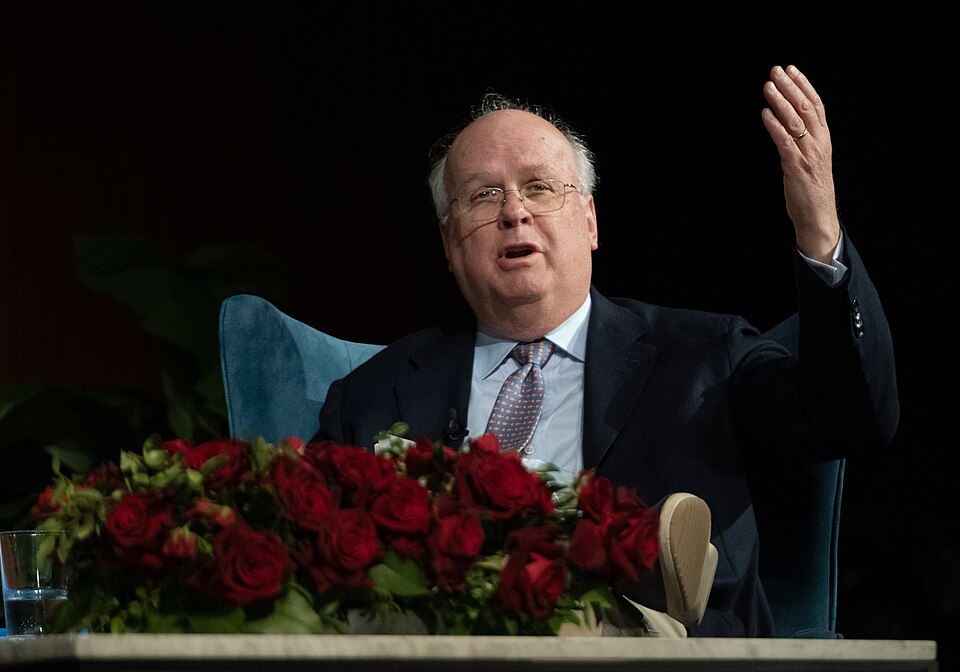
President Donald Trump is facing unusually sharp criticism from inside Republican circles after veteran GOP strategist Karl Rove warned that the president’s optimistic message about the U.S. economy risks colliding with what Americans are experiencing in their everyday lives.
Rove, a Fox News contributor and former senior adviser to President George W. Bush, made the argument Friday during a discussion about the economy, socialism and the political battle taking shape ahead of the 2026 midterm elections.
His warning was especially notable because it came as Republicans attempt to convince voters that conservative economic policies offer a better future than the increasingly prominent democratic socialist movement on the political left.
But according to Rove, Republicans have a problem they cannot afford to ignore: the cost of living.
Rove Warns Trump About His Economic Message
The Fox News discussion initially focused on Michigan politics and Democratic candidate Abdul El-Sayed.
Rove highlighted El-Sayed’s progressive political positions and argued that Republicans have substantial ammunition to use against democratic socialism, particularly on policing, immigration, housing and the role of government.
The conversation then turned toward Vice President JD Vance and his warning about why socialism may appeal to some younger Americans.
Vance argued that Republicans cannot defeat socialism simply by criticizing it. Instead, he said conservative leaders have to demonstrate that their policies can actually improve Americans’ lives.
That brought the discussion directly to one of the biggest political issues facing Trump and Republicans: affordability.
Fox News anchor Gillian Turner pointed out that voters want relief from the high cost of living.
Rove agreed — and then delivered a striking warning for Trump.
Karl Rove Says Republicans Shouldn’t “Gaslight” Voters
Rove said Republicans should start by not “gaslighting” the American public about economic conditions, referring to an argument he had also made in a Wall Street Journal column.
He specifically criticized Trump for describing the economy in extraordinarily positive terms while saying prices for necessities such as groceries and gasoline were falling rapidly.
Rove’s concern was not necessarily that Republicans lack an economic argument.
His concern was that telling Americans everything is going exceptionally well can backfire when families still feel financial pressure every time they shop for groceries, fill their vehicles or pay their monthly bills.
For millions of middle-class families, retirees and Americans living on fixed incomes, what happens to household expenses can matter far more than political talking points coming out of Washington.
And that creates a political challenge for Trump.
Americans Haven’t Forgotten What Things Used To Cost
One of the most important distinctions in the inflation debate is the difference between falling inflation and falling prices.
When the inflation rate declines, it generally means prices are increasing more slowly. It does not necessarily mean the price of groceries, housing, insurance, utilities and other necessities has returned to previous levels.
That distinction matters enormously to voters.
An American who remembers what a shopping cart cost several years ago does not need an economist to explain whether today’s grocery bill feels expensive.
The same is true for homeowners watching insurance premiums, property expenses and utility bills — and for retirees trying to stretch Social Security checks and retirement savings.
Rove’s warning appears designed to prevent Republicans from repeating a political mistake they have accused Democrats of making in the past: telling voters the economy is strong when those voters remain unhappy with their personal finances.
JD Vance Offers Republicans Another Warning
Vice President Vance approached the issue from a somewhat different direction.
His message was that Republicans must give Americans a compelling economic alternative if they expect voters — particularly younger voters — to reject socialism.
In other words, defending capitalism requires more than simply saying socialism does not work.
Republicans also have to show voters that a free-market economy can provide affordable housing, good-paying jobs, financial independence and a realistic opportunity to build wealth.
Rove largely agreed with that goal, although he argued that Republicans should make a more forceful defense of the free market itself.
Rove Says Homeownership Shows What’s at Stake
Rove pointed specifically to homeownership and private property.
For generations, owning a home has been one of the primary ways middle-class Americans have accumulated wealth.
A family buys a house, makes mortgage payments over decades, builds equity and potentially ends up owning an asset worth substantially more than the original purchase price.
That wealth can provide security during retirement or eventually be passed along to children and grandchildren.
Rove argued that Republicans should contrast that traditional model with socialist policies that would place considerably more power over housing in the hands of government.
His argument raises a fundamental political question: Who should have more control over an American family’s economic future — the family or the government?
For conservatives, the answer has traditionally been clear.
The Socialism Debate Could Become an Economic Debate
Republicans have plenty of ideological differences with democratic socialists.
Immigration, policing, taxes, government spending and private property could all become major issues during the midterm campaign.
But those arguments may ultimately take a back seat to a much simpler question.
Can Americans afford their lives?
A voter struggling with groceries, housing or utility bills may care far more about immediate financial relief than an abstract debate about economic systems.
That is why Rove’s criticism could matter.
His warning isn’t simply about Trump’s choice of words. It is about how Republicans communicate with voters who may support many of Trump’s policies while simultaneously believing that everyday life remains too expensive.
Trump Faces a Delicate Political Balancing Act
Trump has strong political incentives to highlight economic victories.
Every president wants voters to believe his policies are working, and Republicans heading into competitive midterm elections have an obvious interest in presenting the economy in the strongest possible light.
But there is a difference between promoting progress and appearing to dismiss voters’ financial concerns.
Rove appears to believe Republicans should acknowledge that difference.
Rather than simply declaring economic victory, the GOP could potentially make a stronger argument by recognizing that many families remain under financial pressure — and then explaining how Republican policies are intended to reduce that burden.
That message could be particularly important for Americans over 50.
Many are approaching retirement or already living on retirement income. They may have less ability to compensate for higher expenses by working additional hours or changing careers.
For these households, persistent increases in food, housing, energy, insurance and other necessities can have serious long-term consequences.
Republicans Have an Opportunity — And a Risk
There is an obvious political opportunity for Republicans.
Democratic socialism gives conservatives an ideological opponent they can contrast with lower taxes, private property, homeownership, entrepreneurship and limited government.
But there is also a risk.
If Republicans spend their time telling Americans how strong the economy is while voters continue worrying about their monthly expenses, Democrats could turn that disconnect against them.
Rove’s warning boils down to a simple political lesson: Don’t tell voters that their financial concerns aren’t real.
A stronger approach may be to acknowledge the pain, explain what caused it and offer voters a clear plan for improving their financial situation.
Vance’s comments point toward a similar conclusion.
If Republicans want Americans to reject socialism, they must make the case that capitalism and conservative economic policies can deliver something better.
That means more opportunities to own a home, build savings, find good-paying work and retire comfortably without depending increasingly on Washington.
As the midterms approach, Trump and Republicans will have to decide exactly how to make that case.
And Rove’s criticism shows that the debate over the best strategy is already happening inside the Republican Party itself.