Trump is not happy.
President Donald Trump sharply criticized the Supreme Court on Thursday as the nation waits for a major ruling that could dramatically reshape immigration policy and presidential authority in America.
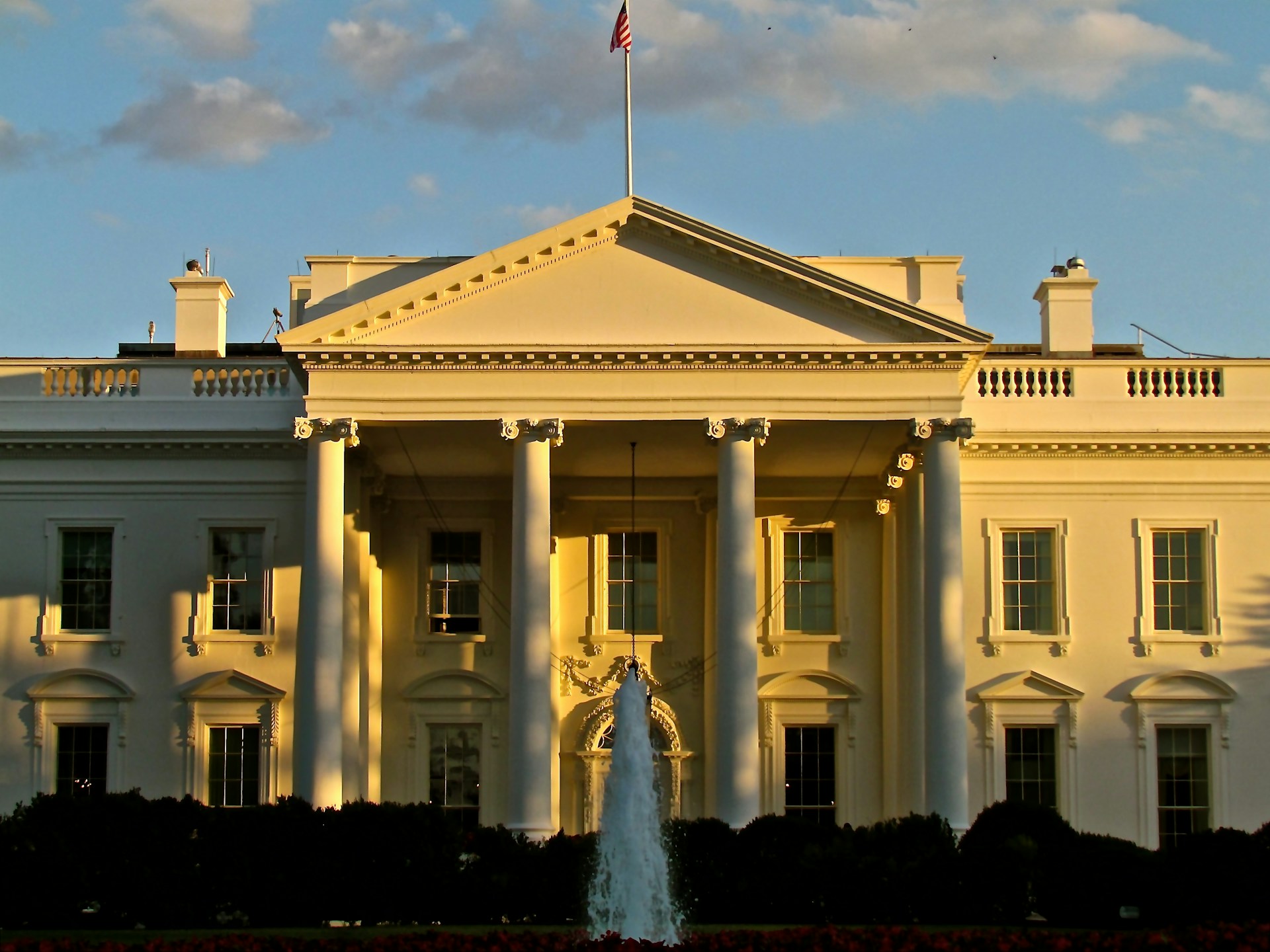
Speaking from the White House, Trump warned that keeping birthright citizenship fully intact could encourage more illegal immigration and create long-term financial burdens for American taxpayers.
“It would be a disgrace if the Supreme Court allows that to happen,” Trump told reporters while discussing the ongoing legal battle over his administration’s immigration policies.
The president argued that birthright citizenship has become a major incentive for migrants seeking entry into the United States, saying the issue is tied directly to border security, government spending and the future of the country’s immigration system.
Trump’s comments come as the Supreme Court prepares to issue several blockbuster decisions involving immigration, election law, federal agencies and executive power before the end of its current term.
Supreme Court Reviewing Trump’s Birthright Citizenship Order
At the center of the legal battle is Trump’s January 2025 executive order aimed at limiting automatic citizenship for certain children born in the United States to noncitizen parents.
The policy immediately triggered multiple lawsuits, and lower courts temporarily blocked the order from taking effect.
Earlier this year, Supreme Court justices heard oral arguments over whether Trump’s order conflicts with the citizenship clause of the 14th Amendment.
The outcome could become one of the most important immigration rulings in decades.
Supporters of the order argue the Constitution was never intended to create incentives for illegal immigration or “birth tourism,” where foreign nationals travel to the United States specifically to secure citizenship for their children.
Critics, however, argue the policy would overturn long-standing constitutional interpretations that have existed for generations.
The Supreme Court’s decision could also determine how much power future presidents have to reinterpret existing federal law through executive action.
Immigration Debate Continues Nationwide
The immigration issue remains one of the most divisive topics in American politics.
Surveys published earlier this year showed that a large share of Americans still favor granting automatic citizenship to children born in the United States, especially when their parents are legally living and working in the country on valid visas.
At the same time, concerns over border security, illegal immigration and taxpayer-funded benefits remain major issues for millions of voters heading into the next election cycle.
Trump has repeatedly made immigration enforcement and border security central parts of his political platform, arguing stronger policies are necessary to protect American workers, taxpayers and public services.
Supreme Court Also Considering Other Major Trump Cases
The birthright citizenship battle is only one of several major disputes involving Trump currently before the nation’s highest court.
Mail-In Ballot Case Could Impact Future Elections
Another closely watched case involves whether states should be allowed to count mail-in ballots that arrive after Election Day.
Several states currently allow ballots to be counted if they are postmarked by Election Day, even if they arrive later.
Conservatives have long argued that extending ballot deadlines weakens election integrity and delays final results.
If the Supreme Court rules ballots must physically arrive by Election Day, future elections across the country could change significantly.
A decision is expected later this year.
Federal Reserve Power Dispute Draws Attention
The Supreme Court is also weighing a case involving Trump and Federal Reserve Governor Lisa Cook.
Trump previously attempted to remove Cook from her position over allegations tied to mortgage paperwork connected to properties she listed as primary residences before joining the Federal Reserve.
Cook has denied wrongdoing and has not been charged with any crime.
Some Supreme Court justices questioned whether presidents have the authority to remove Federal Reserve officials, while others raised concerns about maintaining the independence of the central bank.
The case could ultimately redefine presidential authority over independent federal agencies.
TPS Immigration Case Could Affect Hundreds of Thousands
Another major immigration case before the court involves Temporary Protected Status, commonly known as TPS.
The Trump administration has sought to end TPS protections for large groups of migrants from countries facing political unrest or natural disasters.
Supporters of Trump’s position argue temporary programs were never meant to become long-term pathways to remaining in the country indefinitely.
Opponents argue ending the protections could disrupt families and communities across the United States.
The Supreme Court’s ruling could impact hundreds of thousands of migrants currently living and working legally in America under TPS protections.
Trump Responds To Tariff Ruling
Trump also addressed a recent Supreme Court decision involving tariffs imposed during his administration.
The ruling limited some of the president’s previous trade actions, though the administration has already moved to pursue alternative legal methods to continue tariffs on foreign imports.
Trump defended the strategy Thursday, saying tariffs have helped strengthen the American economy and generate billions in revenue.
Supporters argue tariffs help protect American manufacturing and reduce dependence on foreign competitors, particularly China.
With multiple major rulings expected in the coming weeks, the Supreme Court is once again positioned at the center of several battles that could shape immigration policy, executive authority and the future direction of the United States for years to come.