Tensions are escalating again.
As diplomatic activity between Washington and Tehran quietly intensifies, Iran is escalating its rhetoric overseas while tightening control at home — a strategy analysts say is designed to pressure the United States and intimidate the Middle East.
Over the weekend and into Monday, Iranian officials issued renewed warnings that any military action against the Islamic Republic would trigger a wider regional conflict. The statements came even as Tehran signaled openness to renewed talks, reinforcing a familiar pattern of threats paired with diplomacy.
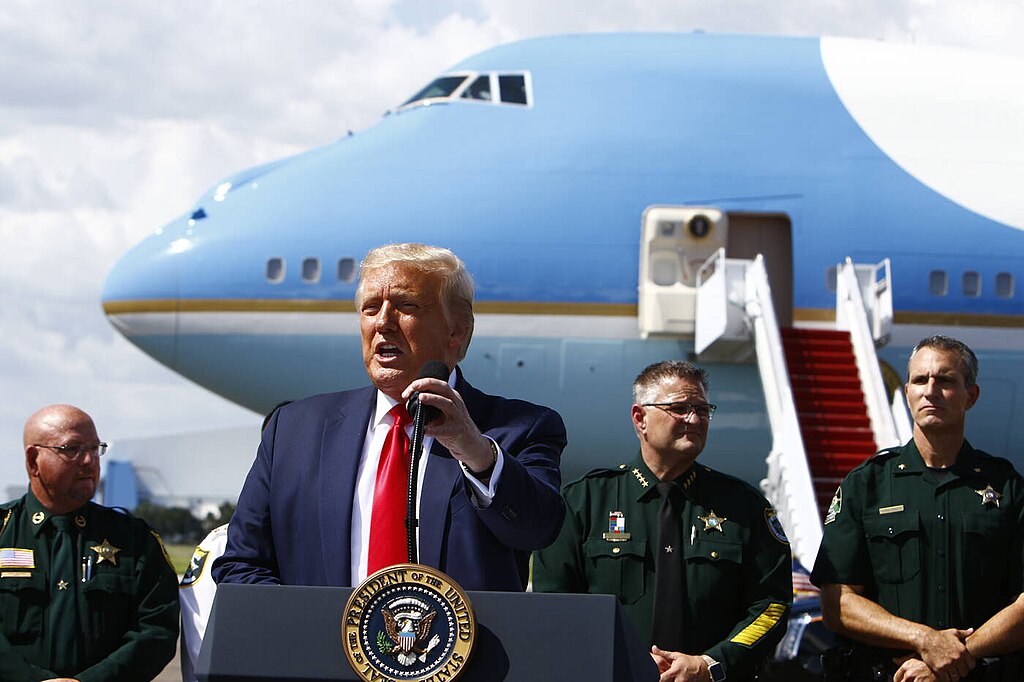
Multiple international reports indicate Iran is now exploring the possibility of fresh nuclear negotiations with the United States. Turkey has emerged as a potential venue, while Saudi Arabia and Qatar are reportedly acting as intermediaries. The diplomatic push follows President Donald Trump’s recent comments expressing optimism that an agreement could prevent military confrontation.
At the same time, U.S. coordination with Israel has increased. American envoy Steve Witkoff is expected to meet with Israeli Prime Minister Benjamin Netanyahu and senior defense officials as concerns grow over Iran’s nuclear ambitions and regional aggression. Recent discussions in Washington were focused heavily on Tehran’s next moves.
Security experts say Iran’s mixed messaging is deliberate.
“This is standard behavior for the Iranian regime,” one Middle East analyst explained. “They issue public threats to scare neighboring countries, while privately encouraging negotiations. The goal is to keep the region on edge and force outside powers to push for talks.”
That strategy appears to be having an effect. Several regional governments, wary of being drawn into conflict, are urging diplomatic solutions rather than escalation. Analysts say Iran is exploiting those fears to strengthen its negotiating position.
Inside Iran, the approach is equally calculated. Military leaders continue issuing aggressive statements, while civilian officials emphasize dialogue. Observers say the conflicting signals are meant to confuse adversaries and maintain constant pressure on the United States.
Meanwhile, Iran’s domestic situation continues to deteriorate.
Human rights groups and opposition networks report an expanding crackdown on protesters. While casualty figures vary, thousands are believed to have been killed since unrest began, with many more cases still under review. Advocacy groups warn the final toll could be significantly higher.
Eyewitnesses inside the country describe widespread arrests and violent confrontations with security forces. In several cities, residents report heavy restrictions on movement and an increased military presence.
Analysts say renewed diplomatic talks have also created frustration among Iranians who hoped international pressure would weaken the regime.
“When President Trump publicly voiced support for the Iranian people, many believed real change was possible,” one expert said. “Now they fear negotiations may help the regime stay in power rather than support the population seeking reform.”
As talks continue and tensions rise, the situation highlights a long-standing reality: Iran remains one of America’s most dangerous adversaries — projecting threats abroad while suppressing dissent at home — and daring the United States to choose between diplomacy and decisive action.