Trump means business.
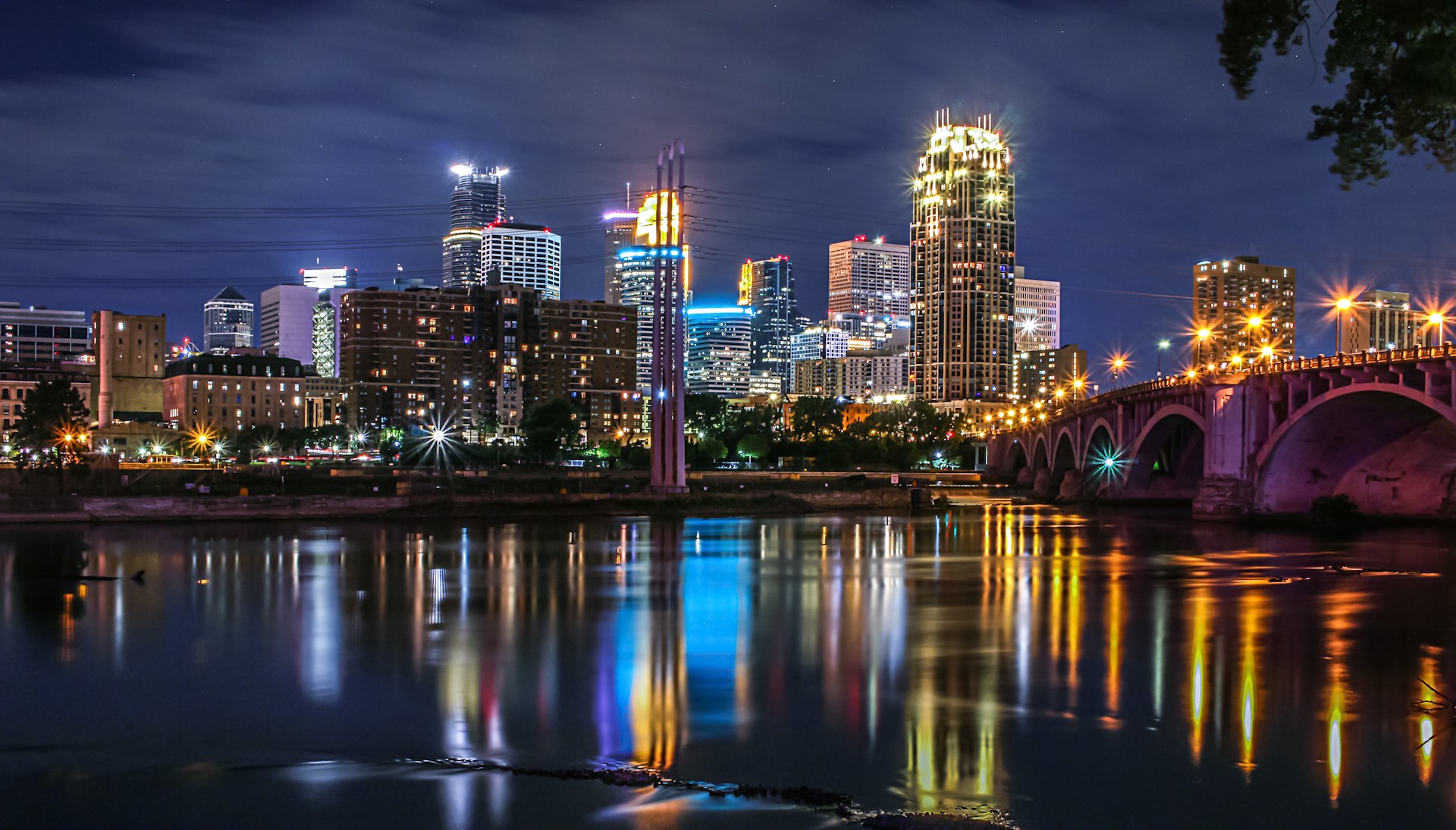
The U.S. Army has placed additional active-duty troops on standby for a possible deployment to Minneapolis, according to a defense official, as protests continue following recent federal immigration enforcement actions.
The official, who spoke anonymously due to the sensitivity of military planning, confirmed that Army military police units stationed at Fort Bragg have been issued “prepare-to-deploy” orders. Pentagon sources emphasized that these orders are precautionary and routine, and do not automatically mean troops will be sent into the city.
If deployed, the soldiers would be tasked with supporting civil authorities, protecting federal personnel, and securing government facilities—not performing everyday policing duties. Defense officials stressed that standby orders are common during periods of heightened tension and are meant to ensure readiness, not escalation.
In addition, approximately 1,500 active-duty troops from the Army’s 11th Airborne Division, based in Alaska, have reportedly received similar readiness notifications.
The situation follows unrest in Minneapolis after a federal immigration officer fatally shot local resident Renee Good on January 7, sparking demonstrations and renewed debate over federal authority, border enforcement, and public safety.
President Donald Trump previously raised the possibility of invoking the Insurrection Act—a rarely used 19th-century law that allows a president to deploy active-duty troops during extreme civil disorder when state and local authorities are unable to restore order.
While Trump later told reporters there was no immediate need to use the law, he made clear that the option remains available if conditions worsen.
“If I needed it, I’d use it,” Trump said. “It’s very powerful.”
When asked about the latest military readiness orders, Pentagon officials said they had no additional information to release at this time.
Minnesota Governor Tim Walz, a Democrat and frequent critic of Trump, has urged the administration to avoid sending additional federal troops. In a statement, Walz called for de-escalation and invited the president to visit the state, arguing that cooperation—not confrontation—is the best path forward.
During his second term, Trump has taken a tougher stance on restoring law and order, particularly in cities experiencing unrest tied to immigration enforcement or violent crime. Supporters argue the approach prioritizes public safety and protects federal agents, while opponents claim it pushes the limits of presidential authority.
Last year, Trump federalized National Guard units and deployed active-duty Marines to Los Angeles following large-scale protests connected to immigration arrests. Thousands of Guard members and several hundred Marines were ultimately assigned to protect federal buildings and assist federal personnel. Similar deployments occurred in cities such as Chicago and Portland before facing legal challenges.
By December, Trump said he was pausing further troop deployments—but recent developments suggest the administration remains prepared to act if unrest escalates again.