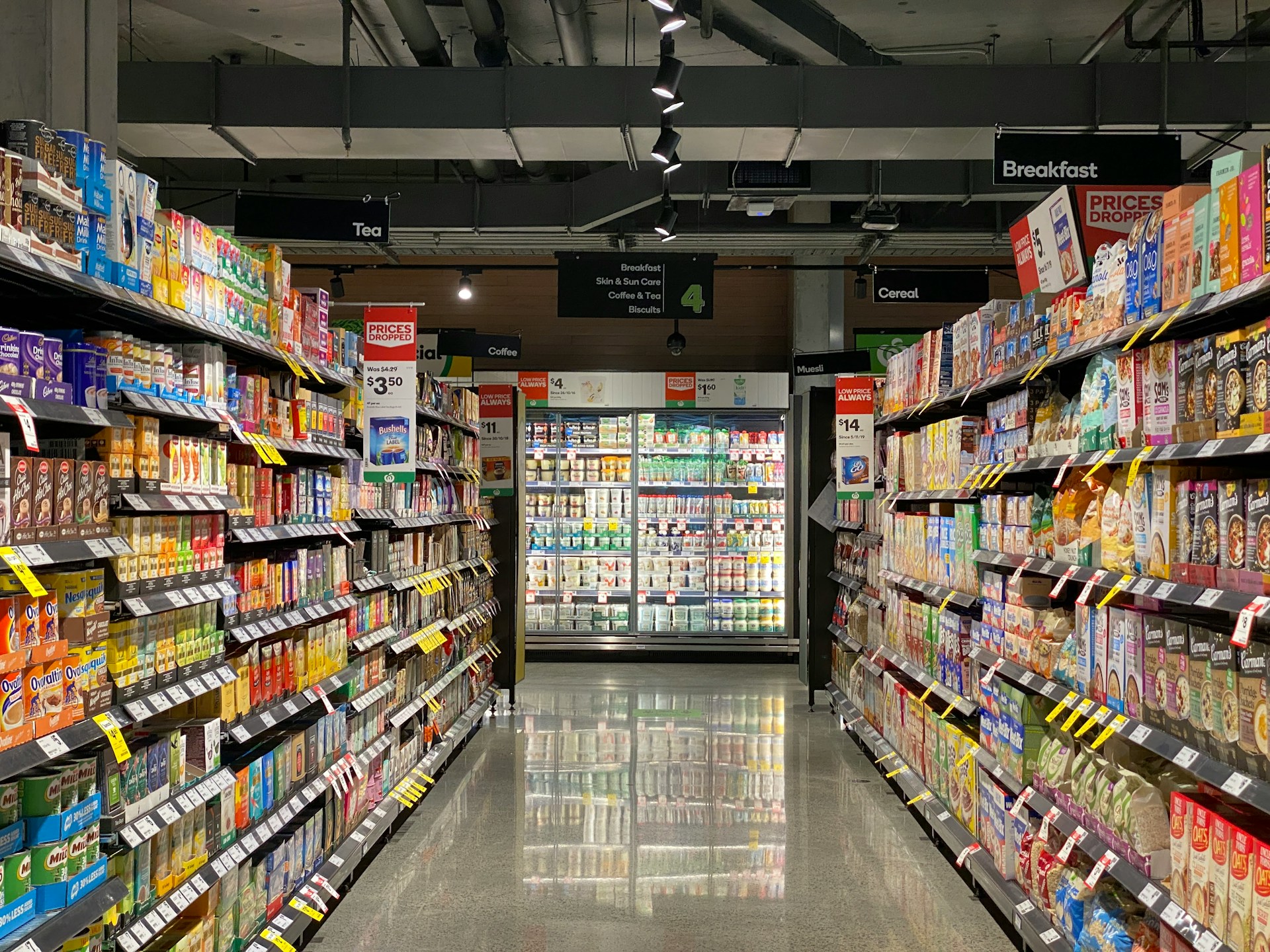
Grocery inflation may be slowing on paper, but for many American families—especially seniors on fixed incomes—the checkout line tells a very different story.
From beef to coffee to basic produce, food prices in 2025 remain stubbornly high, putting continued pressure on household budgets.
One of the biggest pain points this year has been meat. Beef and veal prices climbed sharply in 2025, rising far faster than most other grocery staples such as bread, milk, or chicken. According to recent federal data, beef prices increased between 11% and 25% from November 2024 to November 2025, depending on the cut. Popular options like chuck roast, round roast, and stew meat experienced the steepest increases.
In an effort to bring some relief to consumers, the Trump administration announced reductions in tariffs on imported beef. While the move aims to stabilize prices, economists warn that broader challenges—such as drought conditions affecting cattle herds—could keep beef prices elevated for several more years.
Meat isn’t the only grocery item squeezing family budgets. Coffee, a staple in millions of American homes, jumped an eye-opening 35% in just one year. Tariffs on coffee imports were also rolled back, but shoppers have yet to feel much relief at the register.
Prices in the produce aisle also moved higher. Iceberg lettuce is now 21% more expensive than last year, while romaine lettuce rose 12%. Even bananas—long considered one of the most affordable fruits—climbed 7%. Orange juice prices increased roughly 12%, and common pantry items like cookies are up about 8%.
Complicating matters further is uncertainty surrounding the inflation data itself. The Bureau of Labor Statistics releases inflation figures with a delay, meaning complete 2025 data will not be available until mid-January. The most recent report, released December 18, showed overall inflation at 2.7%, but economists caution that the numbers may not fully reflect reality due to disruptions from the recent government shutdown. October’s inflation report was canceled entirely, leaving gaps in the data.
“The data is truncated, and we just don’t know how much of it to trust,” said Diane Swonk, chief economist at KPMG. She noted that shutdown-related disruptions—particularly involving government operations—may have temporarily distorted price trends.
Many economists say a more reliable picture of inflation may not emerge until the Labor Department releases December’s numbers next month.
What is clear is how Americans are feeling. A recent survey from the Associated Press-NORC Center for Public Affairs Research found that a large majority of U.S. adults report paying noticeably higher prices for groceries, electricity, and holiday expenses in recent months.
For older Americans and retirees watching every dollar, the takeaway is simple: while inflation headlines may suggest improvement, everyday costs—especially food—remain a serious concern in 2025.