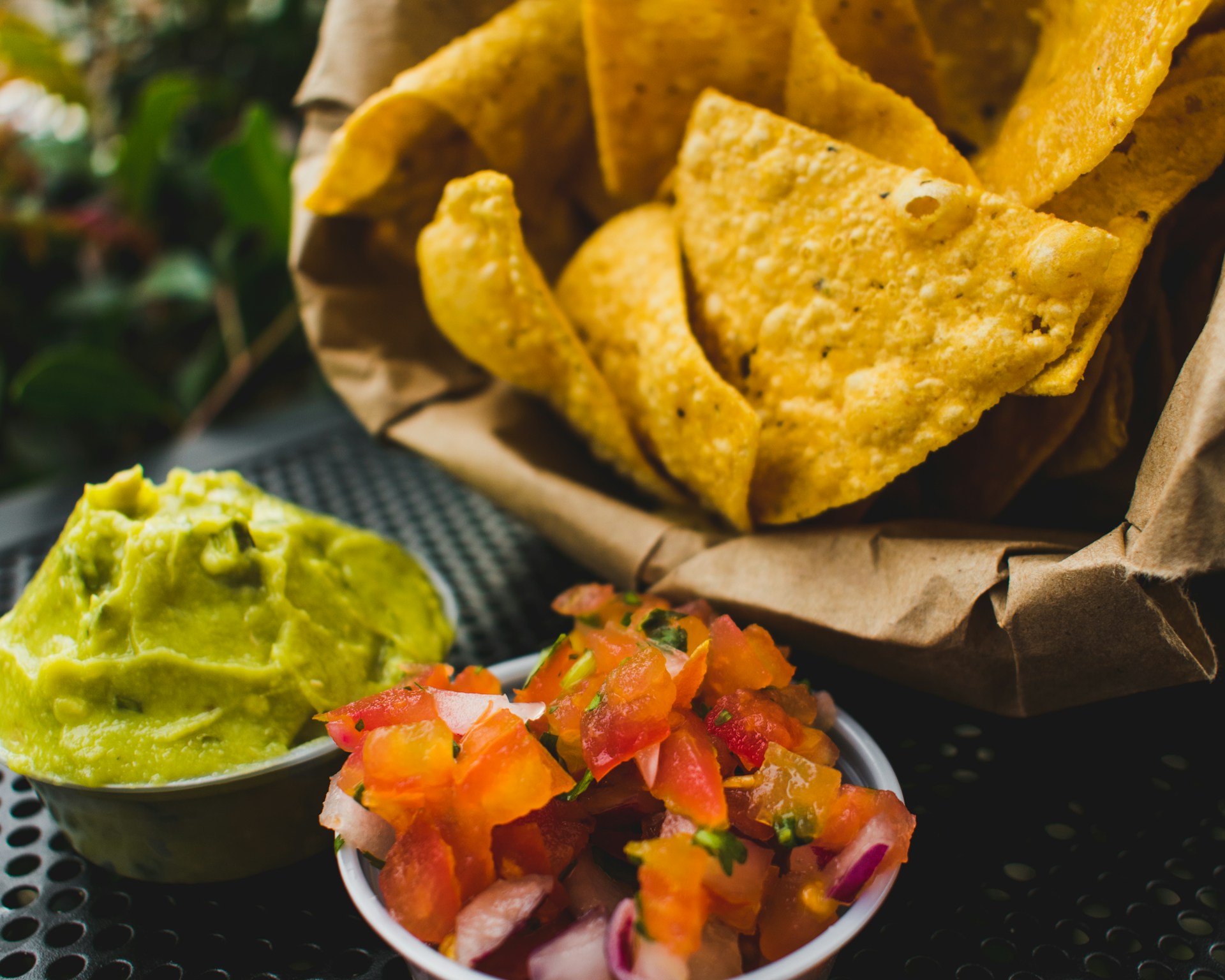
Here are some products that could soon cost more.
President Donald Trump’s proposed 25% tariff on imports from Canada and Mexico, set to take effect as early as this Saturday, could have far-reaching consequences for American consumers and businesses. From everyday items like gasoline and pickup trucks to the ingredients for your Super Bowl guacamole dip, these tariffs would raise prices across the board. The ripple effect could be disastrous for the economy, but what’s even more concerning is that such a drastic move could trigger retaliation from both neighbors, ultimately harming American interests.
Doug Ford, the Premier of Ontario, has already indicated Canada’s readiness to strike back by pulling U.S. alcohol from store shelves — a serious threat considering Canada is the world’s second-largest market for American distilled spirits, trailing only the European Union. If this move goes forward, it would undermine the very trade agreement Trump worked hard to secure with Mexico and Canada, the USMCA (United States-Mexico-Canada Agreement), which Trump once hailed as “the fairest, most balanced, and beneficial trade agreement we’ve ever signed.”
However, Trump’s unpredictable approach to tariffs risks unraveling the very trade framework that was supposed to bring stability and prosperity to North America. Experts like Scott Lincicome, a trade analyst at the Cato Institute, warn that these tariffs could cripple the USMCA, which was intended to reduce the U.S. trade deficit and bring manufacturing jobs back home. Despite the hopes for economic growth, the U.S. trade deficit with Mexico has only widened, growing from $106 billion in 2019 to $161 billion in 2023. Similarly, the U.S. deficit with Canada has ballooned from $31 billion to $72 billion in the same period.
Many analysts, including Michael Robinet of S&P Global Mobility, suspect Trump’s tariff threat is less about immigration and fentanyl — the two issues Trump has highlighted — and more about pushing Canada and Mexico into agreeing to future changes to the USMCA. They believe the tariffs might be phased in or postponed, serving as a bargaining chip to extract more concessions from our neighbors.
For American businesses, the potential impact is unsettling. Industry leaders are scrambling to prepare for the worst, and companies are already making strategic decisions, from stockpiling goods to adjusting supply chains. Dave Evans, co-founder of Fictiv, a company that helps businesses manage supply chains, warned that consumers will bear the brunt of these tariffs. “A tariff isn’t fully absorbed by the companies,” he explained, highlighting that the cost is inevitably passed on to the end consumer.
Moreover, Trump’s “Tariff Man” persona continues to be controversial. While he views tariffs as a way to both fund tax cuts and bring manufacturing back to the U.S., critics argue that such unilateral actions will only destabilize the global economy. Lori Wallach, Director of the Rethink Trade program, noted that the trade deficit with Mexico and Canada has only increased since the USMCA was signed, a far cry from Trump’s original goals.
Canada and Mexico are already preparing for retaliation. Chrystia Freeland, former Canadian finance minister, has openly discussed the possibility of a “dollar-for-dollar” response, targeting American goods and industries that would hurt key states like Florida, Wisconsin, and Michigan. Similarly, Mexico’s President Claudia Sheinbaum has stressed that her country is ready to defend its sovereignty and respond firmly if tariffs are imposed.
Ultimately, Trump’s tariff strategy, while aimed at securing his broader political goals, could have significant consequences for American workers, businesses, and consumers. The trade policies he champions are facing growing opposition, both domestically and internationally, and could potentially lead to a trade war that ends up hurting the very Americans Trump promises to protect.