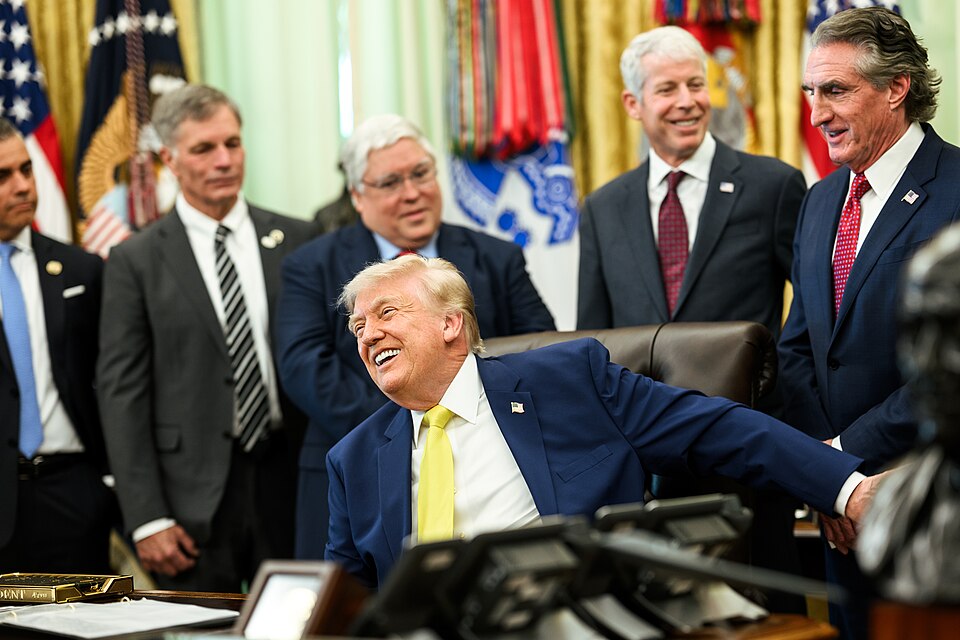
Lindsey Graham Falls In Line With Trump
Sen. Lindsey Graham (R-S.C.) is throwing his support behind the Trump administration’s newly announced agreement with Iran, arguing that the deal could help reduce tensions in the Middle East while improving economic stability around the world.
The South Carolina Republican made his position clear Wednesday after holding what he described as a lengthy and productive discussion with Special Envoy Steve Witkoff regarding ongoing negotiations between the United States and Iran.
Graham’s endorsement comes after weeks of uncertainty surrounding the talks and signals growing Republican support for President Donald Trump’s latest foreign policy initiative.
Graham Sees Major Benefits for America
In comments shared on social media, Graham said the agreement could provide important advantages for the United States by helping reopen the Strait of Hormuz and reducing the risk of continued conflict in the region.
The Strait of Hormuz remains one of the world’s most important shipping routes, with a significant portion of global oil supplies moving through the narrow waterway each day. Any disruption can have immediate effects on energy markets, fuel prices, and economic growth.
According to Graham, restoring stability to the region could provide relief not only for American consumers but also for businesses and allies around the globe.
The senator noted that while a final agreement addressing Iran’s nuclear program has not yet been reached, he believes pursuing negotiations is a worthwhile effort.
Graham said the potential benefits far outweigh the risks, particularly if the talks can lead to a verifiable agreement that protects U.S. national security interests.
Why the Strait of Hormuz Matters
For many Americans, the Strait of Hormuz may seem like a distant issue. However, the waterway plays a critical role in the global energy market.
When tensions rise in the region, oil prices often increase, leading to higher gasoline prices and increased costs for transportation, manufacturing, and everyday goods.
By helping secure access to this vital trade route, policymakers hope to prevent future disruptions that could impact American families already dealing with inflation and rising living expenses.
Many economic analysts have long warned that instability in the Middle East can quickly ripple through global markets.
A reduction in hostilities could therefore have benefits extending well beyond the region itself.
Trump Administration Releases Details of Agreement
The United States and Iran formally signed a memorandum of understanding earlier this week.
Senior administration officials later outlined key provisions of the agreement, including a 60-day negotiation period that may be extended if progress continues toward a broader settlement.
Officials also indicated that the framework includes plans to reopen the Strait of Hormuz and support a major reconstruction effort within Iran.
The memorandum itself does not represent a final peace agreement. Instead, it establishes a structure for continued negotiations aimed at addressing long-standing disputes between the two nations.
Supporters argue that creating a roadmap for diplomacy may help prevent future military confrontations while advancing American strategic interests.
Graham Praises Efforts to Expand the Abraham Accords
Beyond the Iran negotiations, Graham also highlighted the Trump administration’s efforts to build upon the Abraham Accords.
The historic agreements, originally brokered during Trump’s first term, normalized relations between Israel and several Arab nations and were widely viewed as one of the administration’s most significant foreign policy achievements.
Graham suggested that economic cooperation and regional stability offer the best path toward long-term peace.
According to the senator, reducing conflict while expanding economic opportunities can encourage stronger partnerships throughout the Middle East.
Supporters of the Abraham Accords believe additional agreements could further strengthen regional security and reduce the influence of hostile actors.
JD Vance Welcomes Republican Support
Vice President JD Vance also responded positively to Graham’s endorsement.
Following the senator’s comments, Vance thanked him publicly and praised what he described as growing unity behind President Trump’s vision for a safer and more prosperous world.
The vice president argued that the administration’s approach seeks to combine American strength with diplomacy, a strategy supporters believe can produce lasting results without unnecessary military conflict.
As negotiations continue, the administration faces the challenge of securing a final agreement that satisfies national security concerns while maintaining support among Republicans and U.S. allies.
What Happens Next?
The next several weeks could prove critical.
Negotiators now have a 60-day window to work toward a broader agreement addressing Iran’s nuclear program, regional security concerns, and economic issues.
Whether a final deal emerges remains uncertain.
However, Graham’s endorsement represents a significant development and may encourage other Republican lawmakers to take a closer look at the administration’s efforts.
For now, supporters argue that reopening critical trade routes, lowering geopolitical tensions, and pursuing peace through strength are goals worth exploring.
If successful, the agreement could have consequences that extend far beyond Washington and Tehran, potentially affecting energy prices, global markets, and stability throughout the Middle East for years to come.