Some major moves were made and some of Trump’s own top officials had no idea.
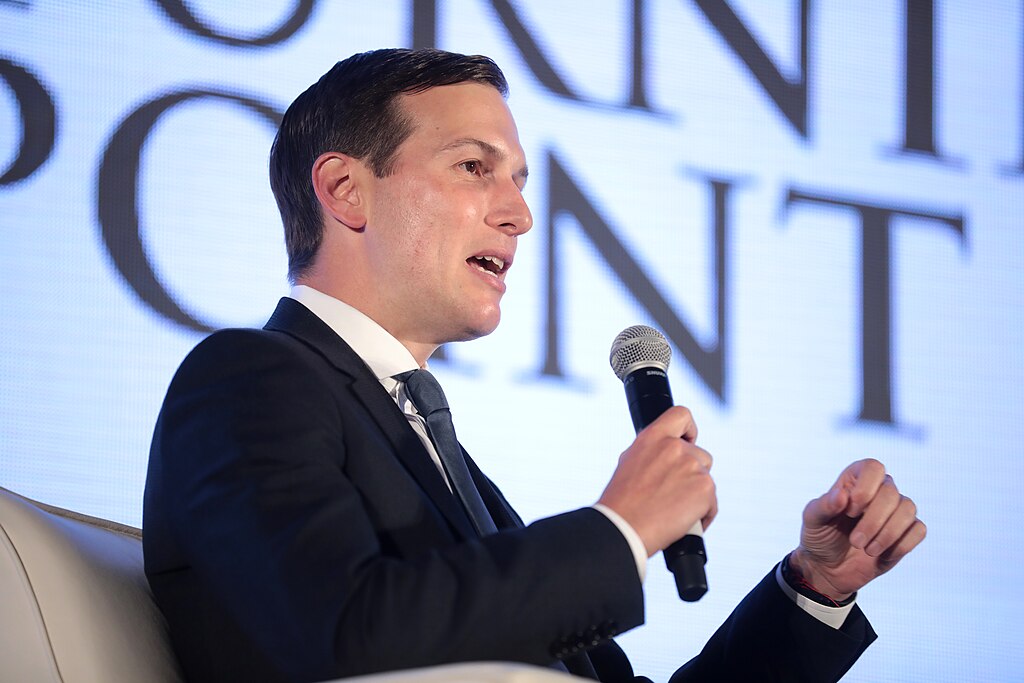
A stunning new report reveals that President Donald Trump’s push to finally bring peace to Ukraine began long before Washington insiders realized—and it started with a bold behind-the-scenes effort led by U.S. special envoy Steve Witkoff and Trump’s son-in-law, Jared Kushner. Their early draft of a Ukraine peace plan circulated privately for weeks, catching even senior officials off guard once it leaked.
According to the Wall Street Journal, Witkoff and Kushner quietly developed the original 28-point peace framework after President Trump directed his team to pursue a serious pathway to end the war—something the Biden administration never came close to achieving. This effort came on the heels of Trump’s successful diplomatic breakthrough in Gaza, reinforcing the administration’s focus on restoring global stability.
Secret Miami Meetings Raise Major Questions
Witkoff and Kushner reportedly held closed-door meetings in Miami with Kirill Dmitriev, a Russian financier and close ally of Vladimir Putin. For three days, the group discussed potential terms over private dinners and long conversations at Witkoff’s home.
Dmitriev pushed for several controversial conditions—including Ukraine giving up parts of the Donbas, limiting the size of its military, and permanently abandoning NATO membership. Those proposals appeared in the early draft, strongly reflecting Moscow’s preferred terms.
Sources say that Witkoff, Kushner, and Dmitriev shared similar ideas on what a “realistic path to peace” might look like, given Ukraine’s weakened battlefield position and growing fatigue among U.S. taxpayers who are tired of footing the bill for endless foreign conflicts.
Secretary of State Marco Rubio Left Out of the Loop
Despite being aware that discussions were underway, Secretary of State Marco Rubio reportedly did not know the full scope of the 28-point plan until it leaked publicly. Lawmakers supporting unlimited Ukraine aid were shocked by how far the early draft leaned toward Russian demands.
Rubio was handed a copy of the proposal at the White House during the visit of Saudi Crown Prince Mohammed bin Salman. He immediately began pushing for revisions, even flying to Geneva to ensure the final version better reflected U.S. and Ukrainian interests.
Ukraine Pushes Back—Hard
Witkoff and Kushner held multiple calls with Ukrainian President Volodymyr Zelensky while drafting the plan. Ukraine’s national security adviser, Rustem Umerov, was even invited to Miami, where he bluntly warned that the proposals favored Moscow much more than Kyiv.
Officials say many of the controversial provisions were written before the conversations with Ukrainian leaders, highlighting how early-stage and fluid the draft was.
Plan Slimmed Down to 19 Points—Major Concessions Removed
After diplomatic feedback and political pressure, the plan has been reduced from 28 points to 19, stripping out the most divisive demands:
- No forced territorial concessions
- No ban on future NATO membership
- Clearer security guarantees for Ukraine
Secretary Rubio described the updated proposal as a “living, breathing document” that continues to evolve as more voices weigh in.
Trump’s Peace-First Approach Stands in Sharp Contrast to Biden
While critics complain about secrecy, supporters say President Trump’s team is once again doing what the Biden administration refuses to do—pursue real diplomacy instead of writing blank checks for endless foreign wars.
For many Americans, especially seniors living on fixed incomes, the idea of sending Ukraine tens of billions more taxpayer dollars has become unacceptable. Trump’s peace push signals a dramatic shift: fewer foreign entanglements and more focus on American interests, American borders, and American prosperity.
The Bottom Line
The Witkoff-Kushner peace effort shows a Trump administration willing to challenge the foreign-policy establishment and explore every diplomatic option—no matter how unconventional—to bring stability to Europe. With the Biden White House stuck in the same failed patterns, Trump’s team is taking the initiative to move toward a negotiated end to the conflict.