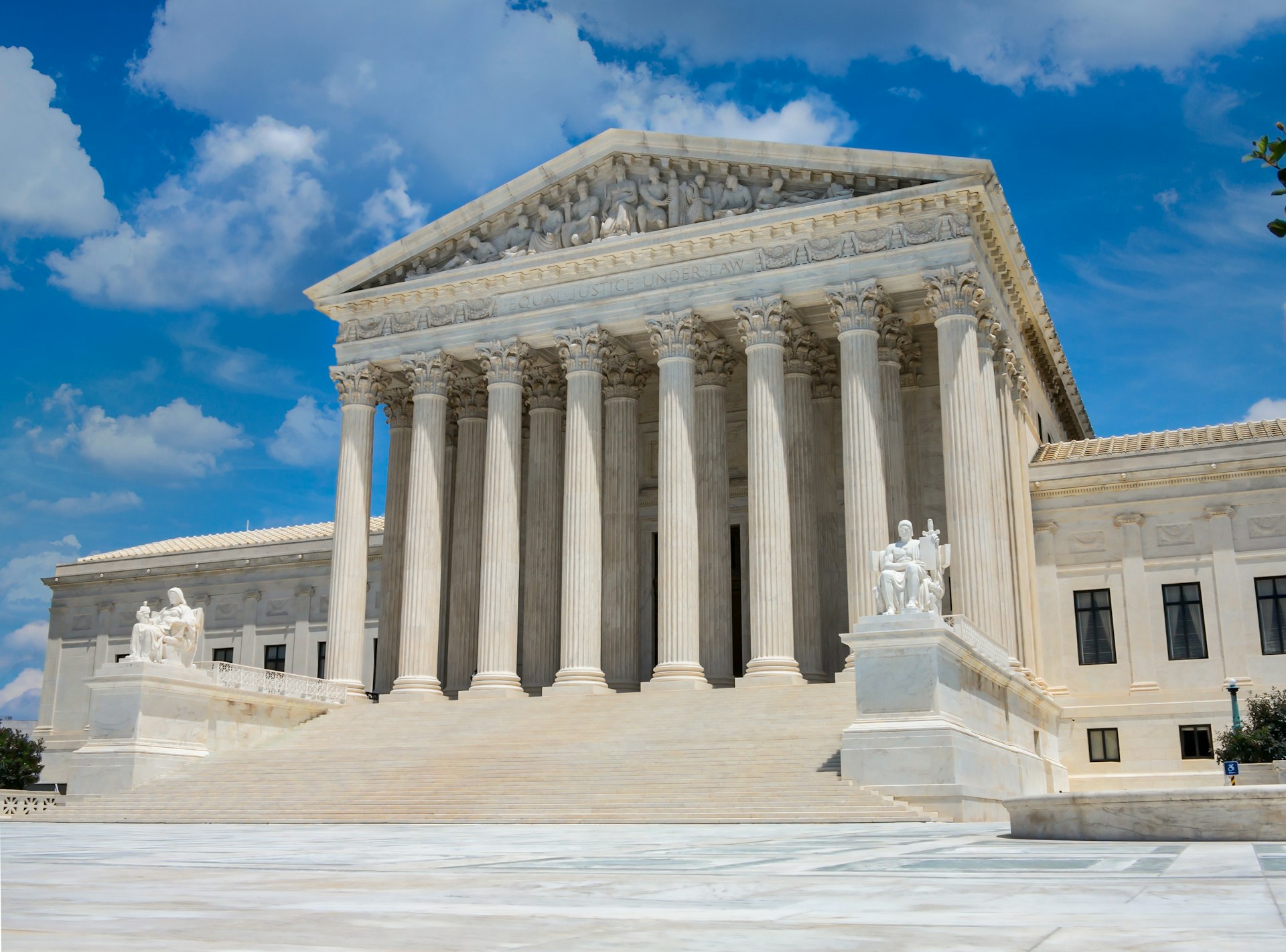
In a stunning development that could reshape America’s future, the U.S. Supreme Court has agreed to review President Donald Trump’s landmark order restricting birthright citizenship.
The move places one of the biggest immigration battles of our time squarely in front of the highest court in the nation — and it could hand Trump a major constitutional victory.
Trump’s Order Takes Aim at a Long-Ignored Loophole
On Day One of his return to the White House, President Trump signed an executive order ending automatic citizenship for children born on U.S. soil unless at least one parent holds permanent legal status.
For millions of Americans concerned about border security, entitlement costs, and illegal immigration, the policy was long overdue.
But almost immediately, activist groups launched a wave of lawsuits to stop the order from ever going into effect. Nearly a year later, the policy remains frozen by lower courts claiming it violates the 14th Amendment — despite the nation’s founders never envisioning citizenship as a reward for illegal entry.
Supreme Court Steps Into the Fight
On Friday, the Supreme Court quietly issued an unsigned order announcing it will hear one of the major challenges backed by the ACLU and other left-wing organizations. The case will be argued this term, with a ruling expected by summer — just months before the 2026 midterm elections.
The Trump administration urged the justices to step in after multiple judges issued sweeping nationwide injunctions blocking the order.
Solicitor General D. John Sauer wrote in the appeal:
“These rulings undermine a policy of prime importance to the President and his Administration. They unlawfully extend citizenship to hundreds of thousands of people who do not qualify under the Constitution.”
The 14th Amendment — Misinterpreted for Decades?
For generations, courts have broadly interpreted the 14th Amendment’s Citizenship Clause. The phrase “subject to the jurisdiction thereof” has been stretched beyond anything the framers contemplated, applying birthright citizenship even to children born to illegal immigrants and birth tourists.
Trump’s order argues that this interpretation is not only incorrect but dangerous in an era of surging illegal immigration and escalating national security risks.
The Supreme Court will now decide:
- Does the Constitution require automatic citizenship for all U.S.-born children?
- Or can the federal government set reasonable limits to protect national interests?
This is the most significant citizenship case in more than 100 years.
Previous Supreme Court Action Already Boosted Trump
Last term, the Court ruled 6–3 to limit nationwide injunctions — a decision widely seen as a win for Trump because it curbed judicial overreach.
But the ruling did not address the core issue: whether Trump’s executive order is constitutional.
That question is now front and center.
Still, left-wing groups continued filing lawsuits. In July, a federal judge in New Hampshire certified a class representing all babies potentially affected by the order — effectively reinstating a nationwide block.
Activist Organizations Push Back Hard
The groups suing the administration urged the Court to avoid the case.
ACLU attorney Cecillia Wang claimed:
“No president can change the 14th Amendment’s fundamental promise of citizenship.”
But conservative legal scholars argue that the Constitution has been distorted for decades, allowing incentives that attract illegal immigration and fuel “birth tourism.”
Ending automatic citizenship, they say, is not only constitutional — it’s essential for national sovereignty.
Why This Case Matters to Every American
If Trump wins, the ruling could:
- Shut down birth tourism overnight
- Remove incentives for illegal border crossings
- Restore Congress’s authority over immigration and citizenship
- Reduce long-term taxpayer burdens
- Strengthen national security and voter integrity
For older Americans who have watched the border crisis worsen for decades, the Supreme Court’s decision could finally bring long-awaited clarity — and accountability.
A ruling is expected this summer, and its impact will be felt for generations.