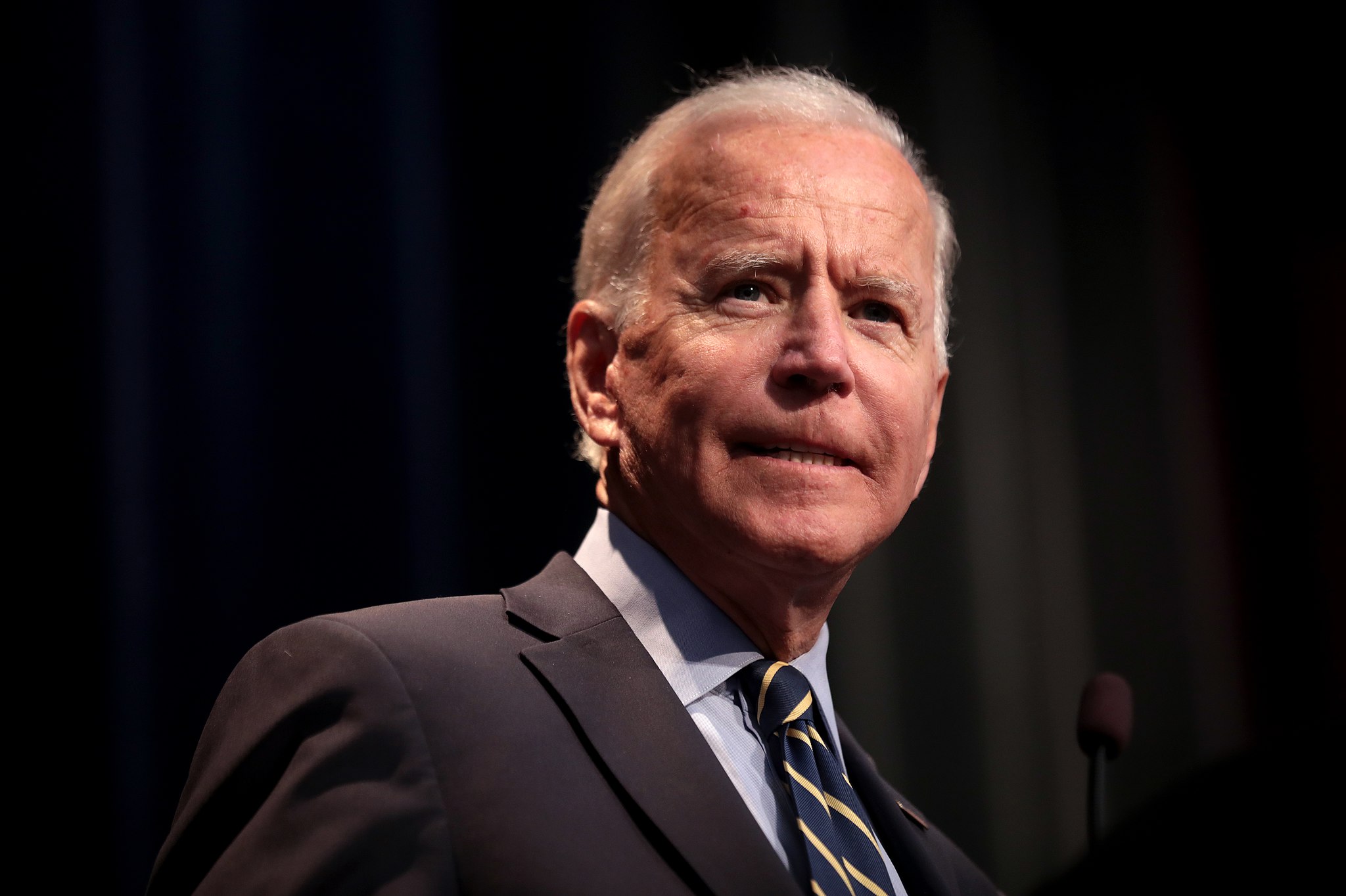
Biden is trying to give Trump more problems and it’s pathetic.
On Friday, the Biden administration announced an extension of Temporary Protected Status (TPS) for immigrants from several countries, further solidifying his open-border policies. This decision, which will allow over 1 million individuals to stay legally in the U.S., contrasts sharply with the immigration stance of former President Donald Trump, who sought to roll back such programs during his tenure.
The extension includes protections for approximately 1,900 Sudanese, 103,700 Ukrainians, 232,000 Salvadorans, and 600,000 Venezuelans. These individuals will now be allowed to remain in the U.S. for another 18 months, continuing to work legally and avoid deportation. TPS, established by Congress in 1990, was designed to offer temporary relief to individuals from countries experiencing natural disasters or armed conflict, but it has been increasingly used to maintain a permanent, non-citizen population in the U.S.
While supporters of TPS argue that it provides much-needed stability, the program has drawn criticism from conservatives who see it as an avenue for mass migration without a clear path to citizenship. The Biden administration’s decision comes amid growing political pressure from both pro-immigration advocates and conservative critics, reflecting the deepening divide on immigration policy in the U.S.
Under the Biden plan, TPS for Venezuelans will be extended until October 2, 2026, and Salvadorans will be protected until September 9, 2026. The extension for Ukrainians and Sudanese grants 18 additional months of protection, further stretching the temporary nature of the program. Proponents argue that the ongoing environmental and political crises in these countries justify the extensions, but critics point out that the program was never meant to offer permanent sanctuary.
Former President Trump and his running mate JD Vance have made it clear that they would scale back TPS protections if re-elected, as part of a broader plan to curb illegal immigration. Trump’s previous attempts to end TPS were blocked by legal challenges, but he has vowed to eliminate the program entirely, arguing that it is an abuse of temporary relief and encourages illegal immigration. Trump’s 2024 campaign has promised a tougher stance on immigration, including mass deportations and an end to TPS.
The extension of TPS offers short-term relief to many immigrants but leaves them in a state of uncertainty about their future in the U.S. The program’s reliance on periodic renewals makes it a tenuous form of protection. Critics, like Andrew Good of NumbersUSA, argue that the “temporary” nature of the program has become a permanent fixture, undermining efforts to secure the U.S. border and maintain national security.
As the Biden administration faces mounting legal and political challenges, particularly from conservative factions, the future of TPS remains uncertain. Should Trump return to office, his administration would likely take swift action to end or drastically reduce the scope of TPS, signaling a clear break from the Biden approach of expansive, open-border policies. For now, however, millions of TPS recipients will continue to live under a cloud of uncertainty, awaiting what may be their next extension or the eventual cancellation of the program altogether.