Here’s what the mainstream media is now claiming.
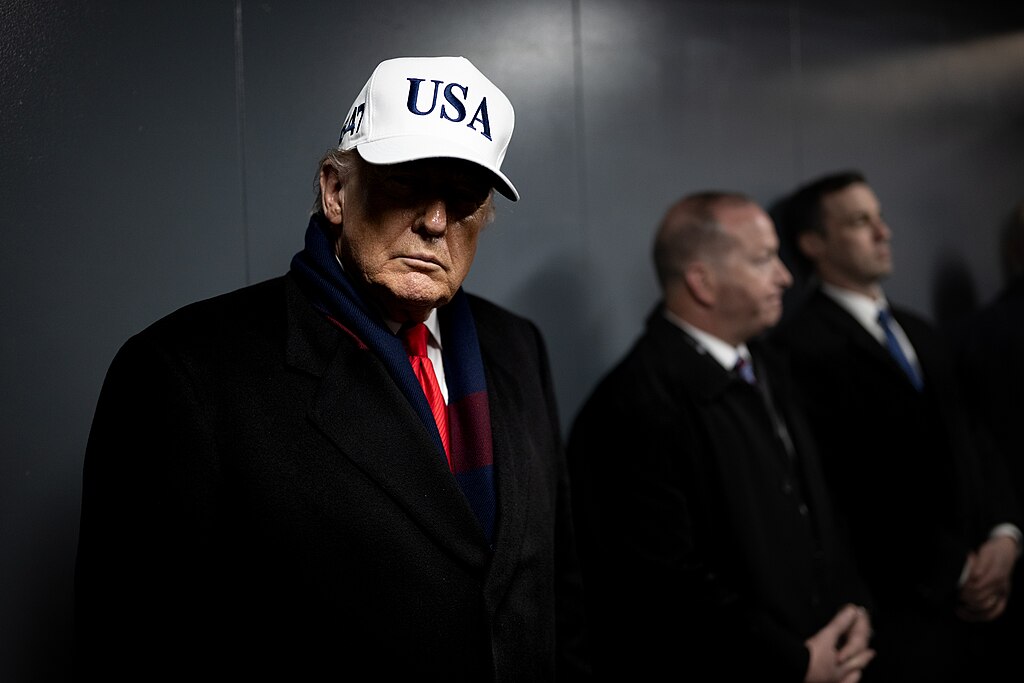
President Donald Trump is once again facing headlines from the mainstream media after a new national poll claimed that fewer Americans now view him as a “strong and decisive leader.”
According to a Gallup survey, 48 percent of respondents said Trump fits that description — down from 59 percent during the early months of his first term in 2017. Just over half of those surveyed said they no longer see the president that way.
Supporters of President Trump, however, are quick to point out that polling has repeatedly failed to accurately measure his political strength.
Although Trump is not on the ballot in the 2026 midterm elections, shifting approval numbers could still influence Republican momentum. The GOP currently holds narrow majorities in Congress, leaving little room for error as Democrats aggressively target swing districts.
Republicans control the House of Representatives by just a handful of seats and maintain a slim advantage in the Senate. Losing even a small number of races could make it harder for conservatives to advance Trump’s agenda during the second half of his presidency.
Gallup’s earlier 2017 survey found that nearly six in ten Americans described Trump as strong and decisive. The latest poll shows an 11-point decline since that time.
The 2017 poll included just over 1,000 respondents and carried a margin of error of plus or minus four percentage points. The December 2025 poll surveyed a similar number of participants and used the same margin of error — a detail critics say still leaves plenty of room for interpretation.
During his second term, President Trump has taken aggressive action on border security, authorized the use of National Guard troops to support local law enforcement, and ramped up pressure on hostile foreign regimes.
Those moves have drawn heavy criticism from the political left and corporate media outlets, while many conservative voters view them as long-overdue steps to restore law and order.
Trump has also faced renewed media attention surrounding long-running controversies, including questions tied to the Jeffrey Epstein files, despite no direct allegations against the president.
Other recent polls show mixed results. A December AtlasIntel survey reported higher disapproval numbers, while Reuters/Ipsos polling showed Trump’s approval slipping late in the year.
At the same time, Morning Consult found that Trump maintains a net positive approval rating in 22 states, slightly outperforming his position at a similar stage during his first term.
President Trump has repeatedly dismissed negative polling, arguing that many surveys are designed to influence public opinion rather than reflect it. In a post on Truth Social, Trump blasted what he called “fake polls” pushed by left-wing media, reminding critics that he remains firmly in control of the White House.
As Trump continues to advance his policy agenda, allies say real-world results — not media narratives — will ultimately shape how voters judge his leadership heading into the next election cycle.