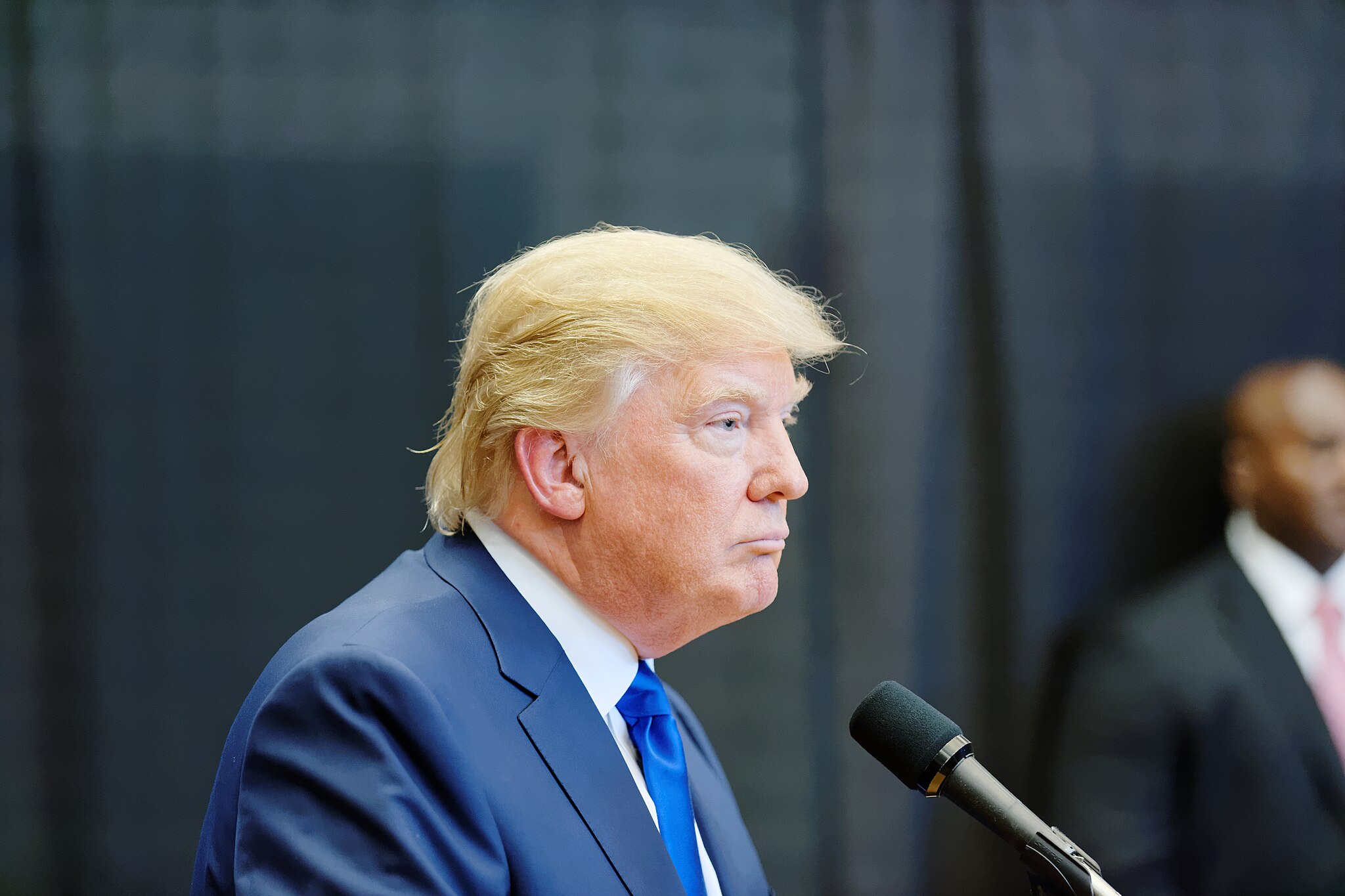
President Donald Trump has had enough — and Washington can feel it.
After months of hesitation on Capitol Hill, the White House confirmed Thursday that Trump has approved a long-delayed sanctions bill aimed squarely at Russia’s economic lifelines. The legislation, led by Lindsey Graham, has been stalled while Congress focused on spending fights and procedural distractions.
A senior administration official confirmed that Trump supports the bill and has quietly backed it since late last year. Now, with Russia still defiant and energy markets shifting, the president appears ready to force action.
A direct hit on Russia’s war funding
Sen. Graham revealed this week that Trump has officially cleared the bipartisan proposal, which would punish countries buying deeply discounted Russian oil — the same oil funding Vladimir Putin’s ongoing war in Ukraine.
The bill would impose crushing economic penalties on foreign buyers, dramatically increasing pressure on nations such as China, India, and Brazil to stop propping up Moscow’s war machine.
Supporters say the strategy aligns perfectly with Trump’s long-standing approach: use economic strength — not endless wars — to force adversaries to the table.
Republican patience is wearing thin
Despite overwhelming support, Congress still hasn’t acted — and that delay is frustrating Republicans who want results, not excuses.
Rep. Brian Fitzpatrick said lawmakers have had more than enough time to move the bill forward.
“I’m growing very frustrated,” Fitzpatrick said, warning that he is prepared to force a vote through a discharge petition if leadership continues to stall.
“When it comes to Russia, we should be doing everything possible to choke off their economy and force real negotiations,” he said. “This is about war and peace.”
Fitzpatrick emphasized that Trump supports the bill and sees it as a critical tool — not a threat — to peace talks.
Peace talks have gone nowhere
For months, critics argued that tougher sanctions might interfere with diplomacy. But after repeated Russian refusals to engage seriously, that argument is collapsing.
The Kremlin recently rejected U.S.-backed security proposals for Ukraine, accusing Washington of escalating the conflict rather than resolving it. Russian officials lashed out again after U.S. forces seized a Russian-flagged oil tanker connected to Venezuelan exports — a move that demonstrated Trump’s willingness to apply real pressure.
Russia’s foreign ministry called the action a violation of international norms. Supporters of the president see it differently: proof that Trump isn’t bluffing.
America First energy strategy
There’s also a clear America First benefit.
Under Trump’s approach, the U.S. would oversee Venezuelan oil sales, weakening Russia’s influence over global energy markets while helping bring down oil prices. Energy analysts say cheaper crude would strike directly at Moscow’s war financing — while easing gas prices for American families.
Trump has long argued that lower energy prices are one of the fastest ways to bring hostile regimes to heel.
Why Congress keeps stalling
So why hasn’t the bill moved?
Despite more than 80 Senate co-sponsors, leadership remains stuck arguing over which chamber should act first. With government funding deadlines approaching at the end of January, lawmakers are juggling packed calendars and avoiding controversial votes.
Some Democrats are quietly resisting the bill’s aggressive tariff provisions, which would impose a massive 500% tariff on nations importing Russian energy.
One congressional source accused Democrats of posturing without follow-through.
“They talk tough on Russia when it’s politically convenient,” the source said. “But when it comes time for real consequences, they hesitate.”
Pressure builds on Capitol Hill
Senate leadership has suggested the bill should start in the House, while House leaders argue the Senate could move faster. Meanwhile, frustration continues to build.
“This gives President Trump another arrow in his quiver,” Fitzpatrick said. “It strengthens his hand. It doesn’t hurt peace efforts.”
With Russia still defiant, energy prices in focus, and patience wearing thin, Trump appears ready to force Washington’s hand.
This time, Congress may not be able to hide behind delays any longer.