Really Kamala? Talk about unfit.
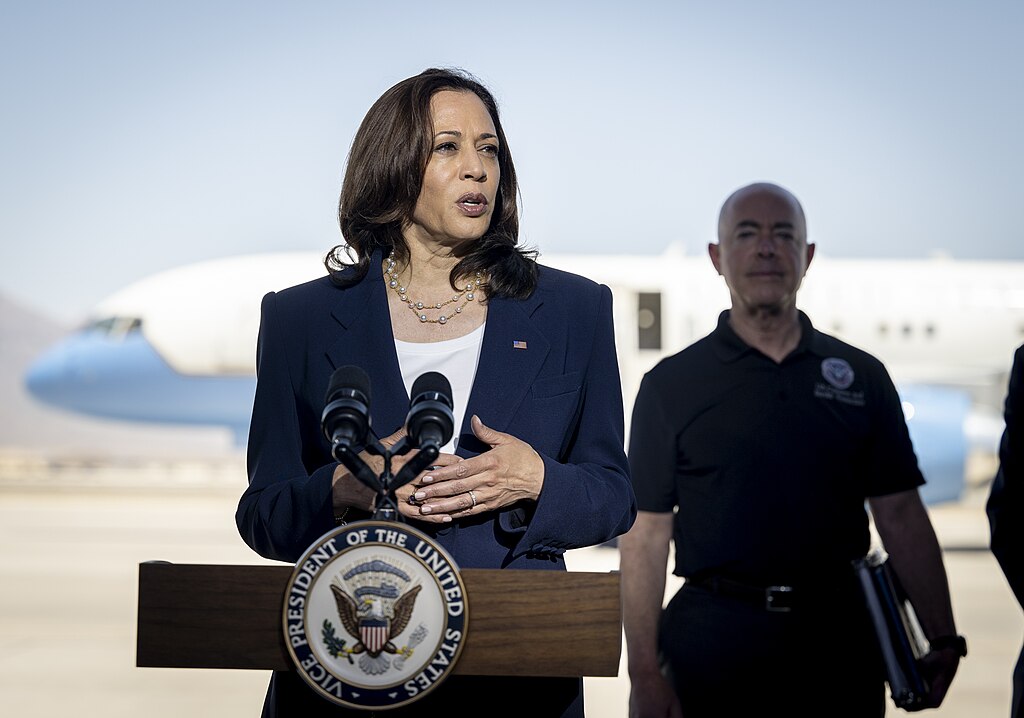
New revelations from the 2024 presidential race are resurfacing uncomfortable questions about how former Vice President Kamala Harris assembled her failed campaign — and what went on behind closed doors as she scrambled to choose a running mate.
According to reporting later detailed by CNN, Harris’s campaign subjected potential vice-presidential picks to an unusually aggressive vetting process, one that even startled longtime Democrats.
One of those under scrutiny was Minnesota Governor Tim Walz.
Before selecting Walz as her running mate, campaign officials reportedly questioned him about his past travel to China — including whether he had ever acted on behalf of a foreign government. Walz flatly denied any such role.
The concern stemmed from Walz’s time before entering politics. In the late 1980s, shortly after the Tiananmen Square crackdown, Walz spent time teaching in China. Over the years, he also returned multiple times while leading student trips, a history that campaign aides reportedly examined closely during vetting.
But Walz wasn’t the only contender caught off guard.
Pennsylvania Governor Josh Shapiro later revealed in his forthcoming memoir that he faced what he described as deeply offensive questions during the same process. Shapiro wrote that a senior member of Harris’s vetting team directly asked whether he had ever been an “agent of a foreign government.”
Shapiro, who is Jewish, said the question immediately raised red flags and echoed long-standing accusations of “dual loyalty” that many view as antisemitic.
In his account, Shapiro said the questioning continued, including follow-ups about whether he had ever communicated with undercover agents. He said he forcefully objected, making clear the line of inquiry was inappropriate.
While Shapiro acknowledged that staff members were likely following instructions, he wrote that the fact such questions were asked at all revealed serious problems inside Harris’s inner circle.
Several prominent Jewish leaders later condemned the reported questioning, calling it a textbook example of antisemitic stereotyping.
Harris’s team also reportedly pressed Shapiro over his public opposition to antisemitism on college campuses, including his criticism of the University of Pennsylvania for its handling of anti-Israel protests. Sources familiar with the process said campaign officials worried his outspoken stance could become a political liability amid growing divisions inside the Democratic Party.
Ultimately, Harris passed over Shapiro.
In her own post-campaign reflections, Harris suggested she believed Shapiro might struggle in a supporting role as vice president — a claim Shapiro later dismissed through aides as “simply ridiculous.”
Instead, Harris selected Walz, praising his Midwestern background, military service, and appeal to working-class voters.
The strategy failed.
Donald Trump went on to reclaim the White House by a wide margin, a loss that has since fueled renewed criticism of Harris’s rushed decision-making and internal dysfunction.
As new details continue to surface, the 2024 campaign is increasingly being viewed as a cautionary tale — one marked by mistrust, poor judgment, and a vetting process that alienated key allies instead of strengthening the ticket.
With Shapiro’s memoir set for release, the fallout from Kamala Harris’s failed campaign appears far from over.