How will Obama respond?
The debate over voter ID laws, election integrity, and the SAVE Act is reaching a boiling point in Washington — and the White House says the facts are not on Democrats’ side.
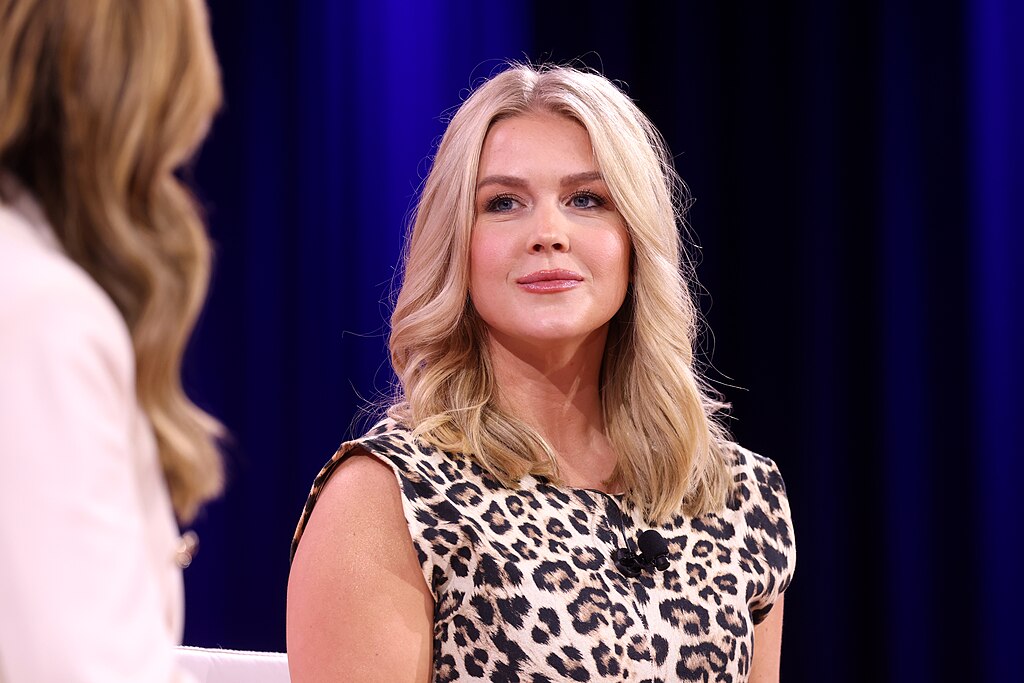
White House Press Secretary Karoline Leavitt publicly challenged former President Barack Obama this week after he urged lawmakers to reject national voter ID requirements.
According to Leavitt, the American people overwhelmingly support stronger election safeguards — and the numbers back that up.
Polls Show Strong Support for Voter ID Laws
Leavitt pointed to polling showing that roughly 80% to nearly 90% of Americans support requiring photo identification to vote in federal elections.
For millions of Americans — especially older voters who have watched decades of election disputes unfold — that level of support reflects something simple: confidence in the system matters.
Election integrity remains one of the most searched and discussed political issues heading into the midterm elections under President Donald Trump.
What Is the SAVE Act?
The House of Representatives recently passed the SAVE Act — short for Safeguard American Voter Eligibility — a sweeping election reform bill aimed at strengthening federal voting standards.
If enacted, the legislation would:
- Require photo ID for voting in federal elections
- Improve verification of citizenship on voter rolls
- Increase coordination between states and federal authorities
- Allow investigation of non-citizens registered to vote
Supporters say the bill reinforces common-sense protections that most Americans already follow in daily life.
Obama Warns of “Disenfranchisement”
Obama argued that stricter ID laws could make voting more difficult for some Americans, claiming they may face obstacles obtaining proper documentation.
Democrats have long maintained that federal voter ID mandates risk discouraging participation.
But critics say that argument clashes with everyday reality.
The Photo ID Moment That Sparked Debate
In a widely circulated example, Obama himself presented a driver’s license when voting in the 2012 election. That moment has resurfaced as Republicans question why photo identification is considered routine in so many settings — but controversial at the ballot box.
Americans must show ID to:
- Board an airplane
- Purchase alcohol
- Enter many federal buildings
- Pick up prescriptions
- Conduct banking transactions
Supporters of the SAVE Act argue that voting — one of the most sacred rights in the country — deserves at least the same level of verification.
Why This Matters for the Midterm Elections
With midterm elections approaching, control of Congress could hinge on voter turnout and election security policies.
If the SAVE Act passes the Senate, it could reach President Trump’s desk in time to impact federal election procedures.
For many Americans over 50, who remember when election disputes were rare and confidence was higher, the issue is deeply personal. They want assurance that every legal vote counts — and only legal votes count.
The Bigger Question
At its core, the voter ID debate is about trust.
Should federal elections require identification standards similar to everyday activities? Or does a national mandate create unnecessary barriers?
As Washington continues the fight, one thing is clear: election integrity will remain a defining issue of this political era.
And with overwhelming public support for voter ID laws, the pressure on the Senate is only growing.