This was surprising to see.
A high-profile clash between corporate leadership and the White House is drawing national attention — and it could have major implications for the future of media, streaming, and federal antitrust enforcement.
Ted Sarandos, co-CEO of Netflix, rejected calls from President Donald Trump to remove former diplomat Susan Rice from the company’s board of directors.
The exchange comes as Netflix pursues a massive acquisition of Warner Bros. Discovery — a deal reportedly valued at $70 billion and currently under regulatory review.
Trump Responds to Corporate Governance Dispute
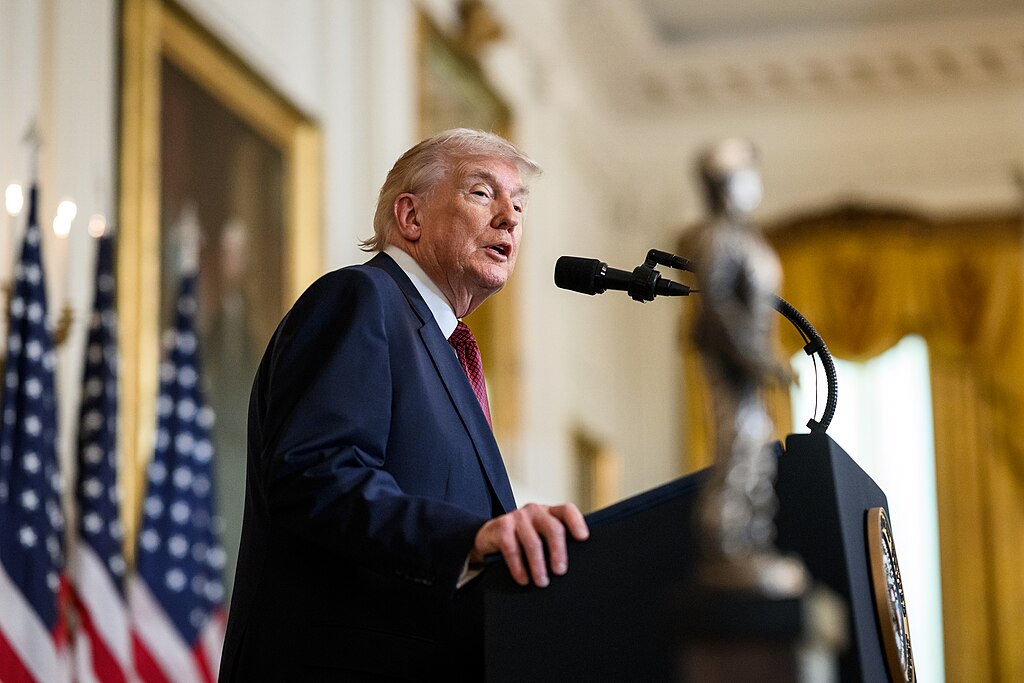
President Trump recently posted on Truth Social questioning Rice’s role at Netflix and suggesting the company should reconsider her position.
The president’s remarks followed commentary from conservative activist Laura Loomer, who criticized Rice’s recent public statements regarding corporate behavior and political accountability.
Rice had warned in a podcast interview that companies aligning too closely with any political faction could face scrutiny if power shifts in Washington.
Netflix CEO: “This Is a Business Deal”
Speaking to BBC Radio 4, Sarandos emphasized that the Warner Bros. Discovery acquisition is a commercial transaction — not a political statement.
“This is a business deal,” Sarandos explained, noting that any merger of this scale must go through review by the U.S. Department of Justice and international regulators.
For investors, this is the key issue. Large-scale mergers in the media and technology sectors are subject to strict antitrust oversight, especially when market share and competition are involved.
The $70 Billion Streaming Merger Explained
The proposed Netflix–Warner Bros. Discovery transaction would significantly reshape the entertainment industry.
Warner Bros. Discovery controls major assets including film studios, television networks, and global streaming platforms. If approved, the merger could alter competition in:
- Streaming services
- Cable and broadcast television
- Film production and distribution
- Global content licensing
At the same time, Paramount Global — backed by Skydance CEO David Ellison — is reportedly exploring its own deal involving Warner assets, adding another layer of corporate maneuvering.
Why the Department of Justice Matters
Any merger of this magnitude requires approval from President Trump’s Department of Justice.
The DOJ’s antitrust division plays a central role in determining whether large acquisitions limit consumer choice or unfairly consolidate market power. Recent leadership changes inside the department have added further attention to ongoing merger reviews across the tech and media industries.
For retirees and long-term investors, these regulatory decisions can affect:
- Stock valuations
- Dividend stability
- Market competition
- Subscription pricing
Corporate America and Political Pressure
In today’s climate, major corporations increasingly find themselves navigating political scrutiny from both parties.
For Americans who remember when businesses largely stayed out of political disputes, this represents a significant shift. Corporate governance decisions are now debated publicly, often amplified through social media platforms and cable news.
However, Sarandos made clear that Netflix intends to treat the Warner deal strictly as a financial and strategic matter — not a partisan issue.
What This Means for Investors and Viewers
If approved, the Netflix–Warner Bros. Discovery merger could reshape the streaming wars, potentially influencing:
- Monthly subscription costs
- Content availability
- Advertising revenue models
- Market competition with platforms like YouTube
At the same time, increased consolidation may trigger deeper scrutiny from federal regulators concerned about competition and consumer impact.
For viewers, the outcome could determine which companies control the entertainment landscape for the next decade.
For investors — particularly those managing retirement portfolios — the stakes are financial as well as political.
Final Thoughts
The dispute between President Trump and Netflix leadership highlights a broader national conversation about corporate governance, regulatory oversight, and political influence in American business.
While the social media headlines may grab attention, the ultimate decision on the Warner Bros. Discovery acquisition will rest with federal regulators — not political commentary.
And in today’s media environment, that distinction matters more than ever.