This was surprising to hear for many Americans.
President Donald Trump made a surprising comment about rising oil prices this week, acknowledging that the United States can actually benefit economically when global energy prices increase.
The remarks came as tensions in the Middle East continue to push oil markets higher and Americans grow increasingly concerned about the impact on gas prices.
In a post on Truth Social Thursday, Trump pointed out that America’s status as the largest oil producer in the world changes how the country experiences rising oil prices.
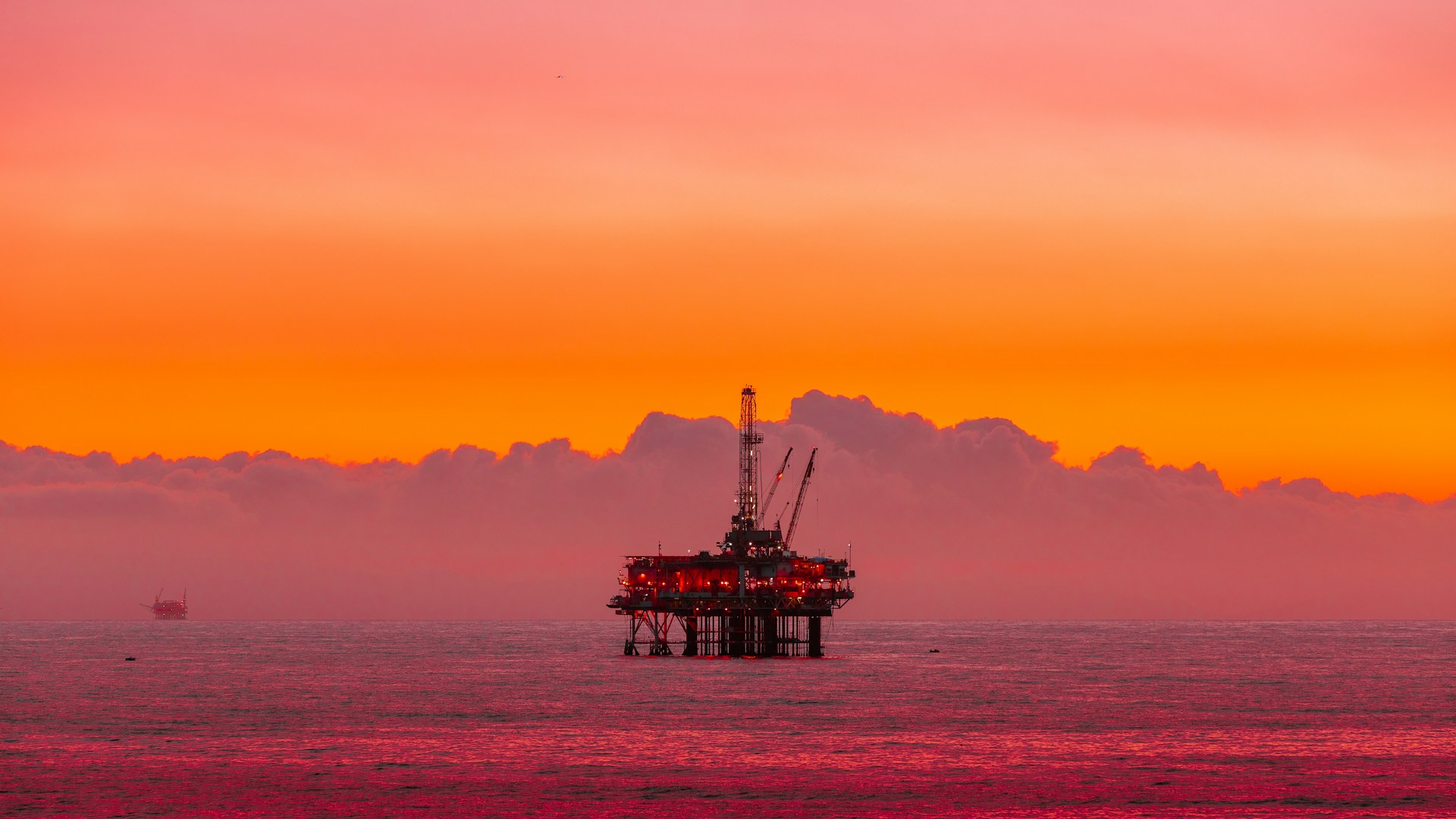
“The United States is the largest Oil Producer in the World, by far, so when oil prices go up, we make a lot of money,” Trump wrote.
However, the president emphasized that his top priority remains national security—not oil profits.
“Of far greater interest and importance to me as President is stopping Iran from having nuclear weapons and threatening the Middle East and the world,” Trump added.
Oil Prices Climb As Iran Conflict Continues
Global oil prices have surged since the United States launched military operations targeting Iranian threats earlier this month.
Brent crude oil—the global benchmark for energy prices—was trading near $98 per barrel Thursday morning, up roughly 4.7 percent for the day.
Just one day earlier, prices briefly crossed the $100 per barrel mark, a key psychological threshold for energy markets.
Energy analysts say the spike reflects growing fears that instability in the Middle East could disrupt global oil supplies.
The Strait of Hormuz Remains Critical
Much of the concern centers on the Strait of Hormuz, one of the most important energy shipping routes in the world.
The narrow waterway connects the Persian Gulf to the Gulf of Oman, and about 20 percent of the world’s oil supply passes through it.
If the strait were significantly disrupted, energy experts say global oil prices could rise even further.
Despite those concerns, President Trump told reporters Wednesday that the situation is currently under control.
“The straits are in great shape,” Trump said. “We’ve knocked out their boats. They have some missiles, but not very many. I think we’re in very good shape.”
Americans Concerned About Rising Gas Prices
While global energy markets react to the geopolitical situation, many Americans are focused on a more immediate concern: gas prices at the pump.
A new Reuters/Ipsos poll released Monday found that 67 percent of Americans expect gas prices to rise over the next year.
Only 11 percent believe prices will go down, while 12 percent expect prices to stay about the same.
Historically, spikes in crude oil prices tend to ripple across the entire economy, increasing costs for transportation, airline travel, and shipping.
Energy Secretary Warns Of “Short-Term Pain”
Energy Secretary Chris Wright acknowledged that Americans may feel temporary pressure from higher energy costs.
Speaking with CNN on Thursday, Wright said confronting Iran’s military capabilities could create short-term economic challenges but may improve long-term stability.
“We are reducing Iran’s ability to threaten American troops, our allies, and global energy markets,” Wright said.
“So yes, there may be some short-term pain to solve a long-term problem.”
The Bottom Line
The recent surge in oil prices highlights the complicated relationship between global energy markets, national security, and the American economy.
While higher oil prices can benefit U.S. energy production, they can also lead to higher fuel costs for American families.
For the Trump administration, the focus remains on preventing Iran from destabilizing the region—even as energy markets continue to react.
As the conflict unfolds, both oil prices and gas prices in the United States will remain key issues Americans are watching closely.