Here’s what happened.
President Donald Trump is drawing attention after comments suggesting that individual states—not the federal government—should take primary responsibility for funding child care programs.
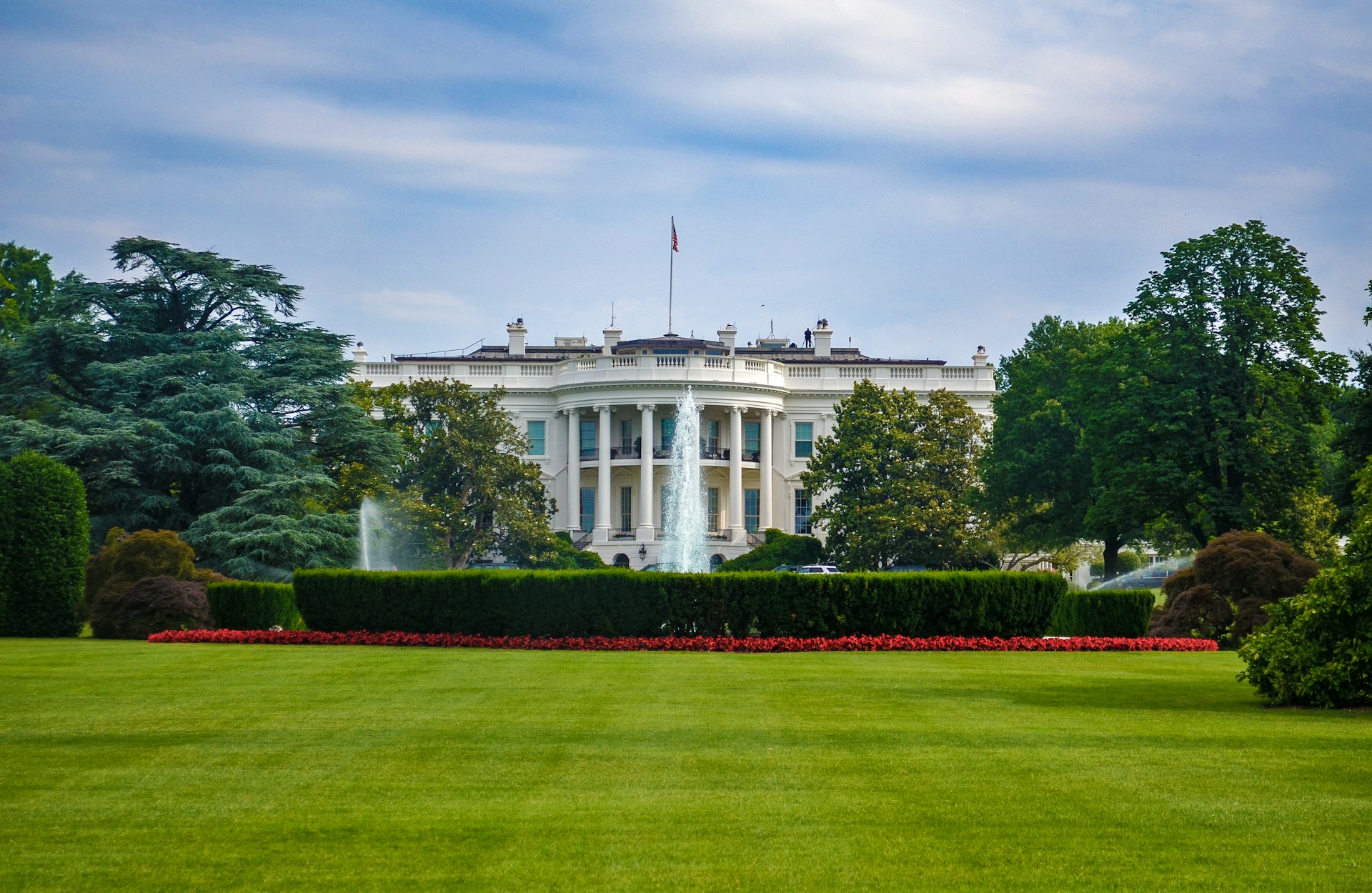
Speaking during an Easter event at the White House, Trump emphasized that Washington must prioritize national security and fiscal responsibility, rather than expanding federal spending on social programs.
Trump: States Should Handle Child Care Funding
During his remarks, Trump made it clear he believes child care policy should be managed at the state level.
“The United States can’t take care of day care at the federal level,” Trump said. “We’re a large country with many responsibilities. This is something states should handle—and fund.”
The federal government currently spends roughly $30 billion annually on child care programs, but Trump suggested that expanding that role further is not sustainable.
He added that states choosing to expand services may need to raise their own revenue, while the federal government could potentially reduce its tax burden on Americans.
Focus on National Priorities
Trump stressed that the federal government’s primary responsibility should remain national defense and security, especially during a time of global instability.
“We’re focused on protecting the country,” he said, noting that large-scale domestic programs can strain federal resources.
This approach reflects a broader policy view that local governments are better equipped to manage programs like child care, Medicaid, and Medicare based on their populations and economic conditions.
Different Approaches Across the Country
States are already taking very different paths when it comes to child care policy.
- New Mexico has introduced a form of universal child care, funded largely by oil and gas revenue.
- New York and Washington have explored higher taxes on top earners to support expanded programs.
- Other states continue to rely heavily on federal funding to support working families.
However, experts note that not every state has the same financial resources as energy-rich regions like New Mexico, making nationwide replication challenging.
High Population States Face Bigger Costs
Large states such as California, Texas, Florida, and New York receive some of the highest levels of federal child care funding.
Because of their size and population density, implementing universal programs can be significantly more complex and costly.
Data from nonprofit research groups shows that a large share of families receiving federal assistance are concentrated in just a few states—highlighting the uneven demand across the country.
Increased Oversight on Federal Spending
The Trump administration has also focused on reducing waste and improving oversight in federal child care funding.
Officials have proposed:
- Stronger verification requirements for providers
- Reviews of existing payment structures
- Reconsideration of policies that limit how much families contribute
Earlier this year, funding for several states was temporarily paused following concerns about improper payments, though those funds were later restored after court intervention.
What This Means for Families
The debate ultimately comes down to a key policy question:
Should child care be primarily funded and managed by the federal government—or by individual states?
Supporters of Trump’s approach argue that state-level control allows for more flexibility and accountability, while critics believe federal involvement ensures more consistent access nationwide.
The Bottom Line
Trump’s comments highlight a growing divide over how major programs should be funded in the United States.
As discussions continue, decisions made at both the state and federal level could have a significant impact on child care costs, taxes, and access for millions of American families.