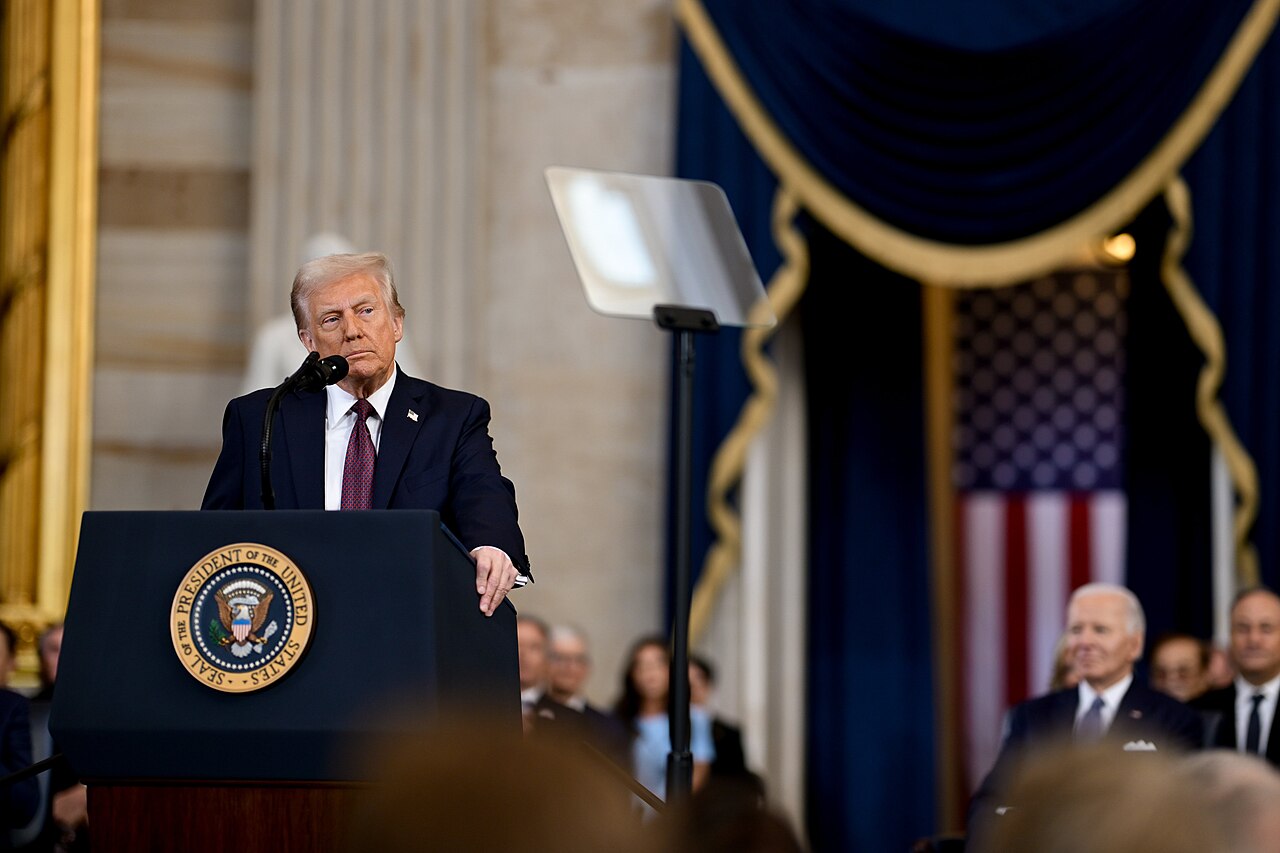
Here’s Trump’s plan.
President Donald Trump has unveiled a sweeping new federal budget—and it’s sending a clear message: America is shifting back to strength, security, and self-reliance.
The proposed fiscal year 2027 plan includes a staggering $1.5 trillion in defense funding, paired with major cuts to domestic agencies long criticized for waste and inefficiency.
Supporters say it’s overdue. Critics say it’s drastic.
But one thing is certain: this budget could reshape America’s priorities for years to come.
A Record-Breaking Military Investment
At the center of the proposal is a historic expansion of U.S. military funding.
The plan includes:
- $1.1 trillion in base defense spending
- $350 billion in additional mandatory funding
Combined, that brings total defense resources to roughly $1.5 trillion—one of the largest national security investments in U.S. history.
The goal? Rebuild military readiness and deter rising threats from China, Russia, and global instability.
Rebuilding America’s Arsenal and Industrial Power
For years, defense experts have warned that America’s weapons stockpiles and manufacturing capacity were falling behind.
This budget directly addresses those concerns.
Key priorities include:
- Rapid expansion of munitions production
- Strengthening the U.S. defense industrial base
- Continued nuclear modernization
Naval power also gets a major upgrade:
- $65.8 billion allocated for shipbuilding
- 18 battle force ships + 16 additional vessels
This signals a renewed focus on maritime dominance, especially in contested regions.
Next-Generation Warfare: AI, Drones, and the F-47
The Trump administration is also betting big on future warfare technology.
The budget increases funding for:
- Artificial intelligence in defense systems
- Drone and counter-drone capabilities
- Advanced autonomous aircraft
A standout project is the F-47 fighter jet, a sixth-generation aircraft designed to operate alongside unmanned systems. Early projections suggest a possible first flight by 2028.
Also included: continued development of the “Golden Dome” missile defense system, aimed at protecting the U.S. homeland using space-based technology.
Domestic Spending Cuts: A Major Reset
To balance the surge in defense spending, the budget proposes a 10% cut to non-defense discretionary spending.
That brings domestic funding down to about $660 billion.
Several agencies face significant reductions:
- NASA: -$5.6 billion
- State Department: -$15.5 billion
- EPA: cut by more than 50%
- Labor Department: -$3.5 billion
- HUD: -$10.7 billion
Supporters argue these cuts eliminate waste and refocus government on core priorities like safety, infrastructure, and national defense.
Border Security and Law Enforcement Take Priority
The budget also reinforces one of President Trump’s signature issues: border security.
Funding supports:
- Continued border wall construction
- Expanded detention capacity
- Stronger immigration enforcement operations
The Department of Justice would receive $40.8 billion—a 13% increase—to combat:
- Violent crime
- Drug trafficking
- Cartel activity
Additional funding also strengthens the Coast Guard and supports ongoing military operations at the southern border.
Foreign Aid Slashed, America-First Focus Expanded
In a major policy shift, the proposal reduces foreign aid spending by about 30%.
Cuts impact:
- Global health programs
- Humanitarian aid
- International organizations
Instead, the administration introduces a $5 billion strategic fund to:
- Support key allies
- Expand U.S. defense exports
- Strengthen national security partnerships
This reflects a broader move toward “America First” spending priorities.
Economic Security = National Security
The budget goes beyond defense—it ties America’s economic future directly to national security.
Key investments include:
- Domestic production of critical minerals
- Strengthening supply chains
- Advanced AI supercomputing systems
The goal is simple: reduce dependence on foreign adversaries and bring critical industries back home.
What Happens Next?
The proposal now heads to Congress, where fierce debate is expected.
Democratic leaders have already pushed back, arguing the cuts go too far. But supporters say the plan reflects what many Americans have been demanding for years:
👉 A stronger military
👉 Safer communities
👉 Less government waste
👉 More focus on American interests
The Bottom Line
President Trump’s $1.5 trillion budget isn’t just a spending plan—it’s a blueprint for a stronger, more secure America.
By prioritizing defense, border control, and economic independence, the administration is making a high-stakes bet:
That strength at home and abroad is the key to long-term prosperity.