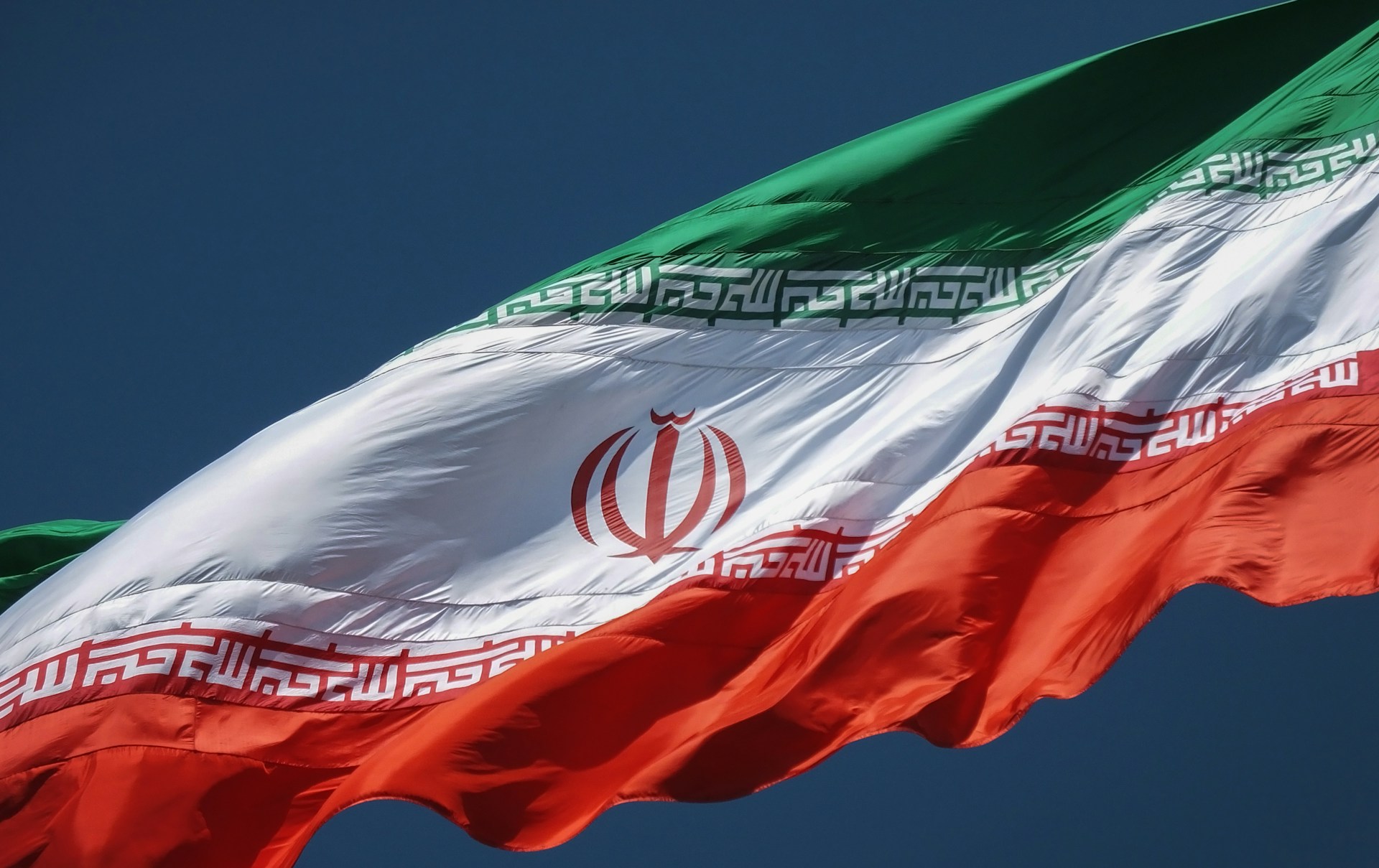
This was a terrible decision by Iran.
A new escalation involving Iran and the Strait of Hormuz is raising serious concerns about global oil supply, rising gas prices, and the stability of the U.S. economy.
With tensions increasing by the hour, many Americans are now asking: Is Iran sending mixed signals while negotiations continue with President Donald Trump?
Iran Tightens Control Over Critical Oil Route
Iran’s Islamic Revolutionary Guard Corps (IRGC) announced Saturday that it is reimposing “strict control” over the Strait of Hormuz—a vital global shipping lane responsible for nearly 20% of the world’s oil supply.
This move comes despite earlier statements from Iranian Foreign Minister Abbas Araghchi suggesting the waterway would remain open during the temporary ceasefire.
Now, Iran says control will remain tight until the United States removes its naval presence in the region.
Gunboats Open Fire As Tensions Rise
The situation escalated further when the United Kingdom Maritime Trade Operations reported that Iranian gunboats fired on a commercial tanker traveling through the strait.
While no injuries were reported, the incident highlights just how unstable the situation has become.
Iran later confirmed it targeted vessels that allegedly ignored its authority—raising alarms across global shipping and energy markets.
Gas Prices Jump As Oil Supply Concerns Grow
The Strait of Hormuz plays a critical role in global energy markets, and any disruption immediately impacts oil prices worldwide.
As tensions rise:
- Oil supply concerns are increasing
- Gas prices are climbing above $4 per gallon in some areas
- Inflation fears are returning
For American families—especially retirees and those on fixed incomes—these rising costs are hitting hard.
Trump Responds: “They Can’t Blackmail Us”
President Trump responded firmly to Iran’s latest actions, making it clear the U.S. will not be pressured.
“They’ve tried this before,” Trump said. “They think they can use the Strait of Hormuz as leverage—but they can’t blackmail us.”
Despite Iran’s shifting stance, Trump confirmed the U.S. naval blockade remains in place while negotiations continue.
High-Stakes Negotiations Continue Behind The Scenes
Diplomatic talks between the U.S. and Iran are ongoing, with mediation efforts led by Mohammad Ishaq Dar.
Officials say progress is being made, especially following a separate ceasefire agreement involving Israel and Lebanon.
However, the clock is ticking.
If no agreement is reached before the current ceasefire expires, the Trump administration has indicated that military action—including possible airstrikes—remains an option.
What This Means For The U.S. Economy
This crisis is about more than foreign policy—it directly affects everyday Americans.
If tensions continue:
- Gas prices could rise even higher
- Supply chain disruptions may worsen
- Inflation could increase again
The Strait of Hormuz remains one of the most important chokepoints in the world, and instability there often leads to economic ripple effects across the globe.
Bottom Line: A Critical Moment Ahead
Iran’s latest move raises serious questions about its intentions during negotiations.
Is this a strategic pressure tactic—or a sign that talks could break down?
For now, President Trump appears committed to a tough stance, betting that strength will lead to results.
But with energy markets on edge and global tensions rising, the next few days could prove critical for both global stability and the U.S. economy.