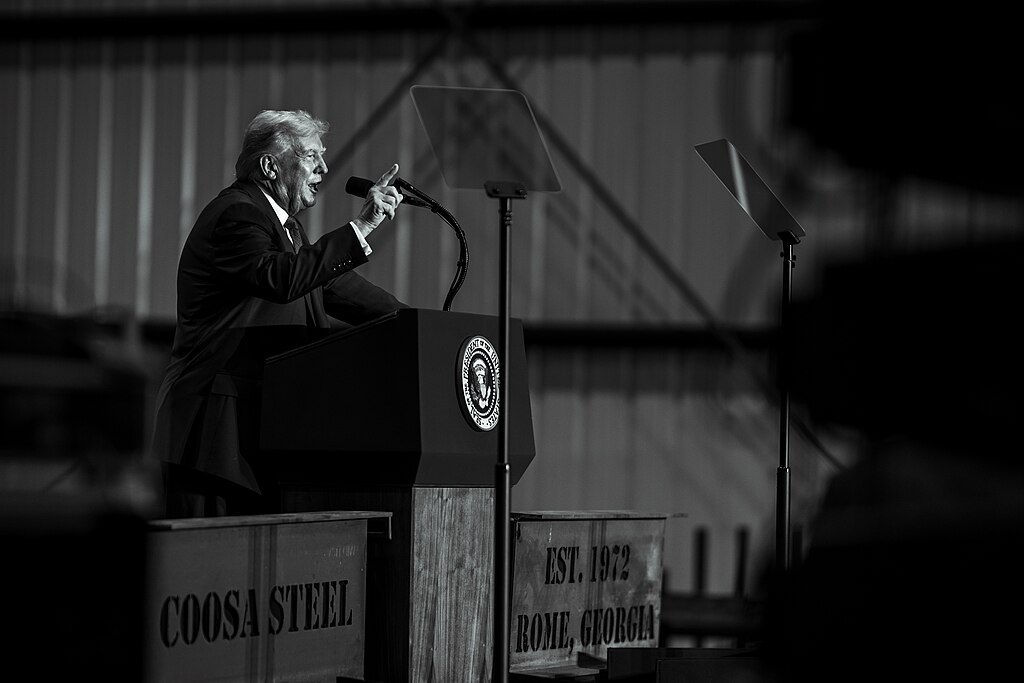
Trump is not playing games with anyone who dislikes America.
Cuba’s communist government is facing one of the most serious threats to its survival in decades — and President Donald Trump’s energy crackdown is at the center of the pressure.
The Trump administration’s fuel quarantine is designed to cut off the oil lifeline that keeps Havana’s regime operating. Supporters say the move directly targets the communist leadership that has ruled the island for over 60 years.
Critics warn of humanitarian strain.
But one thing is undeniable: the pressure campaign is escalating.
Trump’s Cuba Strategy: Economic Pressure With a Purpose
President Trump has made clear that his goal is not symbolic sanctions — it’s leverage.
By restricting large-scale fuel deliveries to the island, the administration is applying economic pressure to force structural change inside Cuba’s centralized communist system.
Cuba requires an estimated 22,000 barrels of fuel per day to maintain basic services. Current authorized shipments are only a fraction of that amount — largely limited to humanitarian or private commercial allowances.
Energy experts warn that if no major tanker arrives soon, fuel reserves could be critically depleted.
That moment, some analysts say, would mark a true turning point.
Decades of Socialist Mismanagement Catch Up
Cuba’s economic problems did not begin with President Trump.
The island has endured years of food shortages, electricity blackouts, weak infrastructure, and strict government control over private enterprise.
Now, fuel shortages are compounding those long-standing issues.
Without steady diesel supplies:
- Food deliveries slow down
- Water systems struggle without electric pumps
- Hospitals face added strain
- Public transportation becomes unreliable
Millions of Cubans depend on stable energy to access medical treatments, particularly those with chronic illnesses.
The humanitarian impact is real — but so is the long history of communist economic failure.
Marco Rubio Emerges as Key Player
Secretary of State Marco Rubio has taken a central role in shaping U.S. policy toward Cuba.
As the son of Cuban immigrants and a longtime critic of Havana’s communist leadership, Rubio has emphasized that any path forward must include greater economic freedom for the Cuban people.
“Cuba needs change,” Rubio stated recently. “It doesn’t have to happen all at once — but it must happen.”
Reports suggest quiet diplomatic contacts may be taking place behind the scenes, though the administration is not publicly demanding immediate regime collapse.
Instead, the focus appears to be conditional reform.
Is a “Friendly Transition” Possible?
President Trump recently floated the idea of a potential “friendly” outcome — one where structural reform occurs without total governmental breakdown.
Some foreign policy observers compare the situation loosely to Venezuela, where leadership shifts occurred under heavy U.S. pressure while parts of the state apparatus remained intact.
However, Cuba’s leadership structure is tightly centralized and ideologically unified. Deviation from official doctrine has historically been met with strict consequences.
That makes predictions difficult.
Russian and Chinese Influence in the Crosshairs
One key element of President Trump’s executive order on Cuba highlights foreign influence on the island — specifically Russian and Chinese involvement.
For many conservatives, Cuba’s proximity to Florida makes that concern especially urgent.
Any future easing of sanctions could hinge on whether Havana reduces those external partnerships.
Rising Tensions — But Diplomacy Still Open
A recent confrontation at sea involving Cuban authorities and U.S.-connected individuals briefly raised concerns about escalating tensions.
However, both governments have since issued statements aimed at stabilizing the situation.
Analysts believe ongoing communication channels remain open.
For now, the administration appears focused on economic leverage rather than direct confrontation.
The Big Question: Will Pressure Force Reform?
The Cuban government has survived multiple crises over the past six decades.
But today’s conditions are different:
- Severe fuel shortages
- Deteriorating infrastructure
- Increased global scrutiny
- Strong U.S. enforcement
- Limited financial flexibility
Some experts argue the regime may eventually accept economic concessions to maintain power.
Others believe it will resist to the end.
What is clear is that President Trump’s strategy has placed America’s longtime communist adversary under significant strain.
Why This Matters to Americans 50+
For older Americans who remember the Cold War, Cuba represents more than just a foreign policy issue.
It represents:
- A nearby communist regime
- Decades of political hostility
- Strategic concerns in America’s backyard
The current standoff could shape:
- Caribbean security
- U.S.–Latin America relations
- Immigration trends
- Geopolitical competition with China and Russia
With Florida politically influential and Cuban-American voters highly engaged, this issue carries domestic political weight as well.
Final Thoughts
For decades, U.S. presidents tried various approaches toward Cuba — engagement, isolation, negotiation.
President Trump has chosen pressure.
Whether that pressure leads to reform, instability, or negotiation remains to be seen.
But one thing is certain:
The clock is ticking in Havana.
And this time, the economic squeeze is tighter than ever.