Here’s what happened.
Louisiana Primaries Suddenly Halted After High Court Ruling
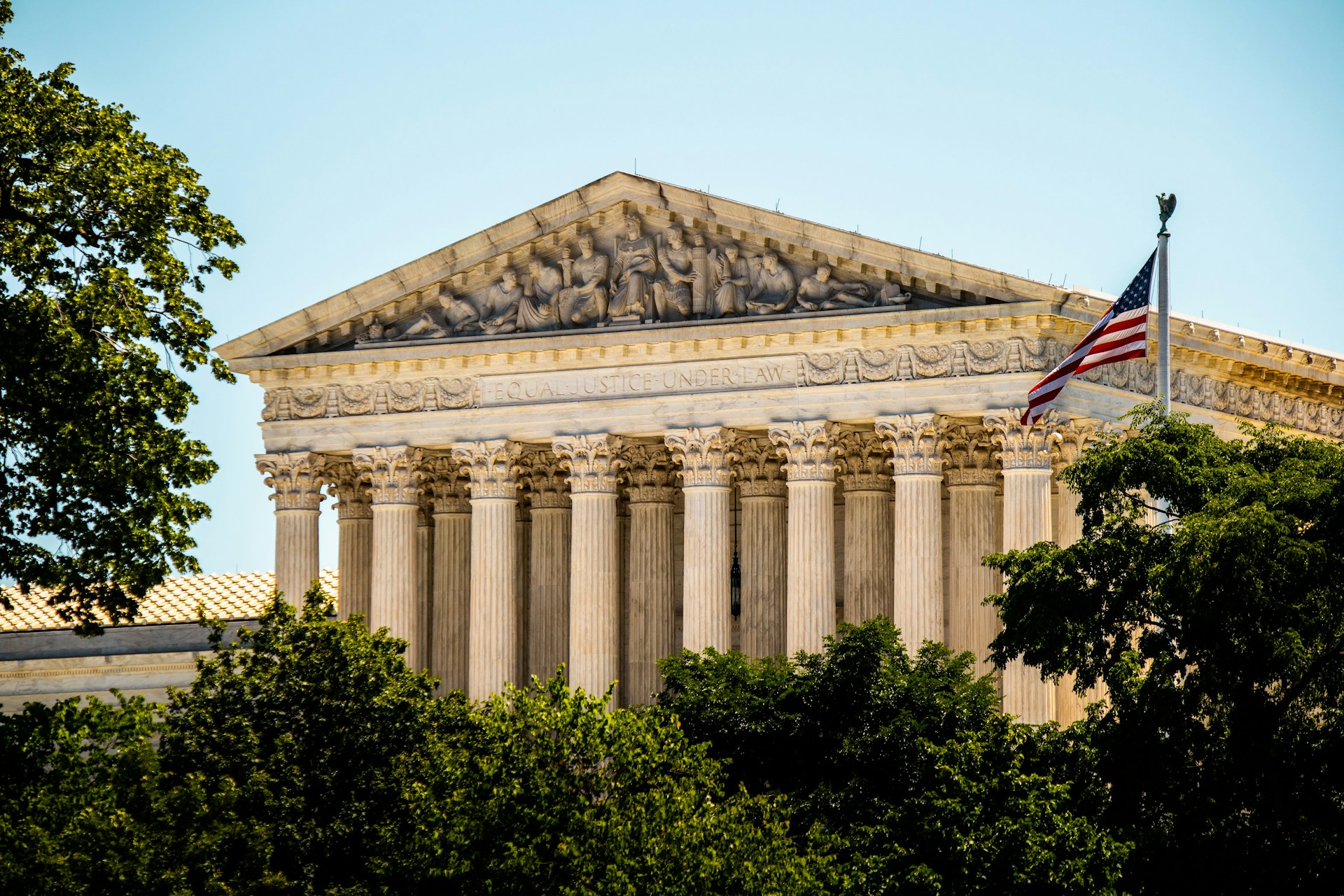
In a dramatic turn of events, the Supreme Court of the United States has forced Louisiana officials to hit the brakes on upcoming elections—leaving voters and candidates scrambling for answers.
Republican Governor Jeff Landry confirmed that the state will pause its May 16 congressional primaries after the court struck down Louisiana’s current congressional map.
State Leaders Scramble To Respond
In a joint statement with Attorney General Liz Murrill, Landry made it clear that the state has no choice but to act quickly.
“The state is currently unable to proceed with elections under the existing map,” officials said, adding that lawmakers are now working urgently to create a new plan.
With early voting just days away—and absentee ballots already in progress—the sudden shift has created a wave of uncertainty across the state.
What The Supreme Court Actually Ruled
In a narrow 6–3 decision, the Supreme Court ruled that Louisiana’s congressional map improperly relied on race when lawmakers created a second majority-Black district.
That map had originally been drawn following a federal court order in 2022—but the new ruling now overturns that approach, forcing the state back to the drawing board.
Candidates Caught Off Guard
Political campaigns were already ramping up when the announcement came down.
Republican candidate Misti Cordell, who is running for an open congressional seat, acknowledged the frustration—but also pointed out a silver lining.
Delaying the election now, she suggested, could prevent costly confusion and wasted campaign spending later if the map were challenged again.
Could Other Elections Be Impacted?
At this point, it’s still unclear whether the disruption will extend beyond congressional races.
Key contests—including a major U.S. Senate race—could potentially be affected depending on how quickly officials finalize a new map.
A Bigger Shift With National Implications
Many analysts see this ruling as more than just a Louisiana issue.
The decision could reshape how states handle redistricting nationwide—and may weaken parts of the Voting Rights Act that have guided map-drawing for decades.
Critics vs. Supporters: A Sharp Divide
Democrats argue the move risks confusing voters and disrupting the democratic process.
Supporters, however, say the ruling is about restoring fairness and ensuring elections follow constitutional standards—even if it means short-term disruption.
Why This Matters For Voters
Louisiana’s congressional balance has already shifted in recent years:
- Current delegation: 4 Republicans, 2 Democrats
- Previous map: 5 Republicans, 1 Democrat
That means any new map could once again reshape political power—not just in the state, but potentially in Washington.
The Bottom Line
With elections now on hold, Louisiana voters are left waiting as state leaders race to redraw district lines and reset the calendar.
One thing is certain: this Supreme Court decision has immediate consequences—and could have long-lasting effects across the country.