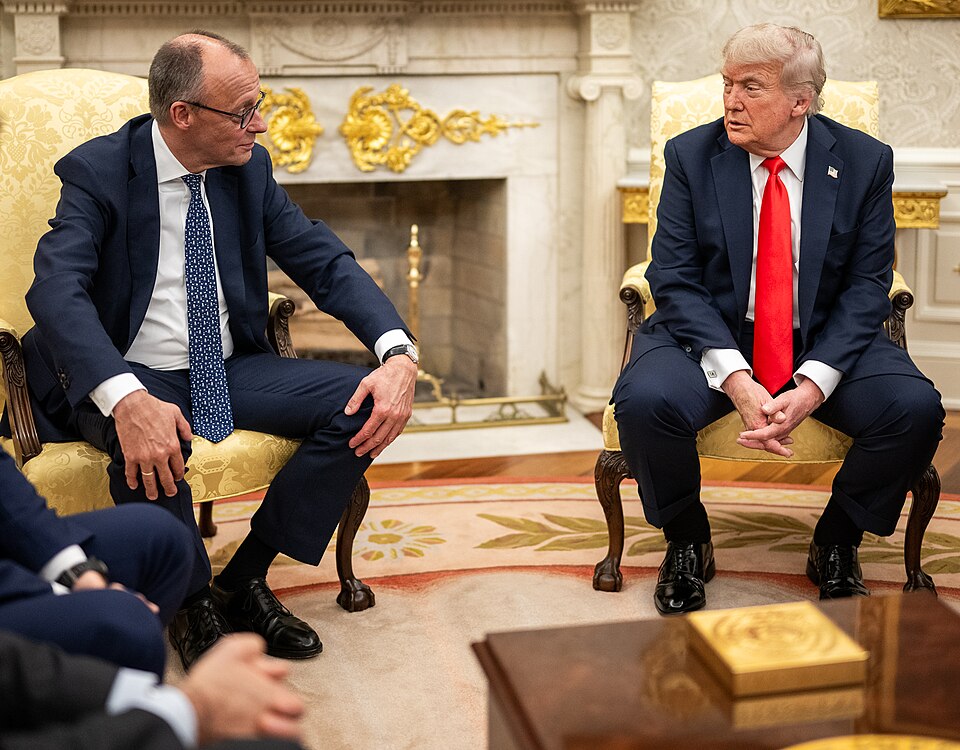
A major shift is unfolding on the world stage—and it could have serious consequences for America’s future, global stability, and even your wallet.
President Donald Trump is once again taking a hard stance against European allies, moving forward with plans to withdraw thousands of U.S. troops from Germany—while also escalating trade pressure and foreign policy disagreements.
For millions of Americans, especially seniors watching global tensions closely, this raises a critical question: Is this a smart correction—or a growing divide that could reshape the world order?
Trump Pushes Europe to Stand on Its Own
Germany’s defense minister, Boris Pistorius, reacted calmly to the announcement that approximately 5,000 U.S. troops will be removed.
Rather than panic, European leaders are increasingly acknowledging what President Trump has said for years: Europe must take responsibility for its own defense.
Pistorius even admitted that European nations need to step up—a clear sign that Trump’s long-standing pressure campaign is having an impact.
For American taxpayers, this could mean less financial strain supporting overseas military operations.
Foreign Policy Clash Deepens With European Leaders
The troop withdrawal is only one part of a larger conflict.
President Trump has grown increasingly frustrated with leaders like:
- Friedrich Merz
- Keir Starmer
- Pedro Sánchez
These leaders have resisted aligning with U.S. strategy in the Middle East—particularly regarding tensions with Iran.
Merz even criticized U.S. leadership, claiming America lacks direction—comments that have only widened the divide.
This disagreement signals something bigger: a growing fracture between America and Europe on global leadership.
Trade War Threat Looms Over Europe
At the same time, President Trump is turning up the heat economically.
He has accused the European Union of failing to honor trade commitments—and is now proposing 25% tariffs on European-made cars and trucks.
This is a direct hit at Germany’s powerful auto industry and could reshape global trade dynamics.
For American consumers, this could mean:
- More domestic production
- Stronger U.S. industry
- But also potential price shifts in the short term
U.S. Military Presence Still Strong—But Changing
Even with the planned withdrawal, the U.S. will maintain a major presence in Europe.
- Around 36,000 troops remain in Germany
- Total U.S. forces in Europe range between 80,000–100,000
These numbers increased after Russia’s invasion of Ukraine under Vladimir Putin, but now the Trump administration is reassessing that commitment.
Key bases like Ramstein Air Base will remain operational, ensuring America still has strategic reach.
Washington Reacts: Concern and Support
The decision has sparked debate in Washington.
Some lawmakers warn the move could:
- Weaken deterrence against Russia
- Send the wrong message globally
But others argue the opposite:
For decades, the U.S. has carried the burden of defending Europe—and President Trump is finally demanding fairness.
Even officials within NATO now admit that European nations must increase defense spending and take a larger role.
Why This Matters for Americans Over 50
This isn’t just foreign policy—it directly affects:
- National security
- Taxpayer spending
- Global stability
- Energy and economic markets
For older Americans who have lived through Cold War tensions and global conflicts, this shift may feel familiar—but the stakes are just as high today.
The Bottom Line: A Defining Moment in Global Leadership
President Trump’s actions signal a clear message:
America will no longer carry the world alone.
Whether this leads to a stronger, more balanced alliance—or deeper global divisions—remains to be seen.
But one thing is certain:
The relationship between the United States and Europe is changing—and the world is watching closely.