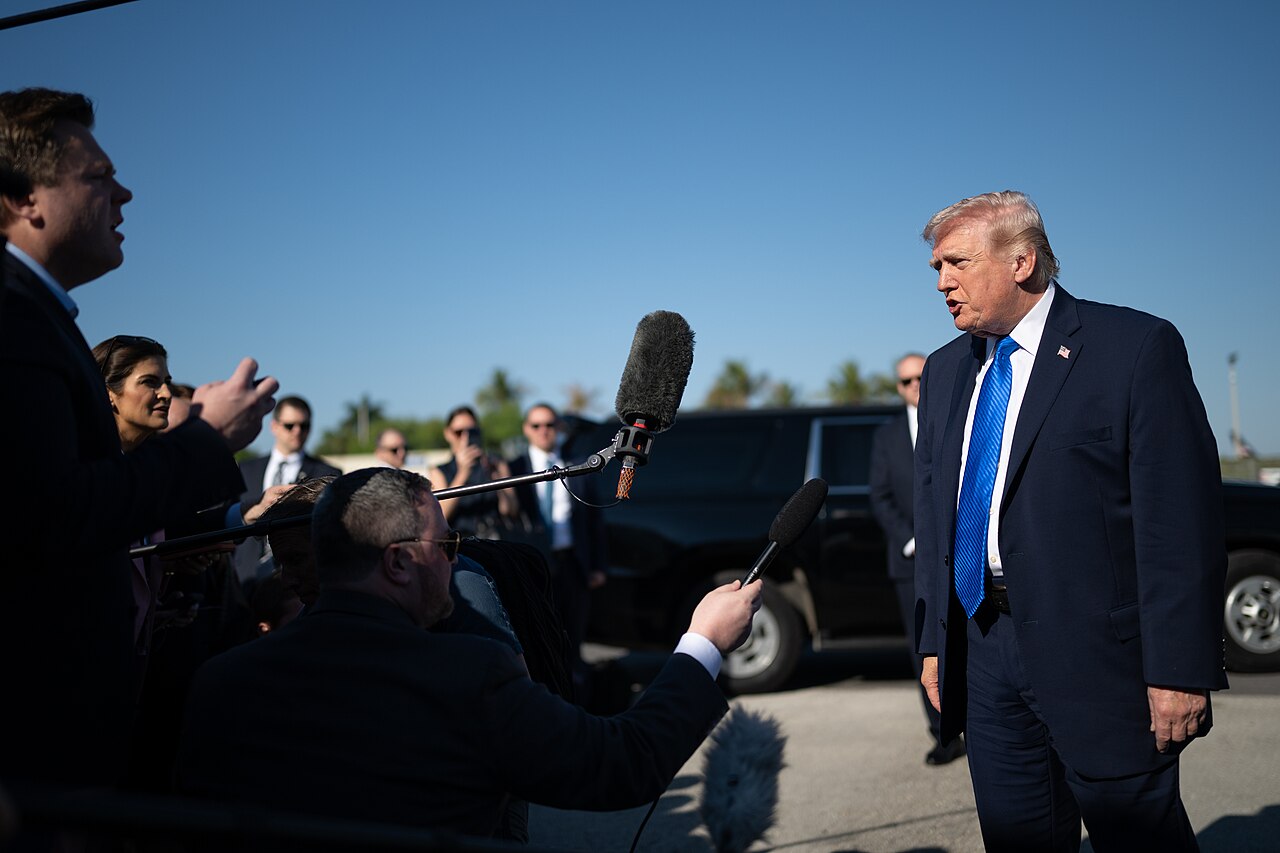
What will President Trump do?
Americans hoping for affordable summer vacations could soon be facing a painful reality at the airport.
Airline industry leaders are warning that ticket prices are expected to climb sharply as fuel costs surge following the growing conflict in the Middle East — a development that is now creating fresh political headaches ahead of the upcoming midterm elections.
Former Republican New Hampshire Governor Chris Sununu, who now serves as CEO of Airlines for America, said the rapid increase in jet fuel prices is already sending shockwaves through the airline industry.
Speaking Wednesday on NewsNation’s The Hill, Sununu explained that the price of jet fuel has skyrocketed since the United States and Israel intensified military operations involving Iran. The situation escalated further after Iran responded by restricting shipping activity through the Strait of Hormuz — one of the most important oil routes in the world.
Energy analysts say disruptions in the region immediately rattled global fuel markets, driving up costs for airlines, shipping companies, and consumers alike.
Federal transportation data shows just how severe the spike has become.
In March alone, U.S. airlines spent more than $5 billion on fuel, representing an increase of over 56 percent compared to February. Industry experts warn those higher operating costs are becoming nearly impossible for airlines to absorb long term.
Sununu admitted that carriers are desperately trying to avoid passing the full burden onto travelers, but he acknowledged price hikes are likely unavoidable.
“The airlines themselves will lose billions this year because they’re trying not to dump all of these costs onto the customer,” Sununu said. “But there will absolutely be price increases.”
To slow the financial damage, major airlines have already begun cutting flights, reducing routes, and increasing fees tied to baggage and travel services. Some carriers are also quietly scaling back discounts that many travelers had come to expect during slower travel seasons.
The warning comes at a difficult time for millions of Americans already dealing with stubborn inflation, elevated grocery prices, and high borrowing costs.
Travel experts now fear airline ticket increases could become another financial burden for middle-class families trying to plan vacations, reunions, and holiday travel later this year.
Sununu also cautioned that even if tensions in the Middle East ease, fuel prices may not immediately fall back to normal.
“When prices shoot up, it happens quickly,” he explained. “But they usually come down slowly because of the supply chain. Fuel still has to move from oil fields to refineries and eventually into airports across the country.”
According to Sununu, travelers may not see meaningful relief until late summer or early fall — assuming global shipping routes fully stabilize.
Airlines for America represents some of the nation’s largest carriers, including American Airlines, United Airlines, and Delta Air Lines. The organization also represents major cargo operators that play a critical role in the U.S. economy and supply chain system.
At the same time, another major development could put even more upward pressure on ticket prices.
Spirit Airlines, long known as one of America’s largest low-cost carriers, officially shut down operations after reported bailout discussions collapsed over the weekend. The airline’s closure removes a major discount competitor from the marketplace at a time when consumers are already struggling with rising costs.
Although Spirit accounted for only a small percentage of overall air travel, analysts believe fewer budget options could still push average fares higher nationwide.
Meanwhile, a new report from The Wall Street Journal revealed that advisers around President Donald Trump are growing increasingly concerned about the political fallout tied to rising fuel and travel costs ahead of the 2026 midterm elections.
According to the report, Sununu has privately warned administration officials that Americans tend to react strongly when everyday expenses — especially gas and travel — begin rising rapidly.
For many voters, airline prices are becoming yet another reminder that global instability can quickly hit household budgets back home.
Despite the growing uncertainty, Sununu encouraged Americans not to delay travel planning.
His message was simple: book flights sooner rather than later.
Travel experts generally recommend booking domestic flights between 60 and 90 days before departure, while international trips are often cheapest when reserved three to six months in advance.
“If you’re thinking about traveling, now is probably the time to book,” Sununu advised. “Historically, that 60-to-90-day window tends to give travelers the best value.”
With fuel prices rising, airline competition shrinking, and global tensions remaining high, many Americans may soon discover that waiting too long could come with a much bigger price tag.