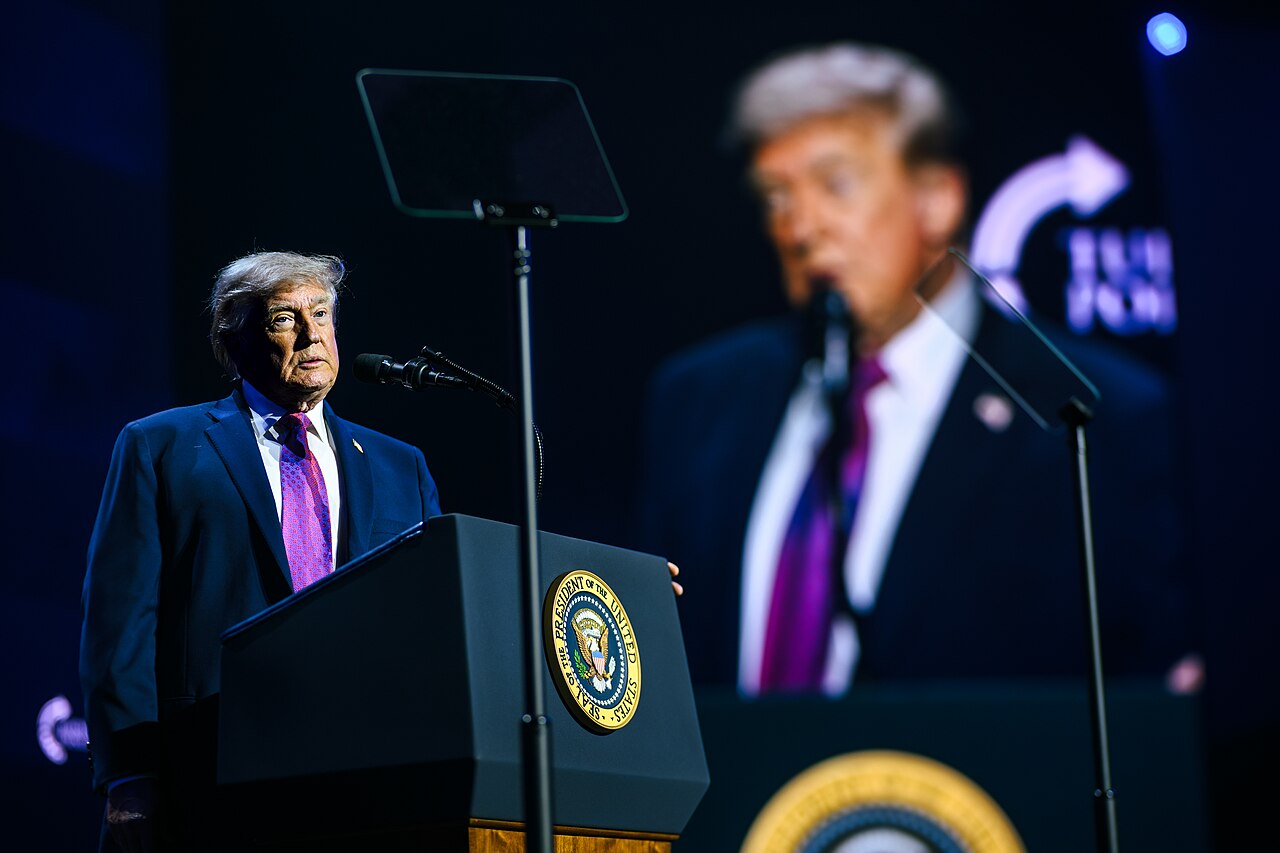
After years of demanding NATO allies do more to protect global security, President Donald Trump may finally be getting results.
As tensions in the Middle East continue threatening global energy supplies, key U.S. allies are now preparing to step into the fight to secure one of the world’s most critical shipping routes: the Strait of Hormuz.
The move comes after Trump repeatedly blasted European nations for depending too heavily on American military power while failing to defend their own economic interests.
Now, Britain and France appear ready to answer the call.
Britain Prepares Major Naval Operation
Off the coast of Gibraltar, British forces are loading advanced military equipment onto the RFA Lyme Bay, a large support ship expected to play a major role in a possible international mission near Iran.
The vessel is being packed with ammunition, underwater mine-clearing drones, sonar systems, and specialized military gear as crews prepare for possible deployment to the Persian Gulf.
British officials say the mission would focus on reopening safe shipping lanes after growing instability in the region disrupted global trade and energy markets.
The operation could eventually include dozens of allied nations working together under British and French leadership.
Trump Pressured Allies To Step Up
For months, Trump has publicly criticized NATO countries for failing to contribute enough to international security operations.
Earlier this year, the president delivered a blunt message to America’s allies, telling them to secure their own oil routes instead of relying entirely on the United States military.
“Go get your own oil,” Trump warned during remarks directed at NATO members.
That message sparked criticism from some foreign leaders at the time. But now, with energy prices rising and global shipping under pressure, several allies appear to be moving closer to Trump’s position.
Strait Of Hormuz Crisis Raises Global Alarm
The Strait of Hormuz remains one of the most important waterways on the planet.
A massive percentage of the world’s oil and natural gas shipments move through the narrow corridor every single day.
Following the outbreak of war involving Iran, shipping traffic in the region slowed dramatically, sending shockwaves through global markets and raising fears of long-term economic damage.
British military officials now believe the area could contain multiple types of naval mines capable of threatening commercial vessels.
Officials say some devices may sit on the ocean floor while others could react to sound, movement, or light.
Advanced Military Technology Being Deployed
To counter the threat, Britain is preparing to deploy cutting-edge underwater drone technology capable of scanning huge areas of the seabed far faster than traditional methods.
The autonomous systems use advanced sonar imaging to identify dangerous objects hidden underwater.
Military officials say remotely operated vehicles may also soon replace divers during some mine-clearing operations, helping reduce risks to personnel while increasing efficiency.
The first priority would be creating a safe corridor allowing hundreds of stalled commercial ships to exit the region.
However, experts warn that fully securing the entire strait could take months — or even years.
Trump Says Peace Deal Is Close
Despite the military preparations, Trump continues pushing for a diplomatic breakthrough.
The president recently said negotiations involving Iran and several regional allies are “largely negotiated,” although final details are still being discussed.
Officials caution that similar optimism has surfaced before without producing a final agreement.
Still, the growing allied military response signals a major shift that many Trump supporters have long demanded.
America First Pressure Appears To Be Working
For years, Trump argued that America carried too much of the burden protecting global trade routes while wealthy allies benefited from U.S. military strength.
Now, with Britain and France preparing to take a larger role in securing international shipping lanes, supporters say Trump’s tough stance may finally be forcing allies to contribute more directly.
Whether the mission ultimately launches or not, one thing is becoming increasingly clear: America’s allies are beginning to respond to Trump’s demands for greater shared responsibility on the world stage.