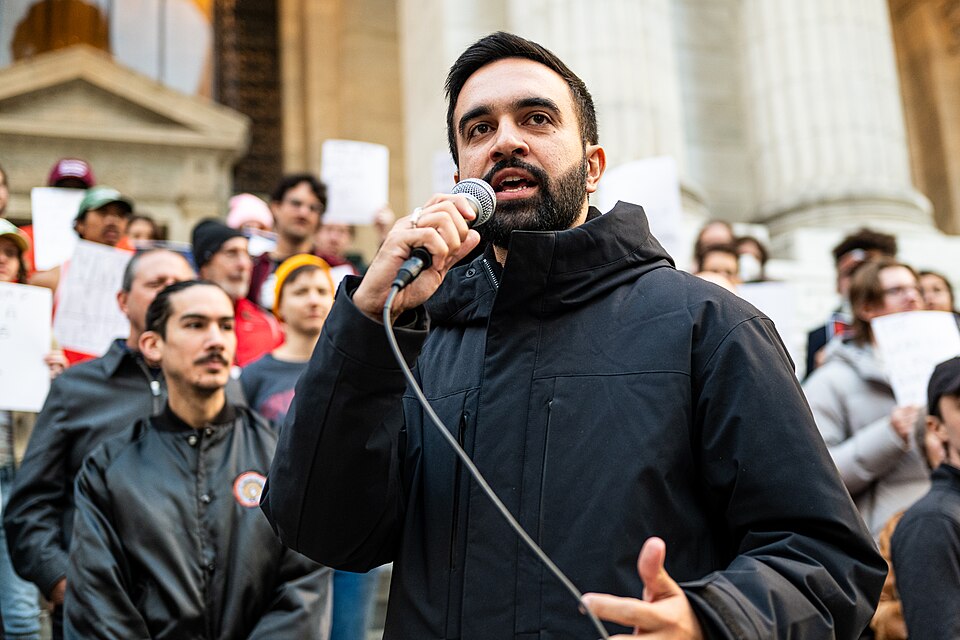
New York City Mayor Zohran Mamdani may be a Democrat, but he’s increasingly borrowing a political strategy that helped President Donald Trump transform the Republican Party.
Rather than simply governing from City Hall, Mamdani is using his growing popularity to influence elections, reward allies, challenge opponents, and reshape the future direction of his party.
And not everyone is happy about it.
As New York voters head toward a critical primary election, Mamdani’s aggressive political maneuvering is creating new divisions inside the Democratic Party and raising questions about how much power the mayor hopes to wield beyond New York City.
Mamdani’s Political Power Play
Less than six months after taking office, Mamdani has inserted himself into several high-profile congressional races across New York.
The move mirrors a strategy Americans have watched President Trump use for years: backing favored candidates, building loyalty, and helping create a political movement that extends far beyond a single office.
For supporters, it shows leadership.
For critics, it looks like an attempt to take control of the Democratic Party from the inside.
Either way, it’s getting attention.
Political strategist Trip Yang says Mamdani’s popularity remains strong.
“His honeymoon period has continued,” Yang said. “He’s taking risks intentionally.”
Riding A Wave Of Success
Mamdani enters the primary season with momentum on his side.
He recently worked with Governor Kathy Hochul to advance several progressive policies, including a new tax targeting owners of luxury second homes worth more than $5 million.
His administration also announced an expansion of free childcare programs for families with young children.
At the same time, Mamdani benefited from the excitement surrounding the New York Knicks’ championship run. The mayor became one of the team’s most visible supporters and frequently appeared at events celebrating the historic victory.
Now he’s using that political capital to help candidates who share his vision.
Challenging The Democratic Establishment
A recent television advertisement featured Mamdani endorsing three candidates seeking seats in Congress.
Among them is former City Comptroller Brad Lander, who is attempting to unseat Congressman Dan Goldman.
Community activist Darializa Avila Chevalier is challenging longtime Congressman Adriano Espaillat.
Assemblywoman Claire Valdez is competing for an open congressional seat being vacated by retiring Representative Nydia Velázquez.
Mamdani also joined Senator Bernie Sanders at a major rally designed to boost turnout for the candidates.
The message was clear: the mayor wants to help shape the next generation of Democratic leadership.
Allies Turn Into Critics
The biggest controversy involves Mamdani’s endorsement of Avila Chevalier.
Many Democratic insiders were stunned because Espaillat previously helped Mamdani during his own rise to power.
Several reports suggested there had been an expectation that Mamdani would support Espaillat’s reelection effort in return.
Instead, he backed the challenger.
That decision angered some party insiders.
One Democratic strategist involved in New York politics said many elected officials now question whether Mamdani can be trusted to honor political commitments.
The dispute has exposed growing tensions inside the Democratic coalition.
Progressive Civil War
Mamdani’s endorsement battles aren’t just upsetting establishment Democrats.
They’re also creating friction among progressives.
The mayor recently broke with longtime progressive Congresswoman Nydia Velázquez by supporting Claire Valdez instead of Velázquez’s preferred successor.
The disagreement highlights a larger struggle over who truly represents the future of the progressive movement.
Different factions are increasingly competing for influence, endorsements, and control.
In many ways, the battle resembles the internal Republican fights that took place during Trump’s rise to power.
Why Mamdani Avoided One Major Fight
Interestingly, Mamdani has not jumped into every political battle.
He notably refused to support efforts to challenge House Minority Leader Hakeem Jeffries.
That decision likely prevented a direct clash with one of the most powerful Democrats in Washington.
Political observers say this shows Mamdani is being strategic rather than reckless.
He’s choosing fights he believes he can win while preserving relationships with leaders he still needs to work with.
High Risk, High Reward
Not everyone believes the strategy will succeed.
Some experts argue Mamdani should focus on expanding his support among moderates instead of creating enemies inside his own party.
Columbia University political scientist Ester Fuchs warned that challenging established Hispanic political figures could create long-term problems for a mayor who still needs to broaden his coalition.
Others believe any political damage will be temporary.
After all, politicians often fight during primary season and work together afterward.
Why This Matters
The outcome of these races could reveal whether Mamdani’s influence extends beyond City Hall.
More importantly, it could offer a glimpse into the future of the Democratic Party itself.
President Trump reshaped the Republican Party by using endorsements, grassroots support, and political pressure to elevate allies and challenge opponents.
Now Mamdani appears to be attempting something similar on the left.
The question is whether Democratic voters will embrace that strategy—or reject it.
Tuesday’s results could provide the first major answer.