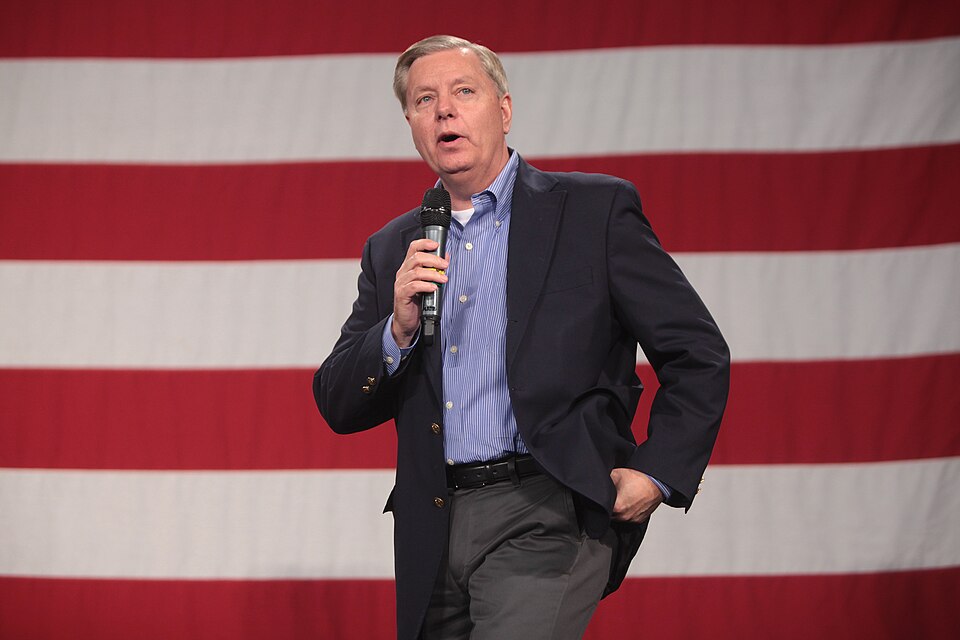
Is Graham having doubts? It appears so.
Sen. Lindsey Graham is issuing a stark warning about President Donald Trump’s high-stakes negotiations with Iran, saying he believes the current agreement is unlikely to survive.
The South Carolina Republican said Sunday that while he supports giving diplomacy a chance, he expects the newly signed memorandum of understanding between the United States and Iran to eventually collapse.
If that happens, Graham believes President Trump could be left with few options other than applying significant pressure on Tehran.
“We should try diplomacy,” Graham said during an appearance on CBS News’ Face the Nation. “But I think it’s going to fail.”
His comments come as the Trump administration pursues a 60-day framework aimed at resolving concerns surrounding Iran’s nuclear program and stabilizing tensions across the Middle East.
Graham Warns About What Could Come Next
Graham’s most eye-opening prediction involved the Strait of Hormuz, one of the world’s most important shipping routes.
The narrow waterway serves as a critical gateway for global energy supplies, with millions of barrels of oil passing through it every day. Any disruption can send shockwaves through energy markets and quickly impact gasoline prices for American families.
According to Graham, if Iran refuses to cooperate and diplomacy breaks down, Trump could take aggressive steps to guarantee freedom of navigation through the strategic passage.
The senator suggested that protecting the waterway may become a top national security priority if tensions continue to rise.
Trump Draws A Red Line
Graham also pointed to growing concerns over Iran-backed Hezbollah attacks against Israel.
The senator indicated that the Trump administration may no longer separate Iran from the actions of the militant groups it supports throughout the region.
Instead, future attacks carried out by Iranian proxies could result in direct consequences for Tehran itself.
The warning comes after President Trump reportedly told Iranian leaders that continued aggression against Israel could trigger a direct American response.
For many conservatives, the approach reflects Trump’s long-standing belief that deterrence is achieved through strength rather than endless negotiations.
Debate Grows Over Iran Reconstruction Money
Graham also addressed reports surrounding a proposed $300 billion reconstruction and economic development plan connected to Iran.
The senator previously criticized the proposal, arguing that rebuilding Iran before meaningful reforms would be a mistake.
However, he clarified Sunday that his concerns changed after learning the funding would likely come from Gulf nations rather than American taxpayers.
Countries such as Saudi Arabia, Qatar, and the United Arab Emirates have reportedly been discussed as potential investors.
Even so, Graham questioned whether massive financial investments alone could fundamentally change Iran’s behavior or transform the region’s political landscape.
Trump Pushes Back On Funding Claims
President Trump has strongly rejected reports suggesting the United States would contribute money toward rebuilding Iran.
Speaking during the recent G7 Summit, Trump dismissed claims of an American-funded investment program and insisted that Washington is not creating a reconstruction fund.
Trump emphasized that other countries are free to make their own investment decisions, but the United States is not financing Iran’s future development.
That distinction has become increasingly important as critics question the long-term implications of the agreement.
Nuclear Talks Enter Critical Phase
Meanwhile, negotiations over Iran’s nuclear program continue in Switzerland.
Vice President JD Vance met with Iranian officials as both sides attempt to reach a broader agreement before the 60-day deadline expires.
The talks are widely viewed as one of the most important foreign policy tests facing the Trump administration this year.
At the center of the negotiations are questions surrounding Iran’s nuclear ambitions, regional security, and the future stability of the Middle East.
Oil Flow Continues Despite Threats
Despite concerns about potential disruptions, administration officials say oil shipments through the Strait of Hormuz remain strong.
Vance recently highlighted what he described as record levels of energy exports moving through the corridor.
Energy Secretary Chris Wright reported that dozens of commercial vessels successfully traveled through the waterway over the weekend, while additional ships received protection from U.S. military escorts.
Those developments have helped calm immediate fears of a major energy crisis, although uncertainty remains.
What Happens Next?
The next several weeks could determine whether Trump’s diplomatic gamble succeeds or fails.
If negotiators reach a lasting agreement, it could reduce tensions and provide greater stability across the region.
But if talks collapse, Graham’s warning suggests the administration may quickly pivot toward a far more aggressive strategy.
For now, Washington is betting on diplomacy.
Lindsey Graham is betting that diplomacy won’t be enough.