Here’s what Americans need to know.
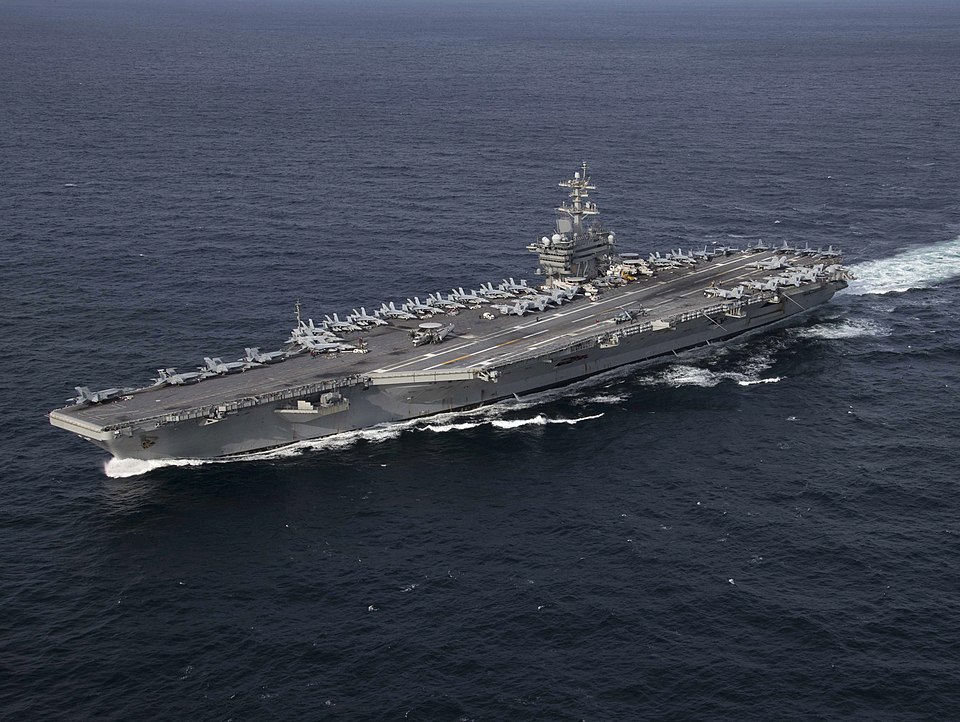
The U.S. Navy is making major preparations for another aircraft carrier deployment after sailors aboard the USS Abraham Lincoln reportedly endured severe shortages and difficult living conditions during an unusually long mission at sea.
With the USS Theodore Roosevelt preparing to deploy from San Diego, Navy leaders say they are taking additional steps to make sure its crew has enough food, hygiene products, equipment and other necessities if the carrier is required to remain at sea for an extended period.
The preparations come as the United States maintains a significant military presence in and around the Middle East amid continued tensions with Iran.
For thousands of American sailors and their families, the Navy’s latest moves could provide some reassurance after reports from the Lincoln raised questions about how well crews can be supported during lengthy deployments.
Navy Stocks Up Before Theodore Roosevelt Deployment
Chief of Naval Operations Adm. Daryl Caudle announced that the USS Theodore Roosevelt is increasing its supplies before leaving port.
The carrier is being stocked with additional food, personal-care products and retail goods intended to help its crew withstand a potentially lengthy period at sea.
Navy officials are also finding additional storage space aboard the massive warship.
The objective is straightforward: give the Theodore Roosevelt greater ability to operate independently when normal resupply operations become difficult or unavailable.
That issue became particularly important during the USS Abraham Lincoln’s recent deployment.
USS Abraham Lincoln Faced Serious Supply Problems
The Lincoln originally began what was expected to be a roughly seven-month deployment in the Pacific before being redirected toward the Arabian Sea as American military operations involving Iran intensified.
The change significantly extended the demands placed on the carrier and its crew.
Conditions reportedly became more difficult after an Iranian attack affected a U.S. naval facility in Bahrain that served as an important regional logistics hub.
As the deployment continued, family members of some sailors and Marines began describing shortages of everyday necessities.
Reports indicated that items including soap, toothpaste and deodorant became difficult to obtain. Food supplies also reportedly became limited.
Those concerns quickly attracted attention outside the Navy.
Lawmakers Raised Concerns About Conditions
Rep. Mike Levin of California publicly described complaints involving deteriorating conditions aboard the Lincoln.
Among the reported problems were plumbing issues, a lack of hot water, deteriorating shower conditions and increasingly limited meals.
Reports concerning the physical and emotional strain facing some crew members added to the scrutiny.
The situation highlighted a basic reality of modern military operations: even one of the world’s most advanced warships depends on a reliable supply chain.
An aircraft carrier can carry sophisticated fighter aircraft, defensive systems and thousands of personnel, but its crew still needs reliable access to food, water, sanitation and basic personal supplies.
Navy Focuses On Sailors’ Quality Of Life
Navy leadership says lessons from the Lincoln deployment are influencing preparations for the Theodore Roosevelt.
Those preparations go well beyond additional food and toiletries.
Officials say new entertainment equipment is being placed in crew areas, while more durable exercise equipment and replacement cardio machines are being prepared for the deployment.
Holiday materials are also being purchased in advance.
Those additions could become particularly important if the carrier remains overseas through major holidays or if its deployment is unexpectedly extended.
Keeping sailors physically and mentally prepared during months away from home is an important part of maintaining military readiness.
More Storage Could Help Carrier Stay At Sea Longer
Master Chief Petty Officer of the Navy John Perryman said available areas aboard the Theodore Roosevelt are being converted into additional storage.
That gives the carrier room for more supplies and could reduce its dependence on frequent resupply.
The change could prove especially valuable during military operations in areas where ports or traditional supply routes are unavailable, unsafe or disrupted.
Recent events have demonstrated why that capability matters.
Military planners cannot always predict how long a carrier will remain deployed or when international events could suddenly change its mission.
Navy Wants Better Communication With Families
Another major priority involves communication.
Navy officials say they want sailors aboard the Theodore Roosevelt to have more reliable and consistent ways of staying connected with their families throughout the deployment.
For military families, communication can become particularly important when a deployment lasts longer than originally expected.
Sailors may spend months away from spouses, children, parents and other loved ones while operating thousands of miles from the United States.
Improving those connections is one way Navy leaders hope to address the strain associated with extended missions.
Middle East Remains Strategically Important
The Theodore Roosevelt could eventually become part of America’s broader naval presence around the Middle East, although the Pentagon generally avoids confirming future movements of major warships in advance.
American naval forces have been operating throughout the region during continuing tensions with Iran.
The Strait of Hormuz remains one of the most strategically important waterways in the world because of the enormous amount of global energy traffic that normally moves through the area.
U.S. naval forces have also been involved in efforts related to maritime security and threats from mines.
Maintaining access to international shipping routes remains an important American military and economic interest.
Aircraft Carriers Remain Critical To US Military Power
American aircraft carriers serve as floating military bases capable of operating far from the continental United States.
Each carrier strike group gives military commanders significant air and naval capabilities without requiring American aircraft to operate entirely from land bases in another country.
But that power comes with an enormous logistical challenge.
Thousands of sailors must be fed every day. Equipment requires constant maintenance. Medical facilities must remain operational. Fresh water, sanitation systems and living quarters have to function continuously.
When a deployment stretches from several months into a much longer mission, those challenges can multiply.
That appears to be one of the biggest lessons emerging from the Lincoln’s experience.
Navy Tries To Prevent A Repeat
The preparations aboard the USS Theodore Roosevelt indicate that Navy leadership does not want to see the same supply problems repeated.
More food, additional hygiene products, greater storage capacity, replacement exercise equipment and improved family communication may not attract the same attention as fighter jets or missile systems.
For the sailors actually serving aboard the carrier, however, those necessities can make an enormous difference.
The experience aboard the USS Abraham Lincoln demonstrated that military readiness depends on more than weapons and technology.
It also depends on ensuring the men and women operating America’s warships have the basic resources required to perform their jobs during lengthy and unpredictable deployments.
As the USS Theodore Roosevelt prepares to head back to sea, the Navy is attempting to apply those lessons before the carrier leaves American shores.
And with U.S. naval forces continuing to operate in strategically important waters, keeping America’s sailors supplied and its aircraft carriers ready for unexpected developments remains a major priority.