This was shocking to hear.
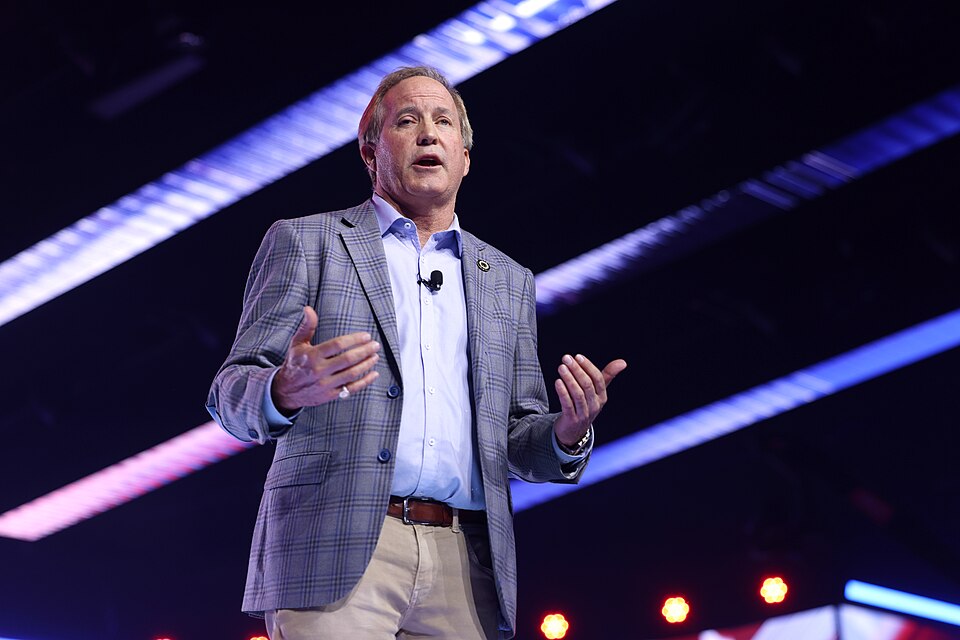
Texas Attorney General Ken Paxton is facing fresh scrutiny after reportedly telling Republican donors that GOP polling numbers declined following the party’s high-profile midterm convention in Dallas.
The remarks have attracted attention because President Donald Trump has been one of Paxton’s most prominent political allies and has publicly argued that the convention helped the Republican Senate candidate.
Paxton, meanwhile, appears to have offered a very different assessment behind closed doors.
According to audio reported by The New York Times, Paxton told a gathering of conservative donors and lobbyists that Republican candidates saw their numbers fall around the time of the Dallas event.
“When we did that convention, it dropped our numbers,” Paxton reportedly said. “Everybody’s numbers dropped.”
The comments come at a critical moment in the closely watched Texas Senate race between Paxton and Democratic state Rep. James Talarico.
Paxton And Trump Give Different Accounts Of Dallas Convention
Trump has publicly described the Republican convention as a successful event that benefited Paxton.
Speaking to reporters earlier in September, Trump said he believed the gathering “really helped Ken Paxton” and praised Paxton’s record as Texas attorney general.
Paxton’s privately reported comments, however, suggested a less optimistic assessment.
That apparent disagreement has fueled questions about what is really driving the movement in Texas Senate polling — and whether the convention itself played any meaningful role.
Paxton’s campaign strongly disputes suggestions that his political standing has deteriorated.
Campaign adviser Nick Maddux said recent internal polling showed Paxton leading Talarico by three percentage points and argued that the Republican candidate had improved since early September.
Internal campaign polling, however, is only one measure of a race and can differ significantly from independent surveys.
Texas Senate Polling Shows A Tight Contest
Public polling has shown a highly competitive race.
The RealClearPolitics polling average cited in recent reporting placed Talarico ahead of Paxton by approximately 2.9 percentage points.
Individual polls have produced different results, meaning the exact state of the race remains uncertain.
Polling averages can also shift as new surveys are added, and differences in likely-voter models, sample sizes and methodology can produce varying results.
Still, the competitiveness of the contest is notable.
Texas has not elected a Democrat to the U.S. Senate since 1988, and Republicans have long viewed the state as a dependable part of their Senate coalition.
A close contest therefore carries major implications for both parties as control of Congress remains a central issue in the 2026 midterm elections.
Republican Groups Spending Heavily To Support Paxton
National Republican organizations are putting substantial resources into keeping the Texas Senate seat in GOP hands.
The Senate Leadership Fund, which is aligned with Senate Republican leadership, has reportedly committed significant advertising money to the race.
Trump-aligned organizations have also invested heavily in advertising supporting Paxton and criticizing Talarico.
That spending reflects the importance Republicans are placing on the contest.
Texas has traditionally offered Republican Senate candidates a substantial advantage, but the amount of outside spending suggests national GOP leaders are not taking the race for granted.
Trump is also expected to campaign in Texas as Republicans make their final push before Election Day.
His appearance is part of a broader effort to boost Republican candidates and protect the party’s congressional majorities.
Paxton Defeated John Cornyn In Bitter Republican Primary
Paxton reached the general election after defeating longtime Republican Sen. John Cornyn in a contentious GOP primary runoff.
The victory demonstrated Paxton’s strength among Republican primary voters despite years of political controversy.
Paxton has dealt with multiple issues that have received extensive public attention.
In 2023, the Republican-controlled Texas House impeached him on allegations that included abuse of office and bribery.
The Texas Senate later acquitted him.
His personal life has also become part of the public discussion surrounding his political career after his wife, Texas state Sen. Angela Paxton, filed for divorce.
Despite those controversies, Paxton defeated Cornyn and secured the Republican Senate nomination.
Are Paxton’s Problems Really About Trump?
Paxton’s reported comments raise an obvious political question: Did the Dallas convention actually hurt his campaign?
There is not enough evidence to establish that conclusion.
Polling can change for many reasons, including candidate favorability, advertising, economic concerns, turnout enthusiasm, national political developments and changes in voter attention.
A decline that happens after a political event does not necessarily mean the event caused it.
Trump maintains that the convention helped Paxton.
Paxton’s campaign says its own polling shows improvement.
Some independent polling has shown Talarico with a narrow advantage.
Those competing claims make it difficult to identify one clear explanation for the race.
Texas Senate Race Could Have National Consequences
The stakes extend far beyond Paxton and Talarico.
Every Senate seat matters when party control is closely divided, and a competitive race in Texas forces Republicans to spend money that might otherwise be directed toward other battleground states.
For Democrats, even making Texas competitive can alter the national campaign map.
For Republicans, holding the seat would preserve a Senate position the party has controlled for decades.
That helps explain why national political groups are pouring money and attention into the Lone Star State.
Paxton Faces Crucial Final Stretch
Paxton now enters the closing phase of the campaign with powerful Republican allies, significant financial support and Trump’s continued backing.
At the same time, public polling indicates that the race deserves close attention.
The reported disagreement over whether the Dallas convention helped or hurt Paxton adds another layer to an already intense campaign.
But determining who is responsible for Paxton’s polling position is more complicated than blaming one convention or one political figure.
Candidate history, voter attitudes, campaign spending and the broader national environment could all play a role.
As Election Day approaches, the clearest test will come from Texas voters themselves.
For now, the Texas Senate race remains one of the contests drawing significant national attention as Republicans and Democrats battle for control of Congress.