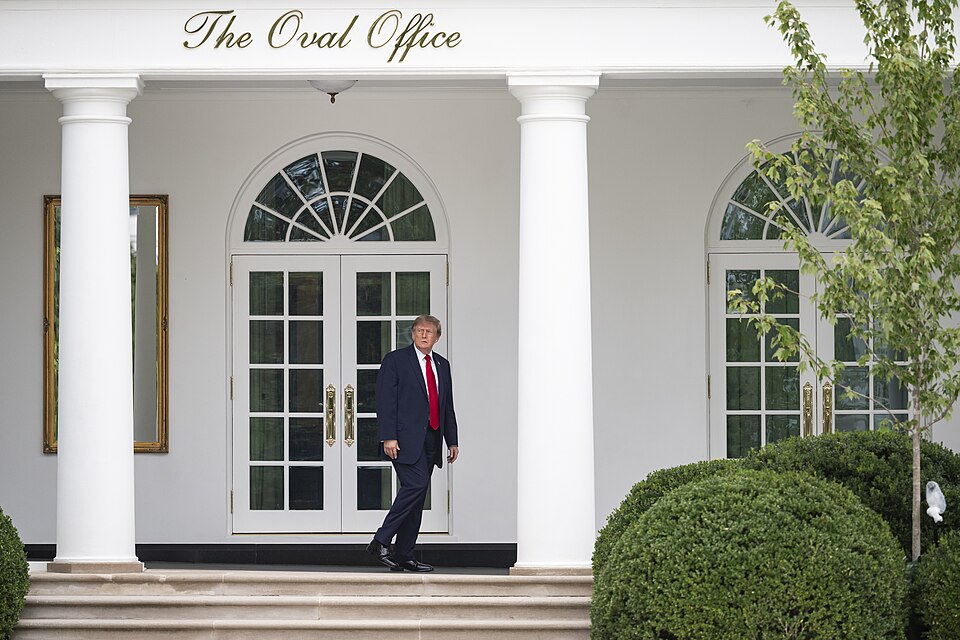
Trump Tells European Allies To Act Immediately
The Trump administration is urging European allies to take immediate action as diesel prices rise sharply and put new pressure on American households, truckers, farmers and businesses.
U.S. officials want European governments to release additional fuel from strategic reserves in hopes of increasing global supplies and easing the strain on diesel markets.
The push comes as energy costs have once again become a major concern for consumers. Higher diesel prices do not only affect drivers at the pump. They can also raise transportation, farming, manufacturing and delivery costs, potentially increasing prices throughout the economy.
U.S. Calls on Europe to Release More Fuel
Treasury Secretary Scott Bessent called on European nations to move faster on existing commitments and make additional supplies available as global fuel disruptions continue.
European Union governments are also discussing a coordinated response to rising fuel prices.
The Trump administration has reportedly focused particular attention on France and Germany, encouraging both countries to consider releasing diesel from strategic reserves.
The goal is straightforward: putting more refined fuel into the market could help ease supply shortages and reduce some of the pressure pushing prices higher.
For American consumers already dealing with expensive groceries, utilities, insurance and other household expenses, any meaningful reduction in transportation costs could provide welcome relief.
Why Diesel Prices Matter to Every American
Diesel prices may seem like an issue mainly affecting truck drivers, but their impact reaches much further.
Diesel fuel powers a large portion of America’s commercial trucking industry. It is also widely used in agriculture, construction, shipping and heavy equipment.
When diesel becomes more expensive, businesses often face higher operating costs.
Those additional expenses can eventually affect the price of:
- Groceries and household products
- Farm goods and agricultural supplies
- Construction materials
- Online and retail deliveries
- Manufactured products
- Commercial transportation
That makes diesel an important part of the broader inflation picture.
A truck carrying food to a supermarket, for example, costs more to operate when fuel prices rise. Farmers also spend more running tractors and transporting crops. Retailers may then face higher shipping expenses.
Over time, at least part of those costs can be passed along to consumers.
Trump Considers Possible Diesel Export Restrictions
President Donald Trump has also said he is considering restrictions on U.S. diesel exports.
Such a move could potentially keep more diesel inside the United States, increasing domestic availability.
But the proposal comes with significant economic trade-offs.
American refineries produce several types of fuel at the same time, including diesel, gasoline and jet fuel. Changes affecting one fuel can influence refinery operations and the supply of other petroleum products.
Trump himself has acknowledged that restricting diesel exports could potentially have an unintended effect on gasoline prices.
That leaves the administration facing a difficult question: how can Washington bring diesel prices down without creating higher costs elsewhere?
Europe Warns of Economic Consequences
European officials have expressed concern about the possibility of the United States limiting diesel exports.
Europe imports significant quantities of refined petroleum products, including supplies originating in the United States.
If U.S. exports were sharply reduced, European buyers could be forced to compete for fewer available supplies from other countries.
That could drive wholesale prices higher in Europe and potentially tighten the global market even further.
European Union trade chief Maros Sefcovic has warned that an American diesel export ban could have serious economic consequences.
U.S. and European officials have nevertheless emphasized that discussions are continuing and that both sides want to avoid sudden disruptions.
France Looks for a Cooperative Solution
French officials have publicly expressed hope that Washington will avoid an outright diesel export ban.
France has indicated that it favors cooperation among major economies to address the supply problem.
Possible measures include coordinated releases from strategic fuel reserves and efforts to locate additional sources of refined petroleum products around the world.
French President Emmanuel Macron is also expected to discuss rising fuel prices with other Group of Seven leaders.
A coordinated release of emergency reserves could temporarily increase available supplies and help calm energy markets.
Diesel Prices Put Household Budgets Under Pressure
The most immediate concern for many Americans is the cost at the pump.
Diesel prices have risen sharply during the ongoing international energy disruptions, adding another expense for families and businesses.
For retirees and households living on fixed incomes, higher energy costs can be particularly difficult.
Even Americans who never purchase diesel directly can feel the impact through higher prices for transportation and consumer goods.
A small increase in shipping costs may not appear significant on a single product. But when those increases affect thousands of products moving across the country every day, the cumulative impact can become noticeable.
That is why policymakers are paying close attention to diesel prices.
Farmers and Truckers Face Higher Operating Costs
Few industries feel rising diesel prices more directly than agriculture and trucking.
Farmers rely heavily on diesel-powered tractors, combines, trucks and other equipment.
Higher fuel costs can increase the expense of planting, harvesting and transporting crops.
Truck drivers and freight companies face similar challenges.
Long-haul trucks consume large quantities of diesel, meaning even a modest price increase can significantly raise the cost of moving freight across the country.
Those higher transportation expenses can eventually affect manufacturers, retailers and consumers.
Energy Markets Remain Under Pressure
The current fuel-price problem is being driven by more than one factor.
International conflict, refinery disruptions and uncertainty over future supplies have all contributed to volatility in global energy markets.
Diesel can sometimes face greater supply pressure than crude oil itself because crude must first be processed by refineries before it becomes usable transportation fuel.
That means having enough crude oil does not automatically guarantee an adequate supply of diesel.
Refinery capacity, maintenance schedules, transportation networks and regional shortages can all affect the final price consumers pay.
Could Strategic Reserves Bring Prices Down?
Strategic fuel reserves are designed to provide governments with emergency supplies during major disruptions.
Releasing reserves increases the amount of fuel immediately available to the market.
In theory, additional supply can help ease shortages and place downward pressure on prices.
However, reserve releases are generally considered temporary measures rather than permanent solutions.
Once reserves are used, governments eventually have to decide whether and when to replenish them.
The larger question is whether emergency releases can provide enough relief while global production and refining conditions improve.
Washington Faces a Delicate Balancing Act
The Trump administration is now considering several approaches rather than relying on a single solution.
Those options include:
- Encouraging European countries to release strategic reserves
- Seeking additional international fuel supplies
- Considering changes to U.S. diesel exports
- Working with refiners and energy producers
- Coordinating with allied governments
Each option carries potential benefits and risks.
Keeping more diesel in the United States might help domestic supply, for example, but reducing exports could create shortages elsewhere and disrupt global energy markets.
Similarly, releasing strategic reserves could provide short-term relief but would reduce emergency stockpiles.
Fuel Prices Carry Political and Economic Stakes
Energy prices often receive intense attention because consumers see them directly.
Unlike many economic indicators, fuel prices are displayed on roadside signs every day.
Americans can immediately see when gasoline or diesel becomes more expensive.
Rising fuel costs can also contribute to broader concerns about inflation and household finances.
With congressional midterm elections approaching, lawmakers from both parties are closely watching energy prices and other cost-of-living issues.
The debate is likely to focus heavily on what policies can increase supplies, protect consumers and reduce inflation without creating additional economic disruptions.
What Happens Next?
Much now depends on whether European governments agree to release additional strategic fuel supplies.
Washington and European officials are expected to continue discussing possible coordinated actions.
The Trump administration must also decide whether an export restriction would actually benefit American consumers enough to justify the potential risks.
For households and businesses, however, the central concern remains much simpler.
They want fuel prices to come down.
If additional supplies enter the global market, diesel prices could begin to ease. If supply disruptions continue, businesses and consumers may face elevated transportation costs for longer.
The outcome will matter well beyond the gas station.
Diesel prices influence trucking, farming, shipping, manufacturing and the cost of moving nearly everything Americans purchase.
That means the battle over diesel supplies could ultimately affect grocery bills, household budgets and the broader U.S. economy.