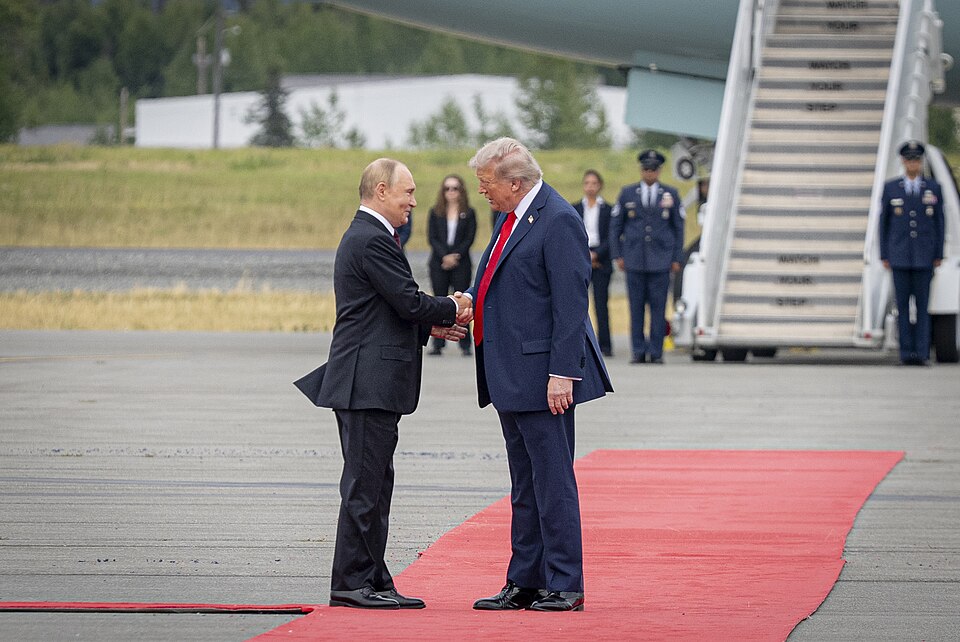
Here’s what happened.
President Donald Trump is facing a new diplomatic challenge after Russia reportedly launched attacks on Ukrainian power facilities just hours after he announced an immediate ceasefire agreement between Moscow and Kyiv.
The developments have raised serious questions about Russian President Vladimir Putin’s willingness to cooperate with the United States and whether Trump’s latest peace initiative can produce meaningful results.
On Sunday, October 11, Trump declared that Russia and Ukraine had agreed to stop targeting each other’s energy infrastructure. The announcement appeared to represent an important step toward reducing hostilities in a war that has continued for more than four years.
However, reports of new Russian strikes quickly complicated the situation, casting doubt on whether the agreement was actually in place.
For the Trump administration, the incident highlights the challenges of negotiating with Moscow while attempting to restore stability in Eastern Europe.
Russia Reportedly Attacks Ukraine After Trump’s Announcement
The controversy began when President Trump announced an energy ceasefire between Russia and Ukraine through his Truth Social account.
“Effective immediately, there is an ENERGY CEASEFIRE in the War between Russia and Ukraine. Both parties have agreed. Do not break it!” Trump wrote.
The statement suggested that both countries had accepted a temporary halt to attacks on critical energy facilities.
But Ukrainian officials reported that Russian forces continued striking infrastructure shortly afterward.
According to ABC News, a thermal power plant in the eastern Ukrainian city of Kharkiv was struck at least twice, resulting in a fire.
Ukrainian President Volodymyr Zelenskyy also reported that Russian forces attacked another power facility in Kyiv.
The strikes reportedly occurred after Trump’s announcement, raising immediate questions about the status of the proposed ceasefire.
While the incidents appeared to contradict the president’s statement, there has been no established evidence that Trump knowingly misrepresented the situation.
Instead, the conflicting reports suggest that the diplomatic arrangement may not have been finalized or accepted by all parties.
Ukraine Says It Was Surprised By The Agreement
Adding to the confusion, Zelenskyy indicated that Ukraine had not received clear information about the agreement announced by Washington.
The Ukrainian president expressed support for ending attacks on energy infrastructure but emphasized that Moscow would need to demonstrate the same commitment.
Ukraine has repeatedly stated that it would consider suspending attacks on Russian oil refineries if Russia agreed to stop targeting Ukrainian electricity and heating facilities.
That distinction is important because both countries have used long-range strikes against energy-related targets throughout the conflict.
Russia has frequently attacked Ukraine’s power infrastructure, while Ukrainian forces have targeted Russian facilities involved in producing and distributing fuel.
As of the initial reports Sunday, Moscow had not publicly confirmed Trump’s announcement.
Without clear acknowledgment from both governments, uncertainty remained over whether a formal agreement existed and what restrictions it would impose.
Putin Puts Trump’s Peace Efforts To The Test
President Trump has made ending the Russia-Ukraine conflict a significant foreign policy priority.
His administration has pursued diplomatic discussions aimed at reducing military hostilities and ultimately negotiating a broader settlement.
However, the latest developments demonstrate how difficult those negotiations remain.
Putin has continued Russia’s military campaign despite repeated international demands for an end to the fighting.
The disagreement over the reported energy ceasefire creates another test for American diplomacy.
Trump’s supporters may see the incident as further evidence that the Russian government cannot be trusted to honor commitments without meaningful consequences.
Critics, meanwhile, may question whether the administration announced progress before securing firm assurances from Moscow and Kyiv.
Either way, the situation illustrates the challenge of converting diplomatic discussions into agreements that produce results on the ground.
For Washington, the next step will be determining whether Russia is prepared to accept verifiable limits on its military operations.
Rising Energy Costs Add Pressure On Washington
The dispute comes at a sensitive time for international energy markets.
Trump has expressed concern that Ukrainian attacks on Russian oil facilities are contributing to disruptions in global fuel supplies.
His administration has also pursued arrangements involving Russian diesel exports as part of its efforts to address energy prices.
Those decisions have generated disagreement among American lawmakers and European officials.
Some argue that additional Russian energy revenue could weaken economic pressure on Moscow and potentially help finance its military operations.
Others emphasize the importance of maintaining reliable fuel supplies and limiting the economic consequences of international conflict.
For American consumers, instability in global energy markets can affect far more than gasoline prices.
Diesel fuel plays an important role in transportation, agriculture, construction, and the distribution of consumer goods.
When transportation expenses rise, businesses may face higher operating costs that can eventually affect the prices families pay for everyday products.
That makes energy security an important part of the administration’s broader economic and foreign policy strategy.
Finding a balance between keeping fuel affordable and maintaining pressure on Moscow remains a difficult challenge.
What Does This Mean For America’s Relationship With Russia?
The latest Russian strikes raise questions about whether diplomatic discussions with Putin can result in lasting changes.
Any successful ceasefire would require clearly defined terms and cooperation from both Russia and Ukraine.
It would also need a practical way to determine whether either side violated its commitments.
Without those safeguards, public announcements alone may do little to change conditions on the battlefield.
For Trump, the incident creates an opportunity to clarify the administration’s position and explain what commitments were obtained during negotiations.
For Putin, the situation increases scrutiny over whether Russia intends to pursue a negotiated settlement or continue relying on military pressure.
The United States and its European allies will also be watching closely to determine whether further diplomatic progress is possible.
Trump Faces Difficult Questions As Russia Continues Attacks
President Trump’s goal of ending the Russia-Ukraine war remains a major diplomatic undertaking, but Sunday’s events show how difficult reaching a lasting agreement may be.
The president announced what appeared to be an immediate ceasefire involving energy infrastructure.
Yet Ukrainian officials reported additional Russian attacks shortly afterward, while important details about the agreement remained unclear.
That contradiction has created an uncomfortable situation for the White House.
The administration must now determine whether Moscow is prepared to follow through on a potential agreement and what additional diplomatic measures may be necessary.
The larger question is whether Putin is genuinely interested in ending the conflict or simply using negotiations while Russian military operations continue.
For Americans concerned about national security, international stability, and rising energy costs, the outcome could carry consequences well beyond Ukraine.
Trump has made clear that he wants to bring the war to an end. Whether Russia is willing to cooperate remains one of the biggest obstacles standing in his way.