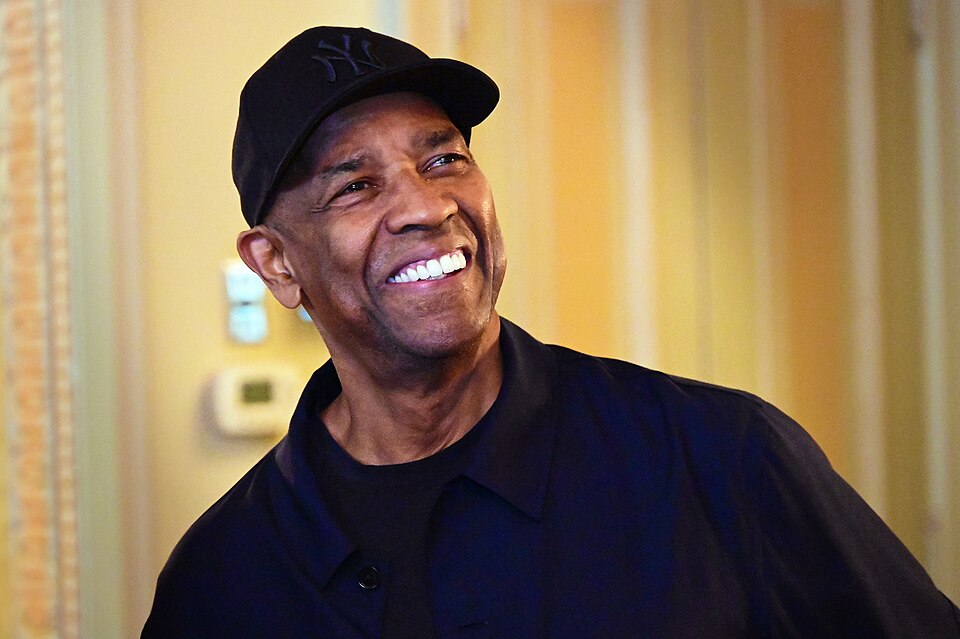
President Donald Trump has once again captured national attention after sharing a social media message involving one of Hollywood’s biggest stars, prompting immediate scrutiny from major news organizations.
The controversy began when Trump shared a message praising his leadership that was supposedly written by Academy Award-winning actor Denzel Washington.
The flattering statement portrayed Trump as an extraordinary leader and suggested that Washington was one of his most enthusiastic supporters.
However, there was a significant problem with the message: Fact-checkers had already determined that the statement was falsely attributed to Washington.
Despite that discovery, the president’s decision to share the post quickly became a national news story, reigniting the familiar debate over Trump’s social media habits and the media’s coverage of his presidency.
Trump’s Message Sparks Immediate Attention
The controversy began with a post from an account called Red Eagle Updates on the social media platform X.
The message featured what appeared to be a personal endorsement from Washington, praising Trump’s intelligence, courage, and dedication to the American people.
It also described the president as a close friend and suggested Washington proudly supported his leadership.
The post invited readers to express whether they agreed with the remarks.
Trump subsequently shared the message on Truth Social, exposing the supposed endorsement to his own substantial online audience.
The post immediately attracted attention because Washington is one of the entertainment industry’s most recognizable and respected performers.
A genuine endorsement from an actor of his stature would represent a notable development in the relationship between Hollywood and the Republican president.
But the statement was not genuine.
News Organizations Challenge Trump’s Post
Newsweek and other media outlets quickly highlighted the message’s questionable origins.
According to fact-checking organization Snopes, there was no credible evidence that Washington had ever made the comments attributed to him.
The organization examined the circulating statement and found that similar language had previously appeared online under the names of other celebrities.
Among those who had reportedly been associated with versions of the quote were actor Matthew McConaughey and Rolling Stones singer Mick Jagger.
That discovery indicated the message was not an authentic statement from Washington.
The fact-check had been published before Trump’s social media post attracted widespread news coverage.
While the statement itself was inaccurate, Trump’s intentions in sharing it remain uncertain.
There is no confirmed evidence establishing whether he believed the endorsement was genuine, recognized it as fabricated, or intended the post to be humorous.
Nevertheless, the episode quickly became another widely discussed example of the president’s unconventional online presence.
Denzel Washington’s Political Background Raises Questions
The involvement of Denzel Washington made the story particularly interesting because the actor has generally avoided becoming a prominent political campaign figure.
Washington has built a distinguished career through memorable performances in films including Training Day, Remember the Titans, and The Equalizer.
He has also earned widespread recognition for his professional accomplishments and his public discussions of faith, family, discipline, and personal responsibility.
Although Washington has occasionally addressed political and social issues, he has not publicly established himself as a Trump supporter.
Federal campaign finance records also show that Washington previously contributed money to Democratic presidential candidates.
Those contributions included support for Barack Obama and Hillary Clinton.
His political donation history does not necessarily determine his present opinions, but it provides important context when evaluating the supposed endorsement.
There is currently no verified evidence that Washington made the enthusiastic pro-Trump statement circulated online.
Trump’s Social Media Strategy Continues To Make Headlines
Throughout his political career, Trump has demonstrated an unusual ability to generate headlines through social media.
Whether announcing major policy decisions, criticizing political opponents, or sharing messages from supporters, the president frequently communicates directly with the public.
Truth Social has become an important part of that strategy.
Unlike traditional presidential communications, social media allows Trump to share material immediately without relying on television networks, newspapers, or formal press conferences.
That approach has helped establish a direct connection with his political audience.
It has also created ongoing disagreements with journalists and political commentators over the accuracy, meaning, and significance of individual posts.
Some Trump supporters believe the national media devotes excessive attention to his online activity instead of concentrating on economic conditions, immigration enforcement, national security, and other major policy questions.
Critics counter that statements circulated by a sitting president carry considerable influence and should be examined carefully when they contain misleading information.
The controversy involving Washington has brought those competing arguments back into the spotlight.
Celebrity Endorsements Remain A Powerful Political Tool
Celebrity endorsements have influenced American political campaigns for decades.
Famous actors, musicians, and athletes regularly appear at campaign rallies, participate in fundraising events, and encourage their supporters to vote.
Both major political parties have benefited from the attention generated by recognizable entertainment figures.
However, the spread of social media has introduced new challenges.
Fabricated celebrity endorsements can circulate widely before readers have an opportunity to determine whether the statements are authentic.
In some cases, old quotations are altered, taken out of context, or attributed to entirely different individuals.
The Washington incident illustrates how easily a statement involving a famous person can become the subject of a national political discussion.
For Americans following political news, distinguishing confirmed endorsements from unverified internet posts remains important regardless of which candidate or political party is involved.
Media Reaction Revives Familiar Political Debate
The coverage surrounding Trump’s post has once again highlighted the strained relationship between the president and several major news organizations.
Trump has repeatedly criticized media outlets he considers unfair or excessively hostile toward his administration.
Meanwhile, journalists continue to closely examine his public statements and social media activity.
The disputed Washington endorsement has given both sides another issue to discuss.
For critics of the president, the episode demonstrates the importance of verifying information before sharing it with a large audience.
For supporters who are frustrated with mainstream political coverage, the intense attention surrounding a single social media post may raise questions about the media’s priorities.
The incident also demonstrates how political commentary, celebrity culture, and online misinformation can intersect in today’s news environment.
Trump’s Latest Social Media Controversy Draws National Interest
Ultimately, the story centers on a relatively simple sequence of events.
President Trump shared a message that appeared to feature an enthusiastic endorsement from Denzel Washington.
Fact-checkers determined that the statement was not authentic, and major news outlets subsequently reported on the controversy.
There has been no verified explanation establishing why Trump chose to share the message.
What is clear is that the president remains one of the most closely watched figures in American politics, with even brief social media posts capable of generating widespread attention.
As the country approaches the November midterm elections, the political battle over media coverage, online information, and presidential communication is likely to continue.
And whether Americans support Trump or disagree with his approach, his latest online controversy offers another reminder of the considerable influence social media now holds over the national political conversation.