Trump’s Gift To Homebuyers
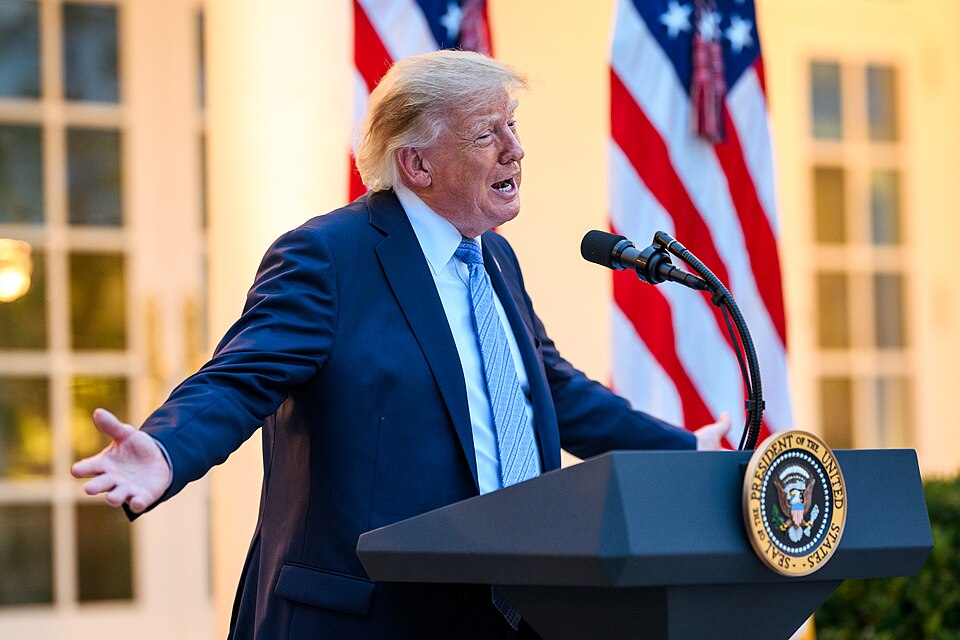
President Donald Trump has signed a new executive order aimed at making homeownership more affordable for American families, potentially reducing mortgage expenses, refinancing fees, and other costs that have placed a growing burden on homeowners.
The October 22, 2026, order could provide welcome financial relief to qualifying Americans who are purchasing a home, considering refinancing, or looking for ways to reduce their monthly housing expenses.
With mortgage rates remaining elevated and home prices stretching household budgets, the administration is taking steps to eliminate certain expenses that can make owning a home more costly than necessary.
And for some homeowners, the changes could eventually mean keeping more of their hard-earned money each month.
Trump Targets Costly Mortgage Insurance
One of the most significant provisions involves private mortgage insurance, commonly known as PMI.
This insurance is generally required on conventional mortgages when borrowers make smaller down payments. Although it protects lenders rather than homeowners, borrowers are responsible for paying the premiums.
Those additional charges can add to an already expensive monthly mortgage payment.
Under Trump’s new order, the Federal Housing Finance Agency is directed to pursue a pilot program that would identify qualifying homeowners who have built enough equity to eliminate their mortgage insurance.
Rather than requiring eligible borrowers to navigate a complicated cancellation process, the program would use current property values and other information to determine when insurance may no longer be necessary.
The proposed pilot would apply to qualifying mortgages originated after the program begins, not automatically to every existing mortgage.
For eligible future borrowers, however, eliminating an unnecessary insurance payment could offer meaningful savings over time.
Refinancing Could Become Less Expensive
The president’s executive order also takes aim at another frustrating expense: the cost of refinancing a mortgage.
Homeowners considering refinancing often face closing costs, title insurance expenses, and administrative fees that can make the decision less attractive.
Trump’s order calls for expanding an existing federal title insurance alternative into a broader program designed to reduce those expenses for eligible refinancing transactions.
The administration also wants federal housing officials to consider eliminating certain duplicate paperwork, unnecessary appraisals, and other fees when appropriate.
These changes could be particularly helpful for Americans who want to reduce their monthly mortgage payments without spending thousands of dollars upfront.
However, actual savings will depend on eligibility, lender participation, and how federal agencies implement the changes.
Veterans and Rural Homebuyers Could Benefit
The executive order includes provisions affecting certain federal home loan programs administered by the Department of Veterans Affairs and the Department of Agriculture.
Trump has directed both departments to reduce interest rates on eligible single-family loans made directly through their respective programs, subject to applicable laws and available funding.
The changes could create additional opportunities for qualifying veterans and rural borrowers seeking more affordable financing.
Lower interest rates can make a meaningful difference in the total cost of owning a home, particularly when borrowers are financing a purchase over many years.
Importantly, the order does not require every private mortgage lender to lower rates, nor does it guarantee that all VA-backed or USDA-supported mortgages will become cheaper.
A New Push for More Affordable Homes
Beyond mortgage expenses, the administration is also examining the rising cost of constructing new homes.
Trump’s order establishes a federal task force focused on manufactured and factory-built housing.
Its mission is to identify ways to streamline approvals, reduce duplicative regulations, and encourage modern construction methods that could make quality housing less expensive to produce.
Manufactured homes have long provided an alternative for Americans seeking affordable housing, particularly in smaller communities and rural areas.
By addressing regulatory hurdles and encouraging greater efficiency, the administration hopes to expand housing options for buyers who have been priced out of traditional properties.
The task force has 180 days to submit recommendations, meaning these particular changes will take time to develop.
What This Means for Current Homeowners
For Americans already paying a mortgage, the announcement raises an important question: Will their monthly payments go down?
The answer depends on their circumstances.
Some of the proposed reforms could eventually reduce refinancing expenses or improve borrowing options. However, the mortgage insurance pilot is specifically designed for future qualifying loans originated after the program begins.
Existing homeowners should not assume their insurance premiums will automatically disappear.
Those currently paying PMI may still be able to request cancellation under existing mortgage rules if they meet the necessary requirements.
Homeowners considering refinancing should also compare interest rates, closing costs, and long-term savings before making any decisions.
Homeownership Remains an Important Financial Goal
For generations, owning a home has represented financial stability, independence, and the opportunity to build wealth.
But higher mortgage rates, rising insurance expenses, property taxes, and construction costs have made that goal increasingly difficult for many Americans.
According to Freddie Mac, the average 30-year fixed mortgage rate stood at 7.32% on October 22, underscoring the financial challenges facing today’s buyers.
Trump’s latest executive order seeks to address several of those pressures by reducing unnecessary expenses and encouraging more affordable housing options.
While the full impact will depend on how federal agencies carry out the president’s directives, the initiative could offer savings to eligible borrowers and create additional opportunities for future homebuyers.
For Americans hoping to purchase a home, refinance an existing mortgage, or simply make their housing expenses more manageable, the new order is a development worth watching.
The potential benefits are significant, but borrowers should review the final program requirements before counting on any financial savings.