Why isn’t the mainstream media talking about this?
President Donald Trump and former President Bill Clinton delivered dramatically different campaign appearances Friday, with Trump attracting thousands of supporters to a major Florida arena while Clinton addressed a much smaller crowd in Mississippi.
The contrast came just days before the November 3 midterm elections, as Republicans and Democrats intensified their efforts to motivate voters and determine which party will control Congress.
Trump’s rally in Daytona Beach took place at a venue capable of seating approximately 9,300 people. Clinton, meanwhile, appeared at a facility in Tupelo with room for roughly 500 attendees, including overflow space.
The difference in scale was striking, underscoring how differently the two political figures approached the final days of the campaign.
Trump Draws Thousands to Massive Florida Rally
Trump traveled to the Ocean Center in Daytona Beach on October 30, where thousands of enthusiastic supporters gathered for one of his final major campaign appearances before Election Day.
Some attendees arrived before sunrise, hoping to secure their places at the event.
Local news outlets reported substantial crowds throughout the day as supporters lined up outside the arena.
The president used the gathering to promote Republican candidates and encourage Americans to participate in the upcoming election.
Among those receiving Trump’s support were Republican gubernatorial candidate Byron Donalds, Senator Ashley Moody, and Representative Randy Fine.
For Republicans, the rally represented an important opportunity to generate momentum heading into the final weekend of campaigning.
Trump has consistently relied on large rallies to communicate his political message, making public appearances a recognizable feature of his campaigns.
The Daytona Beach event continued that tradition.
Bill Clinton Speaks Before Much Smaller Crowd
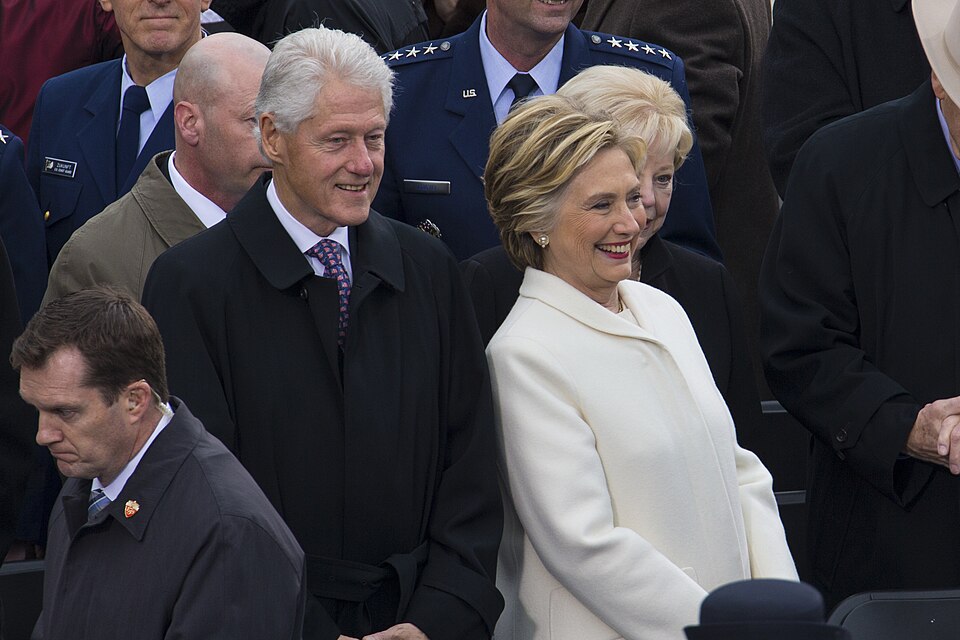
While Trump addressed thousands in Florida, Clinton traveled to Tupelo, Mississippi, to support Democratic Senate candidate Scott Colom.
The former president appeared at the Link Centre, a considerably smaller location than Trump’s Florida venue.
According to local television station WTVA, the building’s main event space accommodates approximately 400 people, with additional overflow capacity for another 100.
Mississippi Today reported that roughly 400 people attended Clinton’s campaign appearance.
By comparison, the Ocean Center’s reported seating capacity was more than 18 times larger than the combined capacity of Clinton’s event location.
Although this represents a substantial difference in venue size, it does not establish an exact attendance ratio between the two rallies.
Nevertheless, the contrast between a major arena gathering and a smaller community event was difficult to overlook.
Clinton used his appearance to support Colom’s challenge against Republican Senator Cindy Hyde-Smith.
He criticized the Republican incumbent’s alignment with Trump and argued that Mississippi voters should consider giving Democrats an opportunity to represent the state.
Trump and Clinton Deliver Competing Political Messages
The two appearances reflected the competing priorities of Republicans and Democrats ahead of the midterms.
Trump emphasized the importance of electing Republicans who would support his administration’s agenda in Washington.
With control of Congress at stake, the president has been working to strengthen Republican turnout in several closely watched states.
Clinton, meanwhile, focused on helping Democrats challenge Republican incumbents, particularly in states where the GOP has traditionally enjoyed an electoral advantage.
Mississippi has not elected a Democrat to the U.S. Senate since 1982, making Colom’s campaign an especially challenging contest for his party.
The participation of a former Democratic president illustrates the importance Democrats have placed on expanding their electoral opportunities.
However, Republicans remain determined to defend their seats and maintain their congressional majorities.
Why the 2026 Midterm Elections Matter
The November 3 elections could have major consequences for the remainder of Trump’s presidency.
Republicans are seeking to preserve control of both the House and Senate, while Democrats are attempting to gain enough seats to change the balance of power.
The outcome could determine the direction of federal legislation on taxes, immigration, government spending, and economic policy.
A Republican-controlled Congress would generally provide Trump with greater opportunities to advance his legislative priorities.
If Democrats gain control of either chamber, they could use their congressional authority to challenge administration policies, conduct investigations, and block certain legislative proposals.
The election therefore represents more than a collection of individual races.
It will help determine how effectively the White House can pursue its agenda through the remainder of Trump’s term.
Early Voting Surges Across America
The final campaign push comes as early voting increases substantially compared with the previous midterm election.
According to an Associated Press analysis, nearly 10 million more Americans had cast early ballots five days before Election Day than at the equivalent point in 2022.
That increase indicates considerable voter participation, although it remains unclear which party will benefit most.
Economic concerns have become a major part of the campaign, including rising household expenses, gasoline prices, and financial pressures on American families.
Both parties are trying to convince voters that their candidates are better equipped to address those concerns.
For many households, the election carries practical consequences extending well beyond Washington’s political debates.
Decisions involving taxes, federal spending, and economic policy could affect family budgets, retirement planning, and the cost of everyday necessities.
Trump Continues Aggressive Campaign Schedule
Trump’s appearance in Florida was part of a broader effort to help Republican candidates during the closing days of the election cycle.
The president has also scheduled stops in Iowa and Kansas, where competitive Senate races could influence which party holds the majority.
His willingness to travel and campaign for congressional candidates reflects the importance Republicans have attached to maintaining their position in Washington.
Clinton’s visit to Mississippi demonstrated that Democrats are also deploying recognizable national political figures to support candidates in potentially important contests.
But Friday’s events offered a particularly noticeable contrast.
Trump appeared before thousands in a large Florida arena, while Clinton campaigned at a much smaller Mississippi gathering.
Although rally attendance does not necessarily predict election results, such events can help candidates attract attention, engage volunteers, and encourage supporters to vote.
All Eyes Turn to November 3
With Election Day rapidly approaching, both major parties face the same challenge: turning campaign enthusiasm into votes.
Trump and Republicans hope strong participation among their supporters will protect their congressional majorities and preserve the administration’s ability to pursue its priorities.
Democrats believe they have an opportunity to challenge Republican control and reshape the political landscape in Washington.
The difference between Trump’s Daytona Beach rally and Clinton’s Tupelo appearance provided a memorable snapshot of the closing campaign.
Trump commanded the larger stage, but the final measure of political strength will come when Americans cast their ballots on November 3.