President Donald Trump’s administration is confronting an unusual problem in Washington, D.C., after an unexpected discovery forced approximately 1,000 federal employees to leave their offices and work from home.
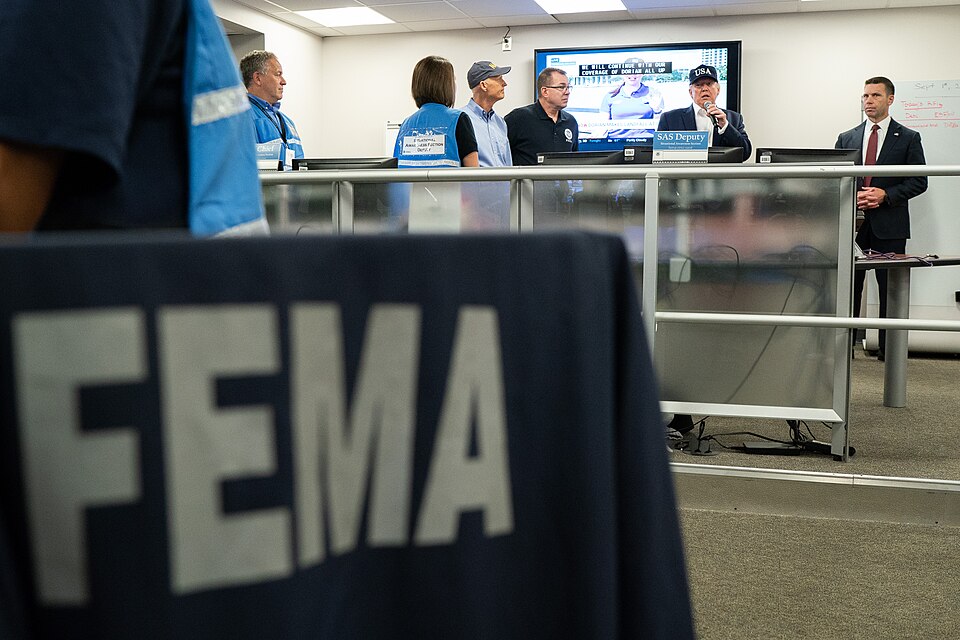
The disruption occurred at the headquarters of the Federal Emergency Management Agency (FEMA), the government organization responsible for helping Americans recover from hurricanes, floods, and other major disasters.
But this time, the emergency was happening inside FEMA’s own building.
The unexpected visitors were bedbugs, and their discovery prompted federal officials to temporarily shut down the agency’s Washington headquarters.
The situation has created an unusual headache for the Trump administration as officials work to restore normal operations at one of the nation’s most important emergency response agencies.
FEMA Headquarters Forced To Close After Unexpected Discovery
The problem surfaced Wednesday evening, November 18, when FEMA employees received an urgent notification informing them that their Washington headquarters would be temporarily closed.
Federal officials had discovered bedbugs inside the facility at 500 C Street SW, prompting concerns about workplace conditions.
By Thursday, November 19, approximately 1,000 employees had been directed to work remotely while pest control specialists addressed the infestation.
According to reports, employees were initially told that the problem involved multiple floors of the building.
The Department of Homeland Security, which oversees FEMA, subsequently clarified that the confirmed infestation was much more limited.
Officials explained that a small number of bedbugs had been identified in one office.
Nevertheless, the agency decided to take additional precautions rather than risk allowing the situation to spread.
The result was a temporary headquarters shutdown affecting hundreds of federal workers.
Trump Administration Moves To Address The Problem
Federal officials moved quickly to arrange pest control treatment and prepare the building for employees to return.
The Department of Homeland Security confirmed that the closure was a precautionary measure designed to protect workers and maintain appropriate workplace conditions.
Although the discovery was limited, officials authorized broader treatment throughout the facility.
The decision reflects the challenges that can arise when maintaining large federal office buildings, particularly those housing employees responsible for essential government services.
FEMA also emphasized that the temporary closure would not interfere with its ability to respond to emergencies across the United States.
Agency representatives assured the public that disaster response operations would continue while employees worked remotely.
That distinction is particularly important because FEMA plays a central role in coordinating federal assistance when disasters overwhelm state and local resources.
Whether responding to devastating storms, widespread flooding, or other serious emergencies, the agency must remain prepared to assist communities in need.
Second Federal Building Scheduled For Treatment
The Trump administration’s response will not be limited to the building where the insects were discovered.
Officials also announced plans to conduct preventative pest control treatment at another FEMA facility located at 400 C Street SW.
That building is scheduled to close temporarily beginning Saturday, November 21, while the treatment is performed.
Importantly, FEMA officials stressed that no bedbugs had been discovered at the second location.
The additional precautions are intended to reduce the possibility of future problems and help employees return to a safe working environment.
Both buildings are currently expected to resume normal operations on Monday, November 23.
However, that timetable depends on the successful completion of the treatment procedures.
For employees who were unexpectedly sent home, the announcement provides a clearer picture of when their regular office routines could resume.
Another Challenge For Washington’s Federal Agencies
The bedbug discovery comes during a period of operational difficulties affecting multiple government agencies.
Earlier in November, a major telecommunications disruption involving the Federal Aviation Administration created problems for airline operations across the country.
Federal emergency management personnel were called upon to assist with the situation.
Separately, the National Security Agency experienced technical difficulties involving an internal communications network.
Although these incidents were unrelated to the infestation at FEMA, they have placed additional attention on the ability of federal agencies to maintain dependable operations.
The latest development serves as a reminder that government preparedness involves more than responding to national disasters.
It also requires maintaining facilities, protecting employees, and ensuring essential services continue when unexpected problems arise.
For an agency specifically tasked with handling emergencies, being forced to temporarily close its own headquarters is an especially unusual development.
FEMA’s Future Remains Under Discussion
The incident also comes as President Trump continues examining the federal government’s role in disaster management.
Trump has previously questioned whether FEMA should maintain its current structure and has advocated giving states greater responsibility for certain emergency response activities.
Supporters of that approach believe state and local governments are often better positioned to understand their communities’ needs.
Others argue that federal coordination remains necessary when major disasters stretch local resources beyond their limits.
Those discussions are separate from the bedbug incident, but they reflect the broader attention surrounding FEMA’s operations and responsibilities.
The agency is currently led by Cameron Hamilton, whom Trump nominated to lead FEMA and who received Senate confirmation in August.
Regardless of future policy decisions, federal officials maintain that FEMA’s immediate emergency response responsibilities remain unaffected by the temporary headquarters closure.
When Will FEMA Employees Return To Work?
According to the agency’s latest statements, employees are expected to return to normal operations at the affected Washington facilities on Monday, November 23.
Until then, personnel will continue carrying out their responsibilities remotely or through other available arrangements.
Officials have emphasized that the situation should not interfere with disaster assistance or support for communities experiencing emergencies.
The unexpected discovery illustrates how even relatively small maintenance problems can create significant disruptions inside large government facilities.
For the Trump administration, the priority now is ensuring the infestation is properly addressed and that federal employees can safely return to their workplaces.
And while FEMA is accustomed to helping Americans navigate unexpected emergencies, few could have anticipated that its latest challenge would involve unwanted visitors inside its own Washington headquarters.