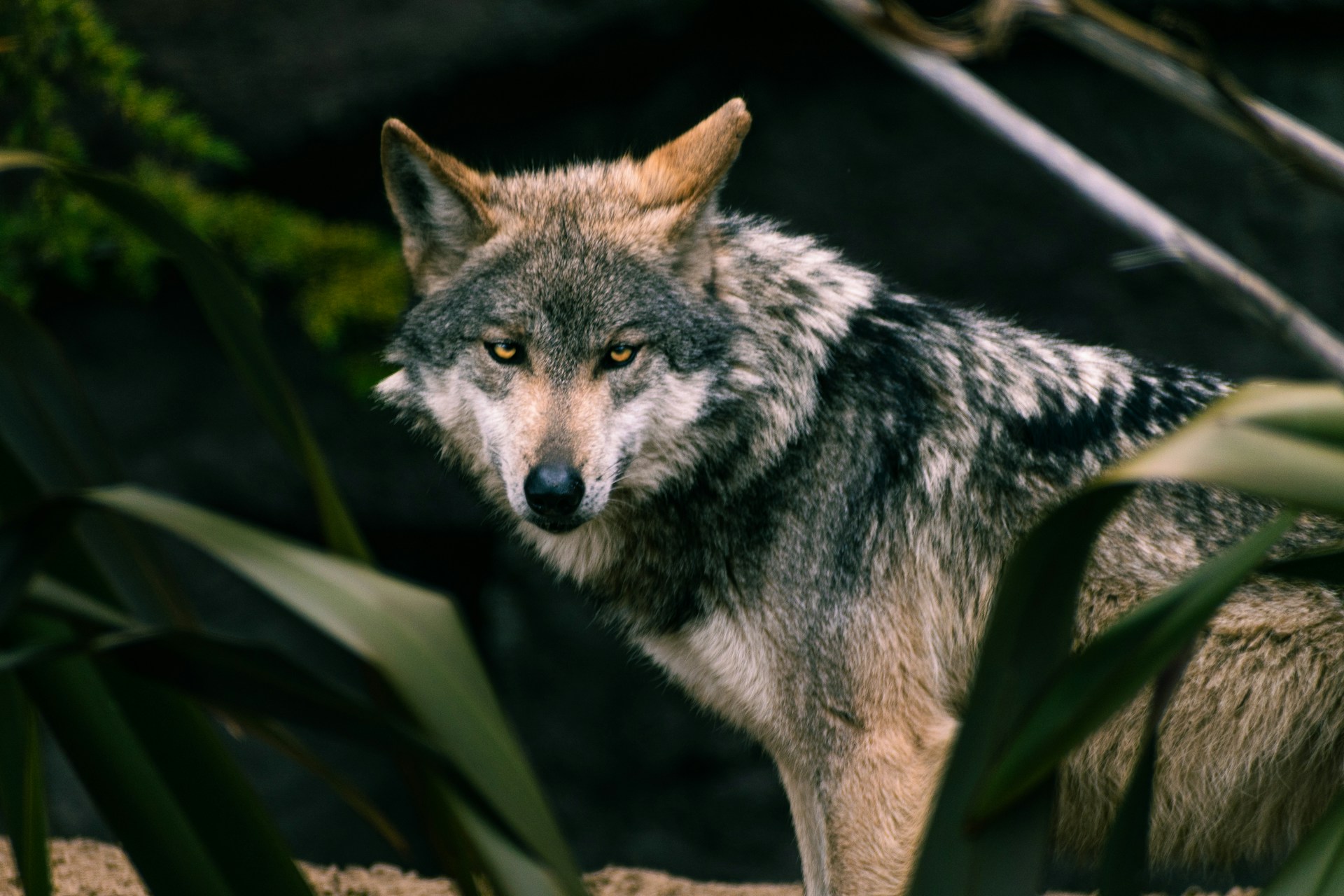
Farmers are begging President Trump for help.
President Donald Trump is facing a major decision involving one of America’s most controversial predators as farmers across several states sound the alarm over gray wolves threatening their livestock and livelihoods.
The growing dispute has placed the Trump administration in the middle of a heated battle between American agricultural producers and environmental organizations. At stake is whether the federal government should continue protecting gray wolves under the Endangered Species Act or return greater control to individual states.
For farmers who have experienced devastating livestock losses, the issue goes far beyond wildlife conservation. It involves their financial security, property rights, and ability to protect the animals they depend on to earn a living.
Now, with an important federal deadline approaching, Trump could make a decision that significantly changes how wolves are managed throughout the United States.
American Farmers Face Growing Predator Concerns
Minnesota farmer Shayne Isane knows firsthand how costly encounters with gray wolves can become.
After nearly 40 years in agriculture, Isane says wolves have created serious problems for his cattle operation. He manages approximately 300 animals and has experienced repeated losses that have cost his family thousands of dollars.
During one particularly damaging incident, three young calves were killed in a single night.
According to Isane, losing just one animal can represent approximately $3,000 in lost value.
For a family-owned agricultural business, those expenses can quickly add up.
But the financial impact extends beyond cattle killed by predators.
Isane says wolves frequently disturb his surviving animals, creating stress that can interfere with their health and weight gain.
Those complications can reduce the value of livestock and increase operating costs for farmers already struggling with equipment expenses, feed prices, and other financial pressures.
Isane also argues that federal regulations have made it difficult for farmers to take immediate action when wolves threaten their herds.
His experience illustrates why some agricultural producers believe Washington needs to reconsider its approach to wildlife management.
Trump Faces Critical December 3 Deadline
The Trump administration is approaching a significant decision that could reshape federal protections for gray wolves.
The Department of the Interior has until December 3, 2026, to determine whether gray wolves and Mexican wolves have satisfied the recovery criteria established under the Endangered Species Act.
If federal officials conclude that the required standards have been met, the department must begin the process of reducing or removing applicable federal protections.
That process would not necessarily eliminate restrictions immediately. Additional administrative procedures and potential legal challenges could affect when any changes take effect.
Nevertheless, the decision could become an important victory for farmers and ranchers seeking greater state authority over predator management.
The issue is especially relevant in Minnesota, Wisconsin, Michigan, Colorado, and California, where questions surrounding wolf conservation and livestock protection have generated significant controversy.
Supporters of Trump’s approach believe states should have greater flexibility to address local wildlife problems rather than relying on federal rules that may not account for conditions on individual farms.
Farmers Say Federal Rules Leave Them With Limited Options
One of the biggest complaints among agricultural producers concerns restrictions on how they can defend livestock from federally protected wolves.
In Minnesota, federal protections generally prohibit farmers from killing wolves to prevent attacks on cattle, except under narrowly defined circumstances.
For farmers who regularly encounter predators near their property, those restrictions can be frustrating.
Isane has argued that agricultural producers need more effective ways to protect their animals before serious losses occur.
Minnesota does provide financial assistance for verified livestock losses caused by wolves.
However, obtaining compensation requires documentation confirming that an attack occurred.
Farmers generally must report suspected wolf-related losses within 48 hours and provide the remains of the affected animal for examination.
That process can become difficult when predators carry away or consume portions of a carcass.
State agriculture officials say the compensation program reimburses producers for the full market value of verified losses. The state also maintains programs intended to help farmers prevent future attacks.
Even with those protections, livestock owners argue that compensation cannot fully address the disruption caused by repeated predator encounters.
Environmental Groups Oppose Trump’s Possible Changes
While many farmers support giving states greater management authority, environmental organizations are warning against eliminating federal protections.
Conservation advocates argue that gray wolves remain important to healthy ecosystems and that removing federal oversight could expose the animals to increased hunting, trapping, and population reductions.
Some organizations also dispute the suggestion that wolves are a major cause of livestock losses nationwide.
Eric Clewis, a representative of Defenders of Wildlife, has argued that wolves are responsible for less than 1% of total livestock losses.
Environmental groups maintain that farmers face other substantial economic challenges and that changing wildlife regulations would not resolve those broader problems.
Sara Amundson, president of the Humane World Action Fund, has similarly criticized the administration’s approach, arguing that the wolf debate distracts from other financial difficulties affecting American agriculture.
Conservation advocates also warn that reversing federal protections could jeopardize decades of efforts to restore wolf populations.
The disagreement presents a difficult question for federal officials: How can the government protect wildlife while also respecting the needs of families whose livelihoods depend on agriculture?
Minnesota Wolf Population Remains Significant
According to the Minnesota Department of Natural Resources, approximately 2,400 gray wolves were estimated to be living in the state during 2026.
Wildlife officials say the population has remained relatively stable, with no statistically significant change compared with the previous year.
That finding differs from the experiences reported by some farmers who believe wolf encounters have become more frequent in their communities.
Both circumstances can occur simultaneously.
A statewide population may remain stable even as wolves become more concentrated in certain areas or increasingly encounter livestock.
For farmers dealing with repeated attacks, the immediate concern is often less about statewide population trends and more about keeping their cattle safe.
The debate has therefore become a question of how wildlife management policies should account for both scientific population estimates and conditions experienced by rural residents.
Trump Administration Pushes For State Authority
The controversy comes as President Trump continues efforts to reduce federal restrictions affecting American farmers and ranchers.
During his first administration, federal officials removed Endangered Species Act protections for gray wolves across much of the country.
That decision faced legal opposition from conservation organizations.
In 2022, a federal judge restored protections in most affected states, while wolf management in the Northern Rockies remained largely under state authority.
Now, Trump’s administration is revisiting the issue.
In September 2026, Trump signed an executive order addressing several challenges facing America’s cattle industry, including predator management.
The administration has argued that ranchers need additional tools to protect their herds and maintain profitable operations.
White House officials have also criticized environmental policies adopted during former President Joe Biden’s administration, contending that those restrictions placed unnecessary burdens on livestock producers.
Supporters of Trump’s position argue that returning more wildlife management responsibilities to states could produce policies better suited to local conditions.
However, opponents remain concerned that reducing federal oversight could weaken protections for recovering species.
Wolf Attacks Raise Broader Concerns For Rural America
The debate also highlights the difficulties facing family farms throughout the country.
Agricultural producers must manage unpredictable weather, rising expenses, changing market conditions, and the constant responsibility of caring for livestock.
Predator attacks can create another source of financial uncertainty.
Although livestock losses caused by wolves represent a relatively small percentage of overall agricultural losses nationwide, the impact can be substantial for individual operations experiencing repeated incidents.
That distinction is especially important for smaller farms, where losing several valuable animals can affect an entire season’s earnings.
The issue also raises questions about how much authority property owners should have when wildlife threatens their businesses.
Some ranchers believe federal protections have become too restrictive and want states to establish more practical standards.
Others support a combination of preventive measures, compensation programs, and carefully regulated wildlife management.
Either way, the consequences of the administration’s decision could extend well beyond the states where gray wolves currently generate the most controversy.
Some Farmers Support A Balanced Approach
Not every agricultural producer believes removing wolves from the landscape is the answer.
Michigan farmer Jonathan Miller, who has decades of agricultural experience, has found that electric fencing can help protect his livestock.
Although installing and maintaining protective barriers requires additional time and money, Miller says the approach has helped reduce conflicts with predators.
He also supports giving state officials greater responsibility for wildlife management.
His position reflects the views of farmers who want wolf populations maintained while ensuring livestock owners have reasonable ways to prevent losses.
Such an approach could allow state agencies to develop management programs based on regional wolf populations, agricultural conditions, and conservation requirements.
Still, determining where to draw that balance remains a challenge.
Trump’s Decision Could Have Lasting Consequences
With the December 3 deadline approaching, the Trump administration faces a consequential choice.
A decision to begin reducing federal protections could give states greater authority over gray wolf management, although implementation would likely require additional steps and could face legal challenges.
Maintaining current protections, meanwhile, could disappoint farmers who believe the federal government has failed to provide adequate options for defending their livestock.
The dispute underscores a larger debate over the role of Washington in regulating rural communities and agricultural businesses.
For conservation groups, the priority is protecting the recovery of a species that once disappeared from large portions of its historic range.
For farmers experiencing livestock attacks, the priority is preserving the animals and income that support their families.
President Trump’s next move could influence federal wildlife policy, state management authority, and the future of gray wolf conservation for years to come.
As the deadline approaches, farmers and environmental organizations alike will be watching to see whether the administration changes the rules governing one of America’s most debated predators.