Here’s what we know…
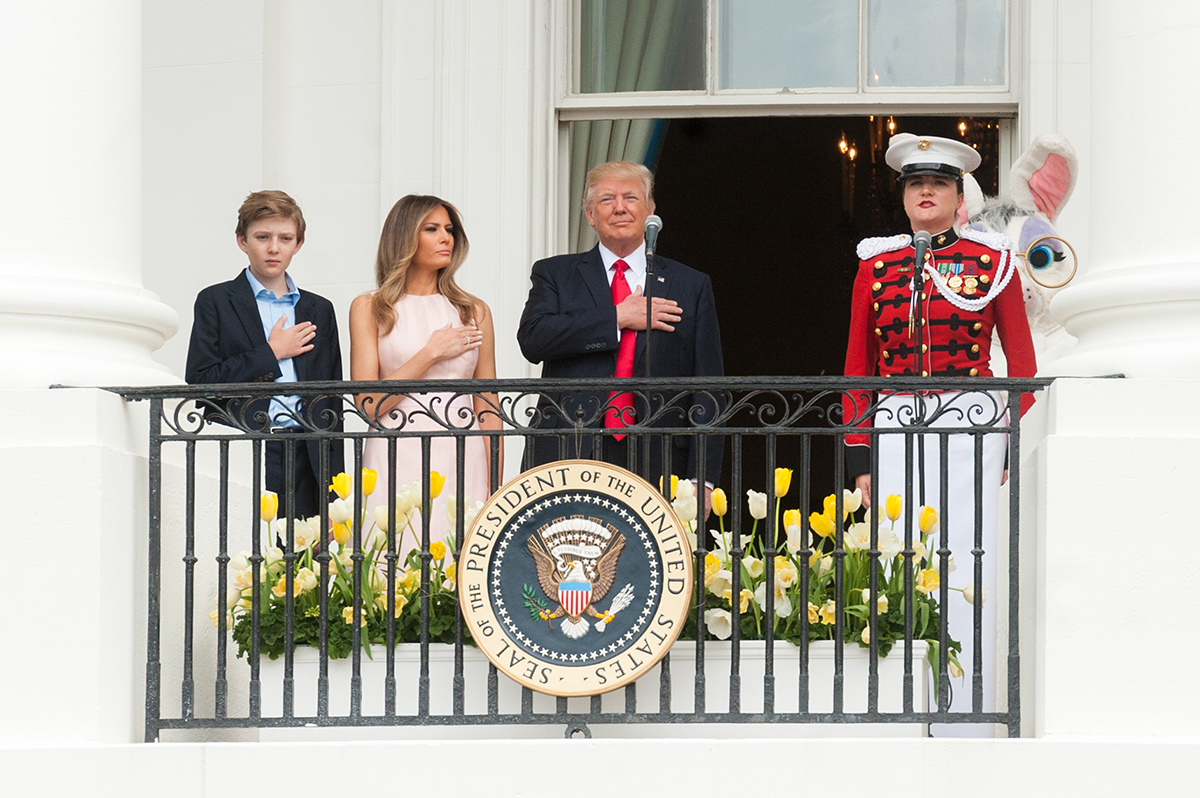
In a recent development surrounding the Trump campaign, there have been allegations regarding security measures at events involving the former President’s family. Specifically, concerns were raised when it was reported that the Secret Service initially denied requests for metal detectors at Barron Trump’s high school graduation ceremony. This event, attended by Donald Trump and First Lady Melania Trump, was considered by some to be a potential security risk due to its high-profile attendees.
According to reports from The New York Times, the denial of these security measures was based on the event not being classified as political, despite the presence of key political figures. This decision drew criticism, as the absence of adequate security measures at Trump family events has been a recurring issue. Critics argue that such lapses could pose serious safety risks, including the possibility of a security threat like an armed assailant.
The Trump campaign and their supporters have highlighted these incidents as examples of what they perceive as inadequate protection from the Secret Service. They argue that such shortcomings could jeopardize the safety of not only the Trump family but also attendees and supporters at campaign rallies and events.
An incident at a rally in South Bronx underscored these concerns, where limited metal detectors reportedly led to delays and long lines for attendees. This incident, occurring in a historically Democrat-controlled area, raised questions about the adequacy of security provisions in regions less supportive of the former President.
Moreover, there have been alarming reports of security breaches, such as an attempted assassination at a rally in Butler, Pennsylvania. During this incident, despite Secret Service presence, shots were fired at the former President, resulting in casualties among rally attendees. This event highlighted the challenges faced by the Secret Service in ensuring the safety of high-profile political figures amidst potentially hostile environments.
In response to allegations of inadequate security, Secret Service spokesperson Anthony Guglielmi emphasized that alternative security measures were implemented when specialized units were unavailable. This included collaboration with local law enforcement agencies to bolster security arrangements and minimize risks to protected individuals.
Critics, including former Homeland Security Secretary Alejandro Mayorkas, have vehemently denied allegations of deliberate negligence in security provision. They argue that such claims are unfounded and reflect a misunderstanding of the complex logistics involved in ensuring the safety of public figures.
As these incidents continue to unfold, they underscore broader debates about the balance between accessibility and security at public events involving political figures. The Trump campaign’s experiences have fueled ongoing discussions about the effectiveness of current security protocols and the need for robust measures to mitigate potential risks in diverse and politically charged settings.