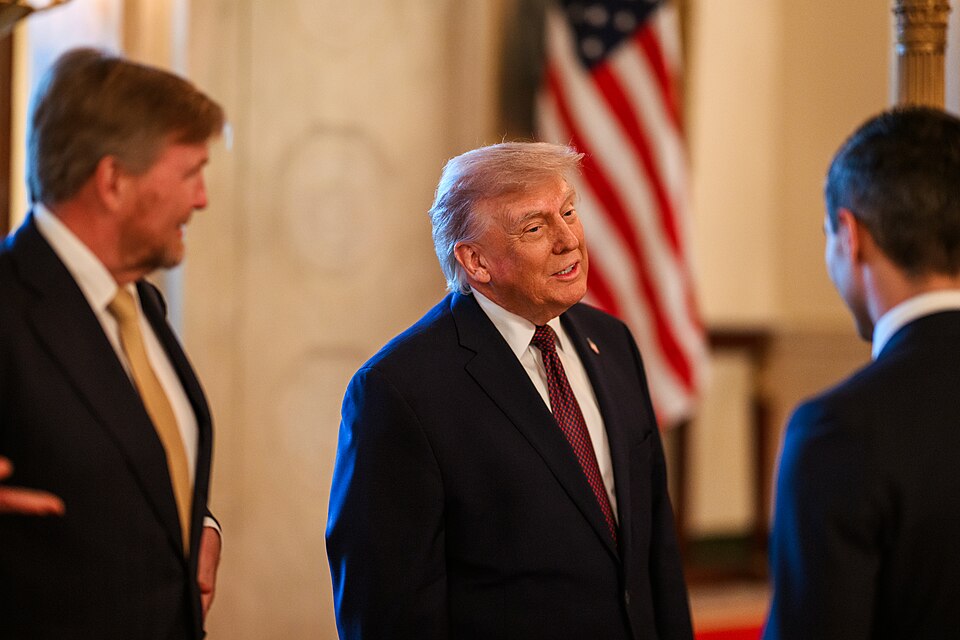
Are blue collar voters turning on Trump?
For nearly a decade, working-class Americans have been one of President Donald Trump’s most reliable sources of support. But new polling data suggests cracks may be forming in that foundation as economic concerns continue to dominate the national conversation.
With inflation remaining a major issue and many families struggling with the rising cost of everyday necessities, some blue-collar voters appear to be growing frustrated with the state of the economy.
New Polls Reveal Warning Signs
A review of several recent national surveys shows Trump’s economic approval ratings slipping among white voters without college degrees, a voting bloc that has been central to Republican victories for years.
Political analysts say the shift could have major implications as Republicans prepare for the 2026 midterm elections.
According to recent polling, Trump’s overall approval ratings vary widely depending on the survey, ranging from the low 30s to the upper 40s. However, one trend appears consistent across multiple polls: economic concerns are weighing heavily on voters.
Many Americans continue to cite inflation, grocery prices, housing costs, and energy bills as their top concerns.
Rising Prices Continue To Frustrate Voters
Although economic indicators have improved in some areas, many households say they are still feeling financial pressure.
The cost of groceries remains significantly higher than it was just a few years ago. Energy prices have also become a growing concern as instability in the Middle East raises fears about future fuel costs.
For retirees and working families living on fixed budgets, every increase at the gas station or grocery store can have a noticeable impact.
That’s why economic confidence remains one of the most important factors heading into the next election cycle.
Republicans Face A Critical Test
Republican strategists acknowledge that maintaining strong support among working-class voters will be essential if the GOP hopes to keep control of Congress.
These voters helped fuel Trump’s rise to the White House and have remained a key part of the Republican coalition through multiple election cycles.
Some Republican insiders warn that if economic frustrations continue to grow, Democrats could gain an opening in competitive congressional districts.
Others argue that voters may ultimately judge candidates based on whether they believe economic conditions are improving by Election Day.
The Stakes Could Not Be Higher
The battle for control of Congress may ultimately come down to a simple question: Do working-class Americans believe they are better off financially than they were before?
For millions of voters, concerns about inflation, the cost of living, retirement savings, and household budgets are likely to outweigh nearly every other political issue.
That reality makes blue-collar voters one of the most important groups to watch as the 2026 midterms draw closer.
If Republicans can rebuild confidence on economic issues, they could maintain their advantage with working-class Americans. If not, the political landscape could look very different by Election Day.
One thing is certain: the economy remains the issue that matters most to many voters, and both parties know the road to victory may run straight through America’s blue-collar communities.