Trump Orders Surprising Evacuation
The United States abruptly pulled its fleet of B-1 bombers out of a major British air base over the weekend after military commanders received increasingly serious warnings about a possible Iran-linked threat to the installation.
All 12 B-1 Lancer bombers stationed at RAF Fairford in England were ordered back to the United States in a rapid redeployment that underscored growing security concerns surrounding American forces overseas.
According to U.S. officials, the situation developed with unusual urgency. Some bombers reportedly began their flights home while aerial refueling aircraft were still being prepared to support the long journey across the Atlantic.
By Sunday, at least three of the aircraft had already arrived at their home station in South Dakota.
Pentagon Confirms Bombers Have Left Britain
U.S. European Command confirmed that the bombers stationed at RAF Fairford were returning to their permanent bases in the United States.
Military officials did not publicly confirm that a specific security threat triggered the withdrawal, instead emphasizing that American bomber forces routinely move around the world based on readiness and operational requirements.
Still, the timing has attracted considerable attention.
U.S. officials reportedly said the latest intelligence was connected to security warnings that first surfaced several weeks earlier. Within the previous 24 hours, however, new information reportedly increased commanders’ concerns and added a greater sense of urgency.
The decision to move an entire group of strategic bombers so quickly from a close NATO ally highlights the seriousness with which military leaders are treating possible threats against American personnel and equipment.
Suspected Plot Under Investigation
The withdrawal comes as British authorities continue investigating a suspected terrorist plot involving RAF Fairford, a strategically important base roughly 80 to 100 miles west of London.
Six people have been arrested as part of the investigation and later released on bail while authorities continue their work.
Among those detained was a dual British-Iranian national arrested in London.
British authorities have said they are examining the possibility of foreign involvement, including a potential connection to Iran. Tehran has denied responsibility.
No final determination has been publicly announced, making the investigation particularly important as tensions between Washington and Tehran remain high.
For Americans concerned about national security, the episode is another reminder that U.S. military facilities abroad can become potential targets during periods of international conflict.
RAF Fairford Has Been Key to U.S. Military Operations
RAF Fairford has played an important role in American air operations involving Iran.
The base has hosted powerful B-1 and B-52 strategic bombers, giving the United States another location from which it can position long-range aircraft closer to the Middle East.
Aviation observers have tracked numerous American bomber missions and deployments through the British installation since the conflict with Iran intensified.
That strategic importance also makes protecting the base a major priority.
The B-1 Lancer is capable of carrying a large conventional weapons payload and conducting long-range missions. While relocating the aircraft removes them from RAF Fairford, U.S. officials stressed that America’s bomber force can still conduct global missions from bases inside the United States.
In other words, bringing the aircraft home does not mean Washington is abandoning its ability to respond militarily.
Trump Weighs Next Move Against Iran
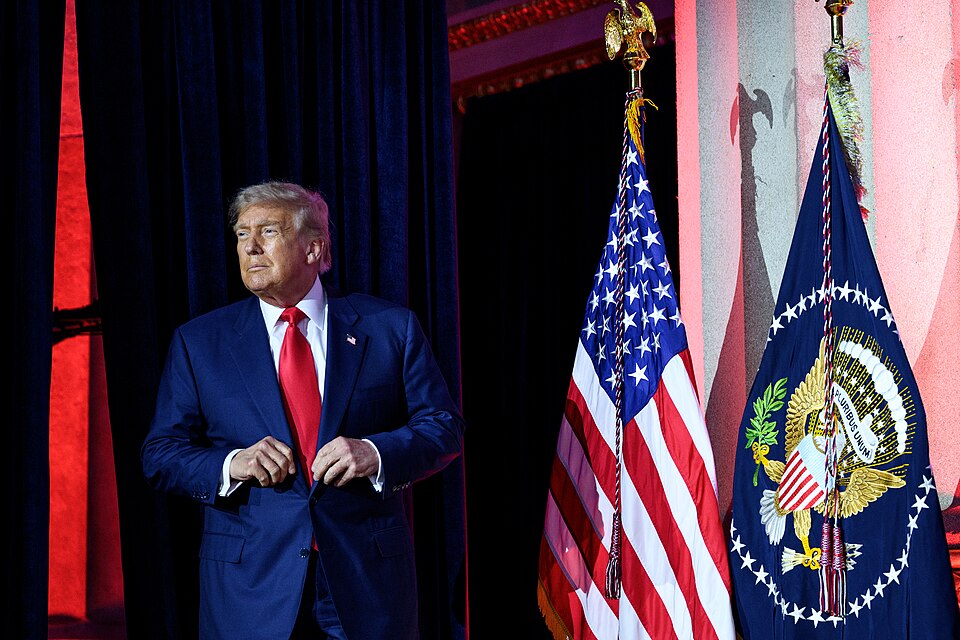
The sudden withdrawal comes at a critical moment as President Donald Trump considers America’s next steps toward Iran.
Speaking to reporters Saturday before leaving the White House for a rally in Ohio, Trump made clear that additional action remains on the table.
The president said Iran had already been severely weakened and suggested Tehran now faces a choice over how the confrontation proceeds.
Trump’s comments reflect the administration’s continued effort to apply pressure while maintaining military options should diplomacy fail or additional threats against American interests emerge.
For the White House, the challenge is significant: protect American troops and military assets while maintaining enough force in the region to deter further aggression.
U.S. Sends More Naval Power Toward Middle East
Even as the bombers leave Britain, the Pentagon is strengthening America’s military presence closer to the Middle East.
The USS Theodore Roosevelt aircraft carrier and its strike group are moving toward the region, along with the USS Makin Island amphibious readiness group.
Together, the deployments involve thousands of U.S. sailors and Marines.
If current deployments proceed as planned, the United States could have three aircraft carriers positioned in or near the region by the end of October.
That would give President Trump considerable military flexibility as his administration evaluates Iran’s actions and determines whether further strikes are necessary.
The buildup also sends a message that withdrawing bombers from one potentially threatened European installation should not necessarily be interpreted as an American retreat.
Instead, Washington appears to be repositioning its forces while protecting valuable aircraft and personnel from a threat that military officials are taking seriously.
Security Concerns Enter a New Phase
The events at RAF Fairford raise broader questions about how Iran or Iran-aligned groups could attempt to pressure the United States outside the traditional Middle Eastern battlefield.
American military installations in Europe have generally operated far from direct combat zones. A credible threat against a facility in Britain would therefore represent a troubling expansion of the security challenges facing Washington and its allies.
The investigation is still developing, and authorities have not publicly released evidence establishing exactly who was responsible for the suspected plot.
But the swift decision to remove 12 B-1 bombers demonstrates that U.S. commanders were unwilling to gamble with the safety of American airmen or some of the nation’s most important military aircraft.
As President Trump weighs his next move, Americans will be watching closely to see whether the administration chooses diplomacy, additional military action, or a combination of both.
One thing is already clear: with additional U.S. warships moving toward the Middle East and strategic bombers being repositioned for security reasons, the confrontation with Iran remains one of the most serious national security challenges facing the United States.